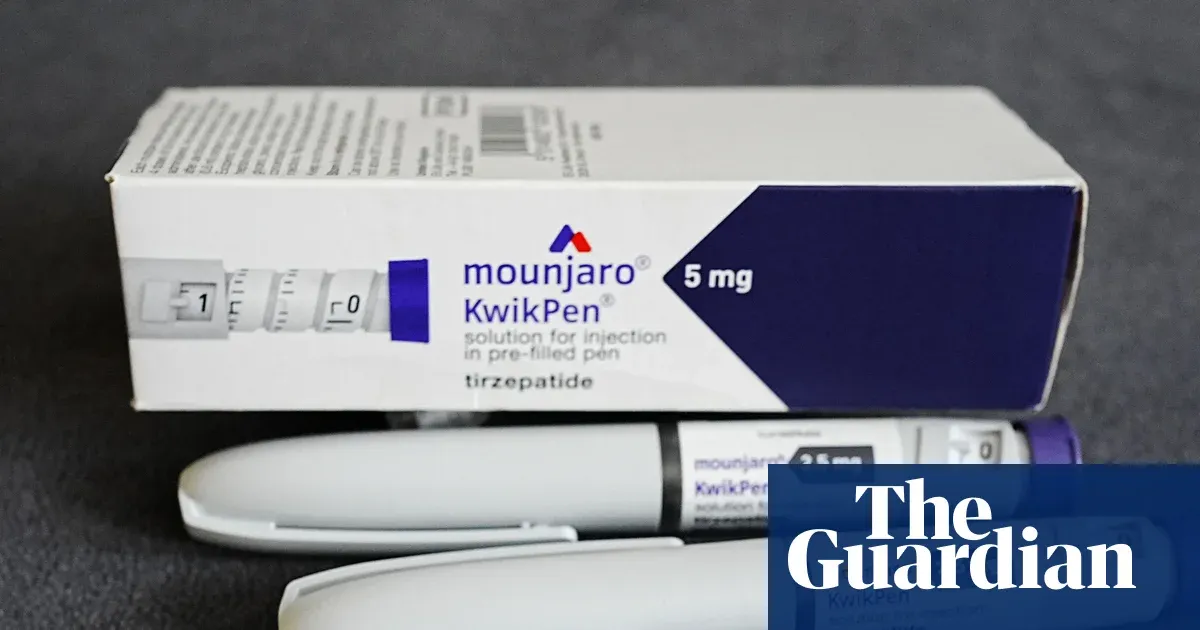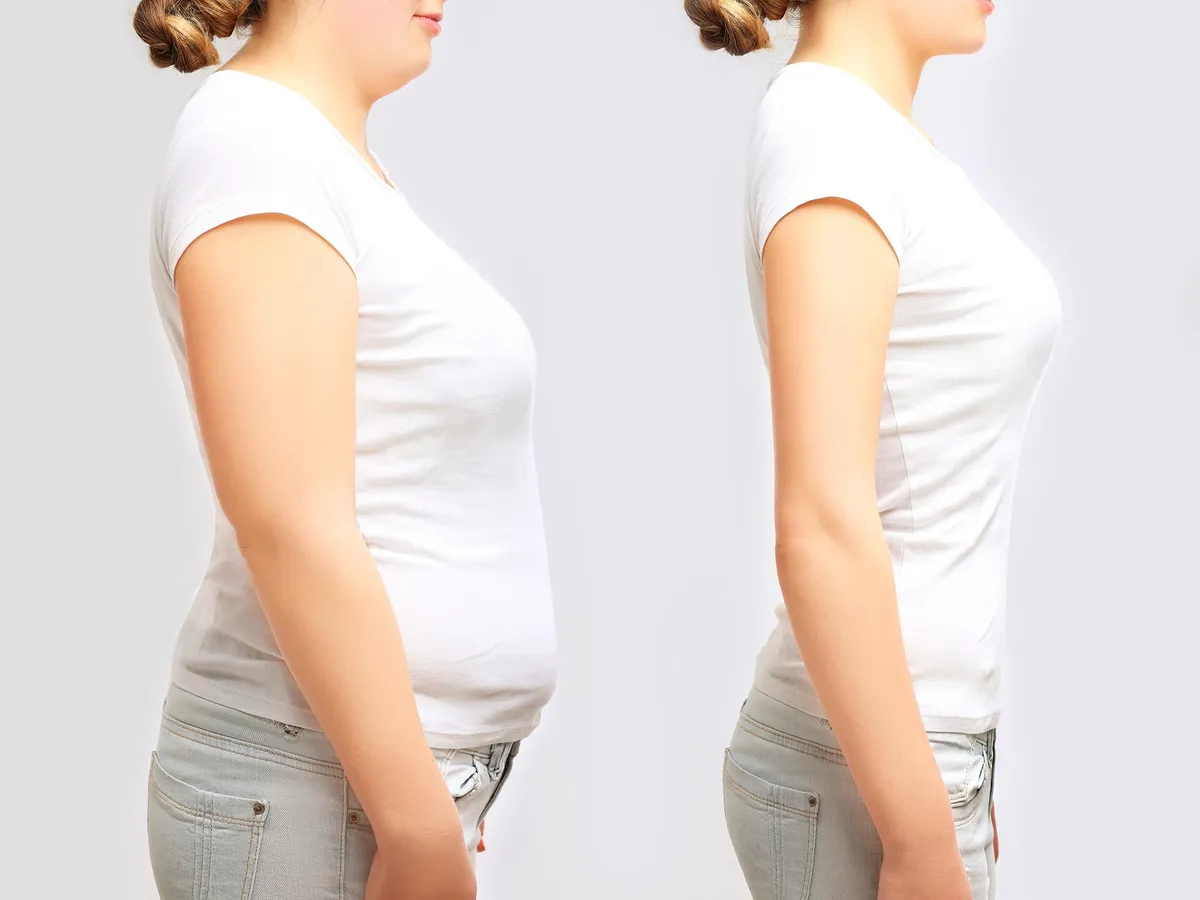
Menopause doesn't just bring hot flashes and sleepless nights—it rewires how your body handles weight. Estrogen drops, metabolism shifts, and pounds accumulate in ways that feel almost inevitable. Now a Mayo Clinic study suggests a potential fix: combining hormone therapy with tirzepatide, a popular weight-loss medication, may amplify results by roughly 35%.
The research, published in The Lancet Obstetrics, Gynaecology, & Women's Health, analyzed 120 postmenopausal women with overweight or obesity who took tirzepatide for at least 12 months. Those also using hormone therapy lost significantly more weight than those on the medication alone. The finding matters because menopause-related weight gain isn't just cosmetic—it accelerates risk for heart disease, type 2 diabetes, and other conditions that estrogen once helped keep in check.
"This study provides important insights for developing more effective and personalized strategies for managing cardiometabolic risk in postmenopausal women," said Regina Castaneda, M.D., the study's lead researcher at Mayo Clinic.
We're a new kind of news feed.
Regular news is designed to drain you. We're a non-profit built to restore you. Every story we publish is scored for impact, progress, and hope.
Start Your News DetoxWhy This Interaction Might Work
For years, scientists have known that hormone therapy is the most effective treatment for common menopausal symptoms like hot flashes and night sweats—affecting up to 75% of postmenopausal women. But how it interacts with weight-loss drugs remained largely unexplored. Earlier studies hinted that hormone therapy might enhance results with semaglutide, another GLP-1 medication, but tirzepatide hadn't been tested in this combination until now.
The mechanism appears biological, not just behavioral. Laboratory evidence suggests estrogen enhances the appetite-suppressing effects of GLP-1 drugs, which could explain why the two work better together. But here's the honest part: this was an observational study, not a randomized trial. That means researchers can't definitively say hormone therapy caused the extra weight loss. Women using hormone therapy might have slept better (symptom relief helps), exercised more consistently, or already been more health-conscious. Those factors matter.
"It is possible that women using hormone therapy were already engaged in healthier behaviors, or that menopause symptom relief improved sleep and quality of life, making it easier to stay engaged with dietary and physical activity changes," acknowledged Maria Daniela Hurtado Andrade, M.D., Ph.D., the study's senior author.
But a 35% difference is substantial enough to warrant serious investigation. The team is now planning a randomized clinical trial to confirm whether hormone therapy truly amplifies tirzepatide's effects, and whether the benefits extend beyond weight loss to improvements in blood pressure, cholesterol, and other cardiometabolic markers.
If confirmed, this could reshape how doctors approach postmenopausal weight management—moving from a one-size-fits-all approach to personalized combinations that account for hormonal biology. For the millions of women navigating this life stage, that distinction could mean the difference between struggling against their own biology and working with it.