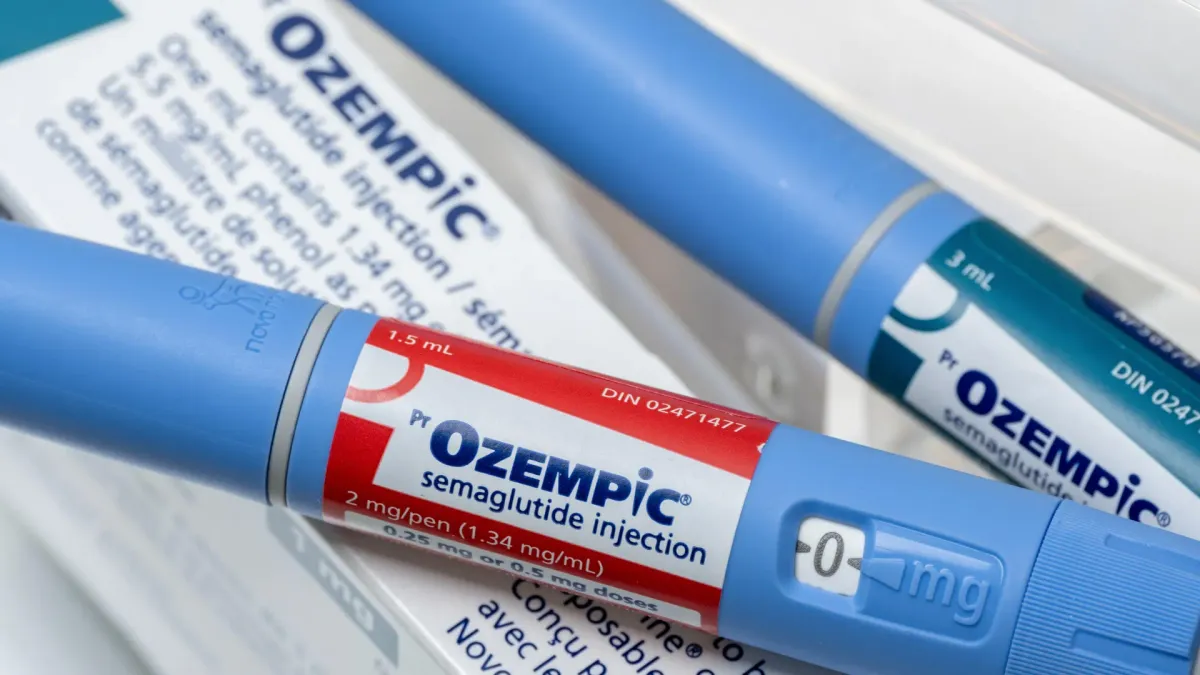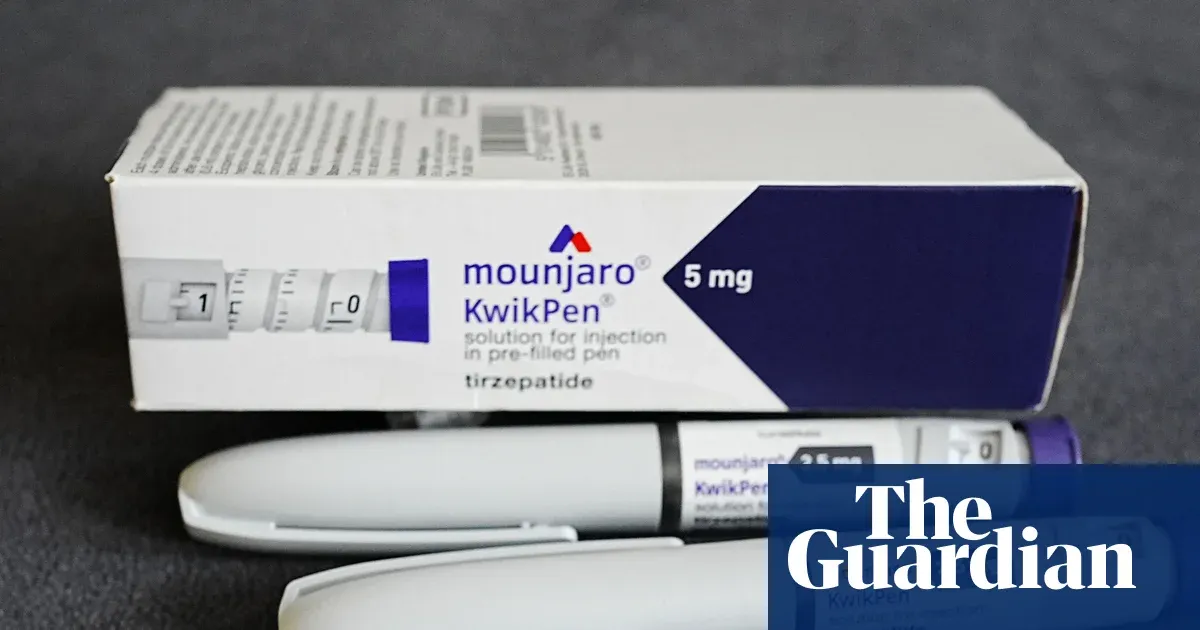
A study of over 600,000 US veterans suggests that GLP-1 drugs — the same medications used for weight loss and type 2 diabetes — could help protect people from developing addictions to alcohol, tobacco, and drugs like cocaine and cannabis. For people already struggling with substance use, the drugs appeared to cut overdose risk by 39% and death risk by 50%.
The finding, published in the British Medical Journal, centers on how these medications work. GLP-1 receptor agonists like Ozempic and Mounjaro mimic a natural hormone released after eating, helping people feel fuller. But they may also influence the brain's reward pathways — the same circuits that drive addiction cravings. When those pathways are quieted, the pull toward addictive substances weakens.
The research tracked veterans over three years, comparing those taking GLP-1s with those on other diabetes medications. The results were consistent across multiple substances: 18% lower risk of alcohol-related disorders, 14% lower for cannabis, 20% lower for cocaine and nicotine, and 25% lower for opioids. For people already using, the protective effect was even sharper — emergency department visits dropped by 31%.
We're a new kind of news feed.
Regular news is designed to drain you. We're a non-profit built to restore you. Every story we publish is scored for impact, progress, and hope.
Start Your News DetoxThis matters because addiction and obesity often coexist, and they share some underlying biology. A person struggling with both conditions has been treated as two separate problems. This research hints that a single medication might address both at once.
The Caution and the Bigger Picture
Experts are careful not to overstate the finding. Prof Claire Anderson, president of the Royal Pharmaceutical Society, noted this was an observational study — it shows a pattern, not proof of cause and effect. "Further research, including clinical trials, will be needed," she said. The study doesn't prove GLP-1s prevent or treat addiction, only that people taking them showed lower rates.
There's another complication: most people who stop taking GLP-1s regain the weight. A separate analysis of 48 studies found that within a year of stopping, people regain about 60% of lost weight, eventually recovering 75% of it. About half of users quit within a year, often due to nausea or cost. This suggests that any addiction-prevention benefit would likely require ongoing medication — which raises questions about long-term feasibility and access.
There's also a social cost. Two-thirds of GLP-1 users hide the fact from friends and family, fearing judgment. Thirty-eight percent report being criticized for it, with most accused of taking "the easy way out." This stigma may limit how openly people discuss the drugs' potential benefits for addiction, even as the evidence accumulates.
The real story here isn't that a weight loss drug solves addiction — it's that our bodies' reward systems are more interconnected than we once thought. Obesity and substance use disorder aren't separate moral failures or character flaws. They're conditions that may share biological roots, and treating one pathway might ease both. That reframing, if it holds up in further research, could change how we think about recovery and health.