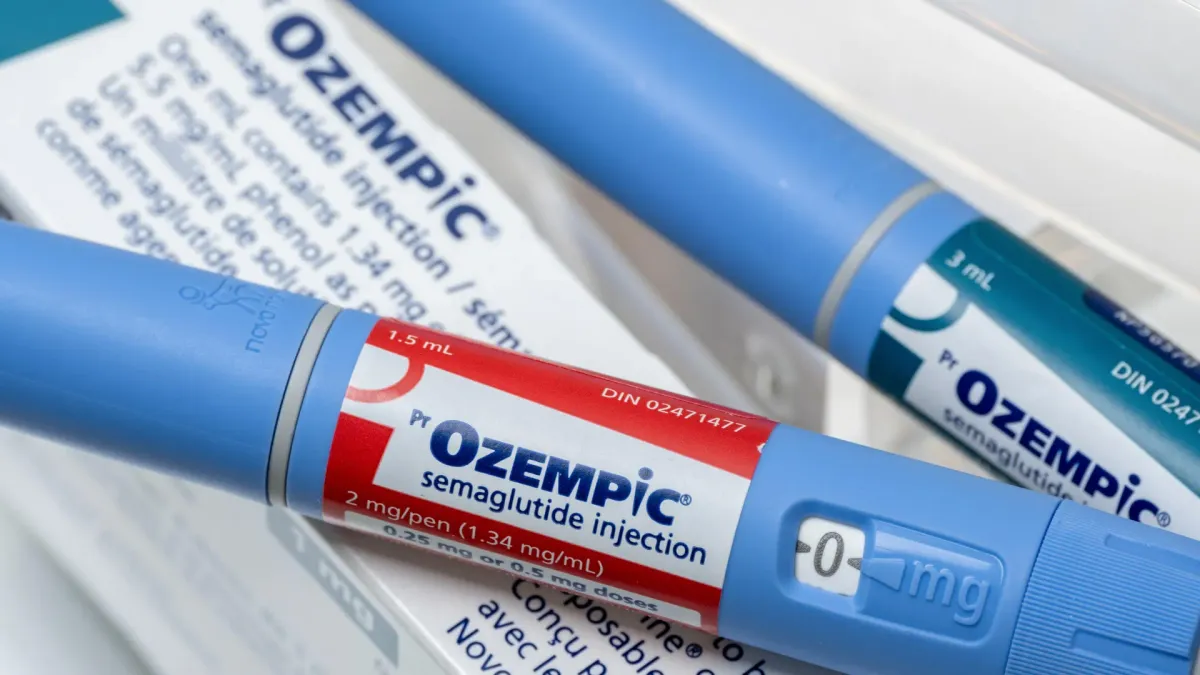
A drug class already familiar to millions for managing weight and diabetes might offer something unexpected: a way to prevent further damage after a heart attack. New research from the University of Bristol and University College London found that GLP-1 medications like Ozempic and Wegovy could reduce serious complications that affect up to half of all heart attack survivors.
The mechanism is surprisingly elegant. When a heart attack cuts off blood supply to the heart muscle, tiny cells lining the smallest blood vessels tighten in response — a protective reflex that backfires. These constricted vessels trap blood flow, leaving parts of the heart starved of oxygen even after doctors have cleared the main blockage. This phenomenon, called "no-reflow," is a major driver of long-term heart damage and the reason some patients develop heart failure within a year of their heart attack.
GLP-1 drugs appear to counteract this tightening. In animal studies, the medications activated potassium channels that relaxed these constricting cells, allowing blood vessels to widen and restore circulation to oxygen-starved tissue. The effect was measurable and significant — blood flow improved after the heart attack, meaning less tissue death and a better chance of recovery.
We're a new kind of news feed.
Regular news is designed to drain you. We're a non-profit built to restore you. Every story we publish is scored for impact, progress, and hope.
Start Your News DetoxWhat makes this finding particularly striking is that the heart protection seems to work independently of weight loss. Earlier research had already shown GLP-1 drugs reduce the risk of major heart problems, but researchers weren't sure whether this benefit came from patients shedding pounds or from something the drugs did directly to heart tissue. This study suggests the drugs themselves are doing the protecting, regardless of how much weight someone loses or their existing health conditions.
The implications are substantial. GLP-1 drugs are already prescribed to millions of people worldwide for type 2 diabetes, obesity, and kidney disease. If these findings hold in human trials, doctors might have a ready-made tool to deploy immediately after a heart attack — a medication already proven safe in millions of patients. Rather than waiting for an entirely new drug to be developed and tested, the path to treatment could be far shorter.
The next step is clinical trials in humans to confirm what's been observed in animal models. But researchers involved are cautiously confident. As Dr. Svetlana Mastitskaya of Bristol Medical School noted, with these drugs already embedded in clinical practice, the potential for repurposing them to prevent no-reflow represents a genuinely life-saving opportunity — one that might already be sitting in pharmacy shelves.