In a world where many people can barely remember to water their plants, imagine taking on the responsibility for thousands of strangers. Not just any strangers, but those who've passed away without a soul to claim them. In India, it's a grim reality for thousands each year: nameless individuals found in public spaces, their stories ending quietly, often unnoticed.
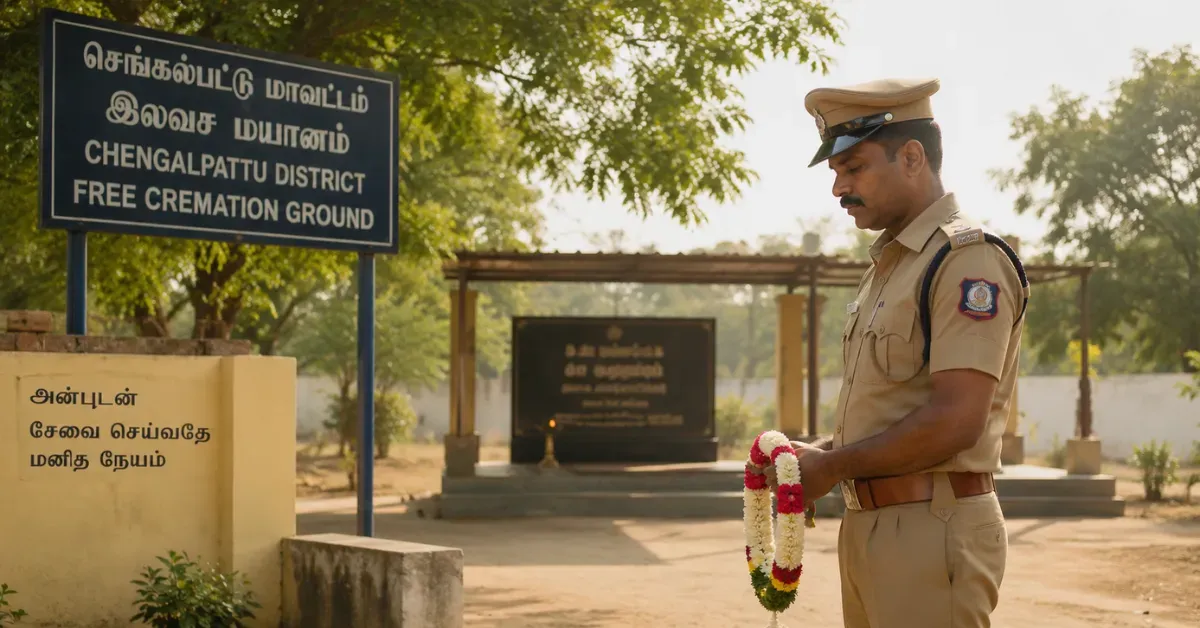
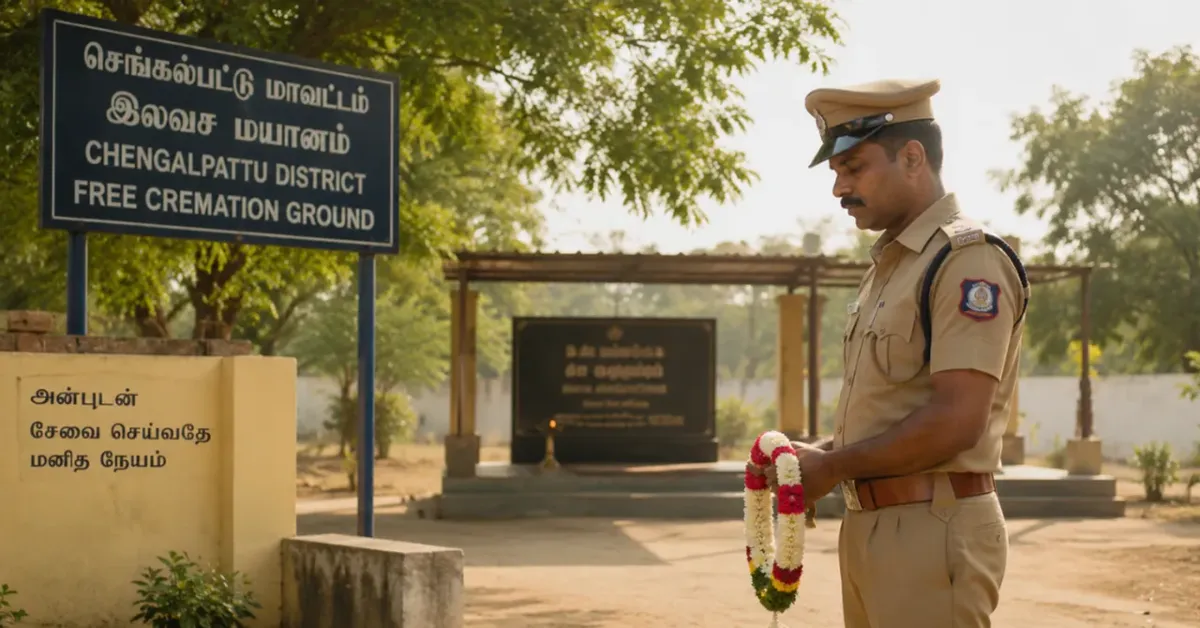
Enter P Karthik, a police constable in Chengalpattu, Tamil Nadu. For the past three years, Karthik has made it his personal mission to ensure these unclaimed bodies receive a proper, dignified farewell. He performs their last rites, stepping in as the only family they have in that final moment. "I see them as my own," Karthik states, cutting straight to the heart of it. "Everyone deserves a respectful farewell."
The Unseen Task
Karthik's quiet crusade began with an elderly woman. She was found outside a church, a familiar face from the local begging circuit. No one came forward. For three months, Karthik tried to trace her relatives. When all leads went cold, he performed her last rites himself. "That moment stayed with me," he recalls. It cemented his belief: no matter how forgotten in life, everyone deserves dignity in death.
We're a new kind of news feed.
Regular news is designed to drain you. We're a non-profit built to restore you. Every story we publish is scored for impact, progress, and hope.
Start Your News DetoxAnd the scale of that need is staggering. Tamil Nadu alone reported over 5,000 unidentified bodies in a single year. In Delhi, between 2018 and 2021, an average of five to eight unidentified bodies were found daily. Most are migrants, homeless individuals, accident victims, or the elderly who simply outlived everyone they knew. The law dictates that police dispose of unclaimed bodies after 72 hours, a process often handled with bureaucratic speed rather than personal care. Karthik, however, sees a person, not a file.
Beyond his official hours, Karthik continues his vigil. He circulates photos of the deceased among other police stations, sifts through missing persons records, and chases down every possible lead to identify them. If all efforts fail and no family is found, he steps in. He ensures the body is garlanded, proper rituals are performed, and that at least one person is there to witness their passing. To ensure they are not entirely forgotten.
He's not entirely alone in this extraordinary compassion. Constable M Amina in Mettupalayam has facilitated the cremation of over 100 unclaimed bodies in five years, often sharing costs with colleagues. It's a quiet, deeply human tradition thriving within the system.
Karthik wears his uniform as a symbol of responsibility to those who have no power left. The Supreme Court of India has affirmed that the right to dignity extends even to the deceased, meaning the state must ensure respectful burial or cremation for everyone, including the unclaimed. Karthik lives this principle, funeral by funeral, for strangers who become, for a moment, family. He doesn't seek recognition, only that the forgotten leave the world with the dignity they deserved, and with someone who cares.