In the early 1600s, Luxembourg City was having a truly terrible run. War, famine, plague, religious scraps — you name it, they were probably dealing with it. So, as one does, a local Jesuit priest decided to put a statue of the Virgin and Child outside the city walls in 1624, hoping for a bit of divine intervention. It sat on the glacis, the sloping defense area, and became known as 'Notre-Dame du Glacis.'
A proper chapel was built for her, and then, in 1639, a "Book of Miracles" dropped, detailing all the answered prayers. Suddenly, this statue was the hottest ticket in town. So hot, in fact, that pilgrims started showing up in droves, prompting the annual 'Octave' celebrations — essentially, a two-week party that still happens today. She was named 'Our Lady, Consoler of the Afflicted,' then became the patron saint of the city, and eventually, the entire Duchy of Luxembourg.
Turns out, being a patron saint doesn't make you immune to French revolutionaries. When French troops rolled into Luxembourg in 1794, the statue was whisked away for safety. The chapel? Not so lucky. It was flattened two years later, never to see its beloved statue again. The statue, however, went on to become a national symbol, especially after World War II, when Luxembourg needed all the consoling it could get.
We're a new kind of news feed.
Regular news is designed to drain you. We're a non-profit built to restore you. Every story we publish is scored for impact, progress, and hope.
Start Your News DetoxFast forward to 1885, and a new chapel popped up on Glacis square, a bit south of the original site. The Octave tradition shifted, with the statue making an annual pilgrimage from the cathedral to this new chapel. Because apparently, even centuries-old traditions need a bit of a refresh.
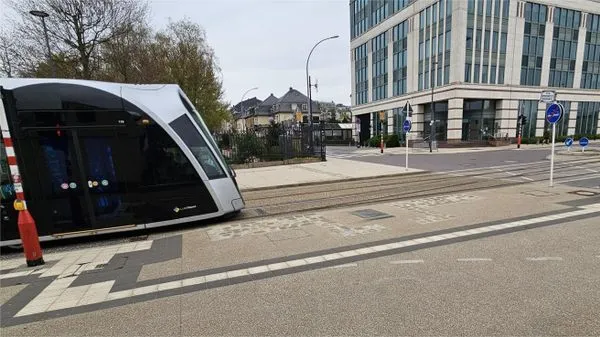
Then, in 2016, something unexpected happened. Construction crews, busy laying down tracks for a new tram line, stumbled upon something old. Very old. It was the ruins of the original 17th-century chapel, right where the tram line was supposed to go. Talk about a historical speed bump.
After some archaeological scrambling, the ruins were carefully protected and then, with a touch of modern irony, buried beneath the very tramway that unearthed them. Today, if you walk through Luxembourg City, you can spot the chapel's outline marked on the ground with paving stones, a metal plaque telling its tale. Most people probably stride right over it without a second glance. But for Luxembourg, it was a moment — a quiet reminder that even when things vanish, they have a funny way of reappearing, often right underfoot.