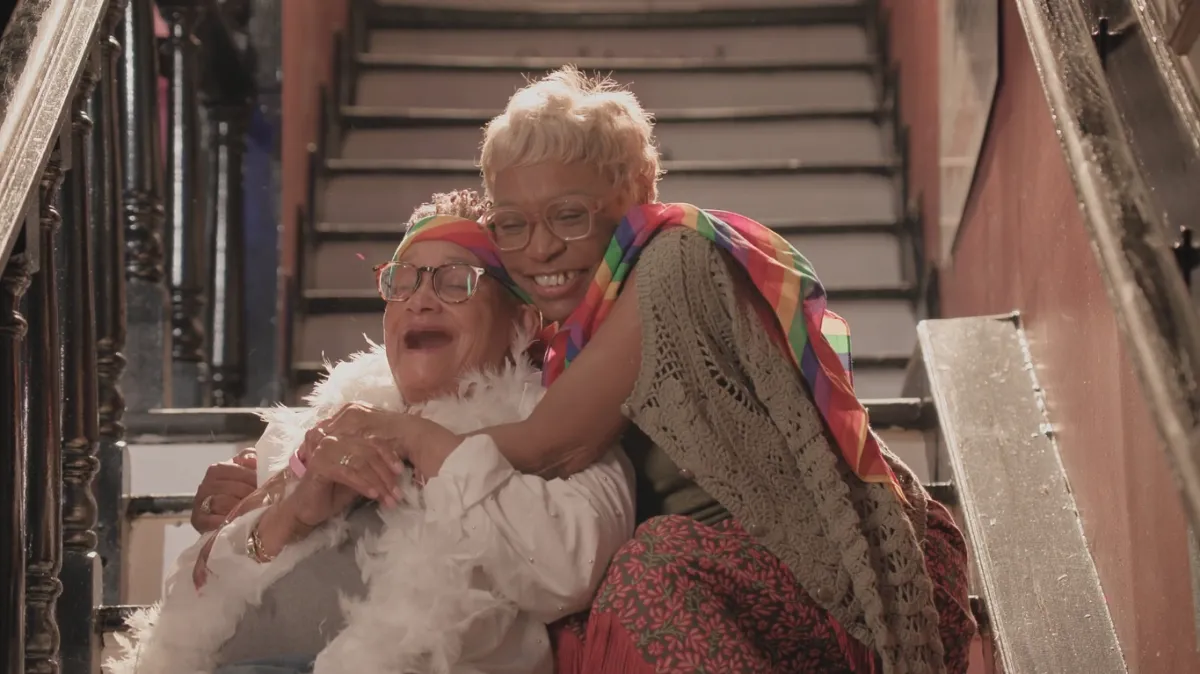
When sisters Dorriene and Jo Diggs reunite in the final season of Queer Eye, they're barely speaking. Dorriene lost her partner Diane in 2020, and now lives with Jo and her family in a household thick with tension and unspoken hurt. The bickering feels permanent—the kind of distance that settles in when grief meets unresolved pain.
Then the Fab Five arrive, and what unfolds over the episode is less makeover and more masterclass in how actual reconciliation works. Because here's what matters: the team doesn't rely on feel-good vibes or forced togetherness. Instead, they follow four research-backed practices that actually shift how people relate to each other.
Start with something they both want
Anton Porowski notices that despite their disagreements, Jo and Dorriene share one thing: a memory of their mother's pineapple upside-down cake. He doesn't lecture them about communication. He invites them to bake it together.
We're a new kind of news feed.
Regular news is designed to drain you. We're a non-profit built to restore you. Every story we publish is scored for impact, progress, and hope.
Start Your News DetoxWhile they work side-by-side, something shifts. The sisters start talking about childhood, laughing at shared memories. Porowski knows this isn't one-off magic—he tells them rebuilding trust takes time and repeated attempts. Before he leaves, they commit to baking a quiche together next. The point isn't the cake. It's that common ground, however small, gives you a place to stand.
Let people tell their own story
Karamo Brown brings Dorriene to the D.C. History Center to record her oral history as a member of the LGBTQ+ community. She talks about growing up gay, about family rejection, about finding love with Diane. The curator and Karamo don't interrupt or redirect. They listen—really listen—and affirm what she's saying.
That matters more than it sounds. When someone feels truly heard, especially about painful parts of their life, something in them opens. Jo watches her sister speak with that kind of vulnerability and something shifts in her too. Empathy isn't abstract; it's what happens when you actually witness someone else's truth without rushing to fix it or defend yourself.
Address the power in the room
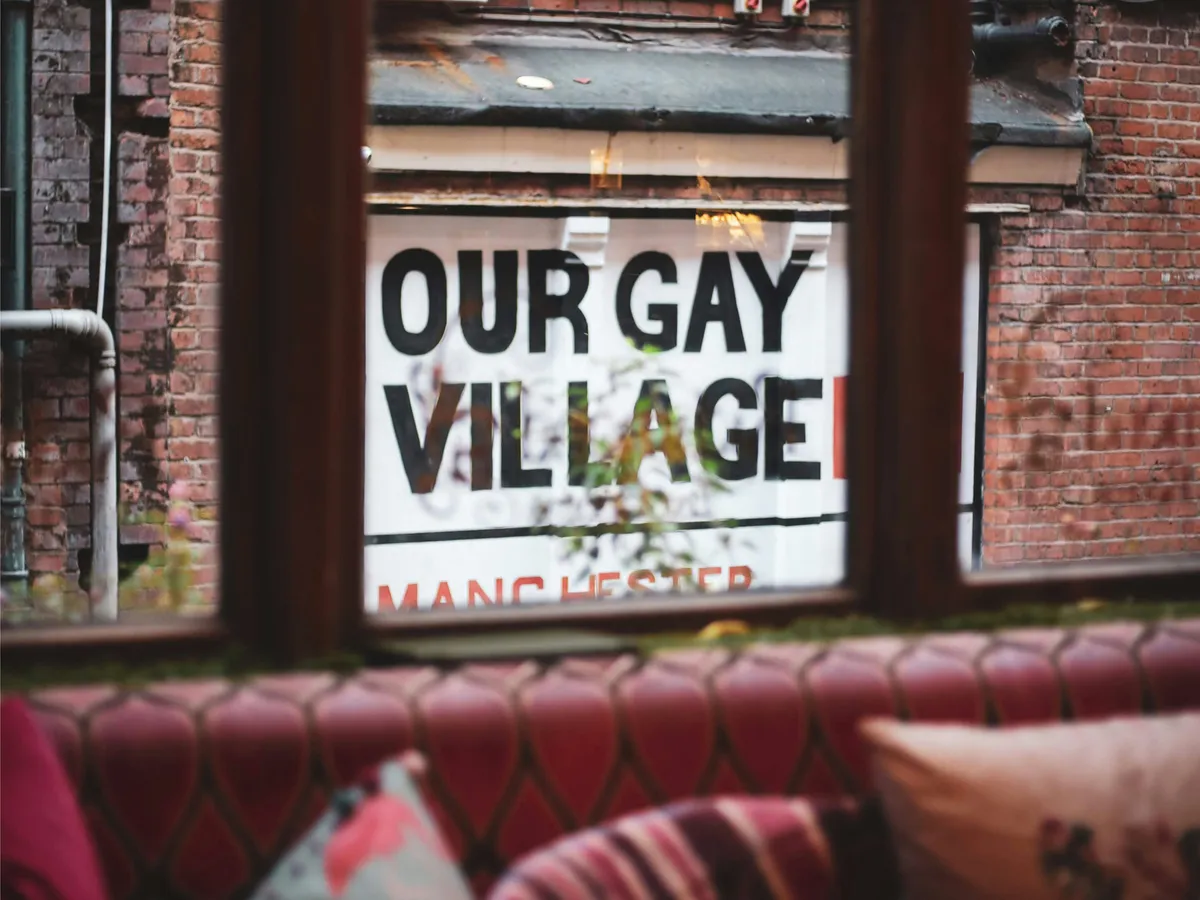
For the final gathering, the team chooses a gay bar with a drag show. This isn't random. They're creating a space where Dorriene—who spent decades in a world that marginalized her—gets to be in the center, celebrated. Jo experiences what it's like to be in Dorriene's world, where her sister belongs fully.
Bridging differences isn't just about two people understanding each other better. It's about recognizing that some people have been pushed to the margins and what it takes to actually shift that. The team understands that reconciliation has to account for the structural inequities that shaped the conflict in the first place.
By the end of the episode, Jo and Dorriene aren't suddenly best friends. But they're talking. They're planning to cook together. They're seeing each other as people with their own stories, their own pain, their own right to be fully themselves. That's not small. That's the actual work of bridging divides—not erasing difference, but making space for it.