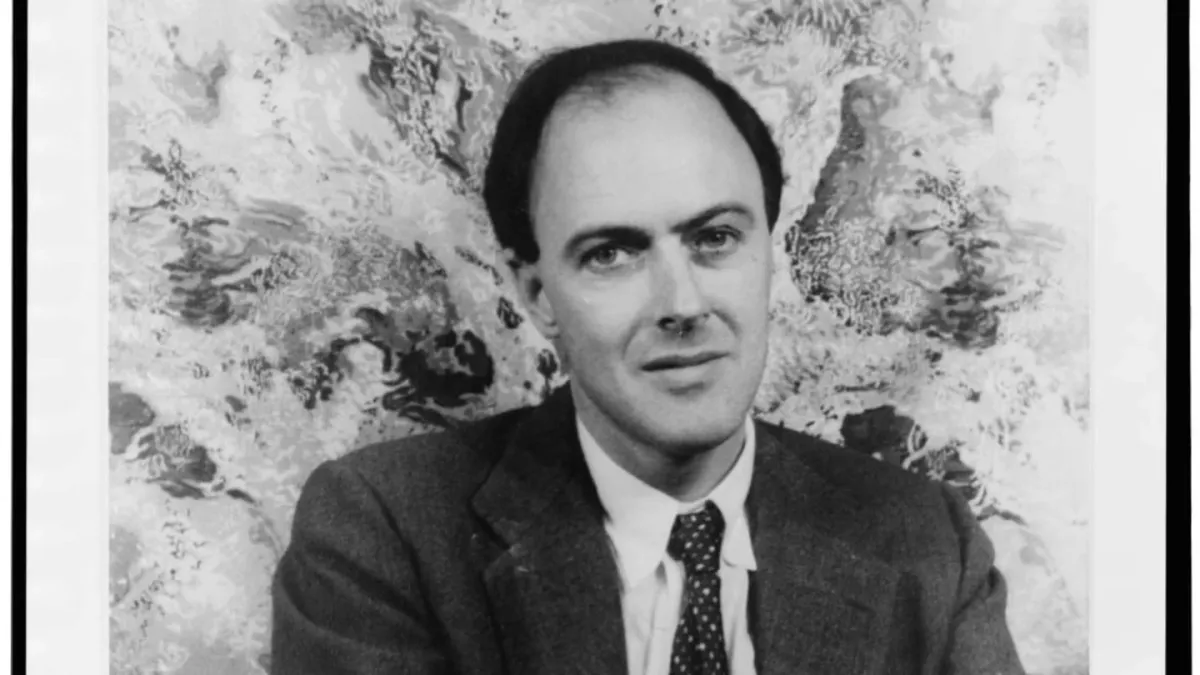
In 1962, Roald Dahl's seven-year-old daughter Olivia died of measles. The infection triggered encephalitis—brain swelling—and she was gone in twelve hours. Dahl wrote later that he "almost went crazy" with grief.
Twenty-four years later, with a vaccine finally available, he sat down and wrote a letter that would reach thousands of parents who had never heard his name whispered in a hospital corridor.
The Letter That Changed Minds
By the 1980s, the UK had introduced the MMR vaccine—protection against measles, mumps, and rubella. But uptake was patchy. Parents worried about side effects. They'd heard stories. They wanted to be careful. Dahl understood caution. He also understood what measles actually does.
We're a new kind of news feed.
Regular news is designed to drain you. We're a non-profit built to restore you. Every story we publish is scored for impact, progress, and hope.
Start Your News DetoxHe wrote for the Sandwell Health Authority with the specificity of someone who had lived through the worst version of the story. He described Olivia's final hours with unflinching detail. "In an hour, she was unconscious," he wrote. "In twelve hours she was dead." He didn't soften it. He didn't need to.
Then he addressed the fear directly. Parents worried the vaccine itself was dangerous. Dahl responded with a comparison that stuck: "I should think there would be more chance of your child choking to death on a chocolate bar than of becoming seriously ill from a measles immunization."
It wasn't poetry. It was arithmetic. It was a father who had already lost everything, speaking to parents who still had time to choose differently.
What Happened Next
The letter circulated. Vaccination rates climbed. Fewer children developed measles. Fewer children developed encephalitis. Fewer parents had to experience what Dahl had experienced. His words—born from the worst moment of his life—became a shield for children he would never know.
This is how progress often works: not through grand announcements, but through one person's grief becoming another person's warning, and that warning becoming a choice, and that choice becoming a life saved. Dahl never wrote a children's book about vaccination. He didn't need to. He just told the truth.