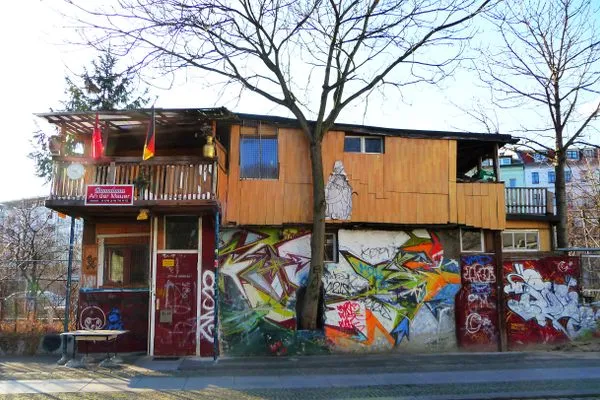
Imagine building a secret garden on a tiny patch of land, right next to the Berlin Wall. That's exactly what Osman Kalin did, creating a little haven that technically belonged to East Berlin but sat firmly in the West.
This isn't just any garden; it's a Gecekondu, a Turkish word meaning "placed overnight." It's usually for makeshift homes built without permission. But in Berlin, it became something much cooler: a quiet act of defiance and a living piece of history.
The Man Who Planted a Flag
Osman Kalin arrived in Berlin in 1980. After he retired in 1983, he looked at a neglected, triangular plot of land next to the Wall in Kreuzberg. It was technically East German territory but on the West side, a bizarre quirk of the city's division. He decided it was the perfect spot to grow some vegetables.
We're a new kind of news feed.
Regular news is designed to drain you. We're a non-profit built to restore you. Every story we publish is scored for impact, progress, and hope.
Start Your News DetoxHe cleared the 350-square-meter plot and built a small hut from old wardrobe doors, bed frames, and concrete. East German border guards watched him, convinced he was digging an escape tunnel. When they tried to stop him, Osman simply pretended not to understand, insisting the land was his. Talk about nerves of steel!
After the Berlin Wall came down, Osman's Gecekondu — or "guerrilla garden" — became a local legend. City leaders decided it was a cultural treasure, a symbol of Berlin's diverse spirit. Plus, the city didn't have the funds to redevelop the old canal basin that used to be there anyway.
Osman grew kale, tomatoes, cherries, and cabbage until he passed away in 2018. Today, his son Mehmet and another Turkish family keep the garden going. Mehmet even charges tourists €5 to visit and put up a cheeky street sign: "Osman Kalin Plath 0,1."
This little garden, born from a simple desire to grow food, became a quiet monument to resilience and the unexpected ways people make their mark. It's a reminder that even in the most divided places, a bit of green can bring people together.