Researchers have found the remains of a medieval village hidden in the forests of northwestern Poland. This town, called Stolzenberg, was likely built in the late 13th or early 14th century. Experts are still unsure why it was abandoned.
The Relicta Foundation, a Polish archaeological group, recently excavated the site. They uncovered what might be a town square, a main street, and an 18-foot-deep moat. The dig also revealed about 400 artifacts, ranging from the Bronze Age to World War II.
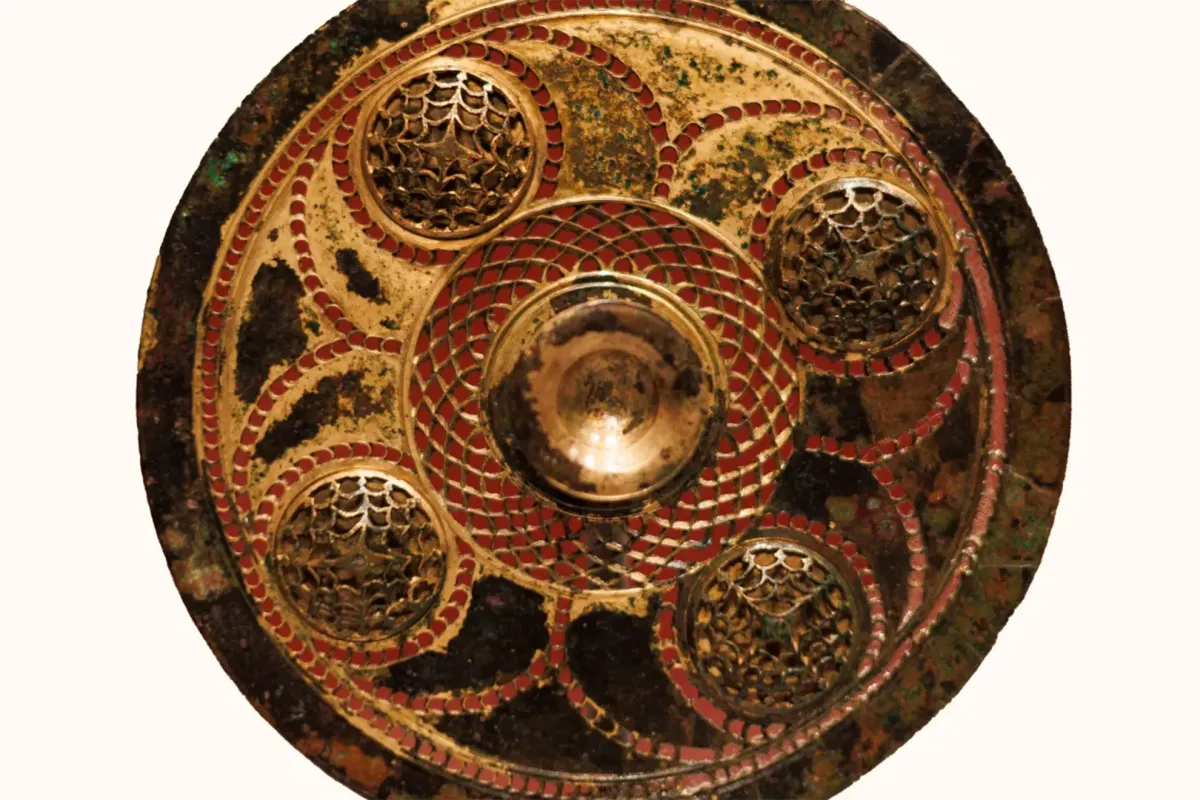
Marcin Krzepkowski, an archaeologist with the Relicta Foundation, told Fox News Digital that medieval artifacts were the most valuable. These included silver coins, metal belt parts, and coat clasps typical of medieval clothing.
We're a new kind of news feed.
Regular news is designed to drain you. We're a non-profit built to restore you. Every story we publish is scored for impact, progress, and hope.
Start Your News DetoxTracing a Lost City
The Relicta Foundation specializes in finding lost medieval cities. They have been looking for Stolzenberg since 2019. That's when they found a reference to it in a 1909 book.
The book described a "dead" town near the village of Sławoborze in what is now Poland's Western Pomerania region. In the forests south of Sławoborze, researchers found a horseshoe-shaped ditch with traces of defensive walls.
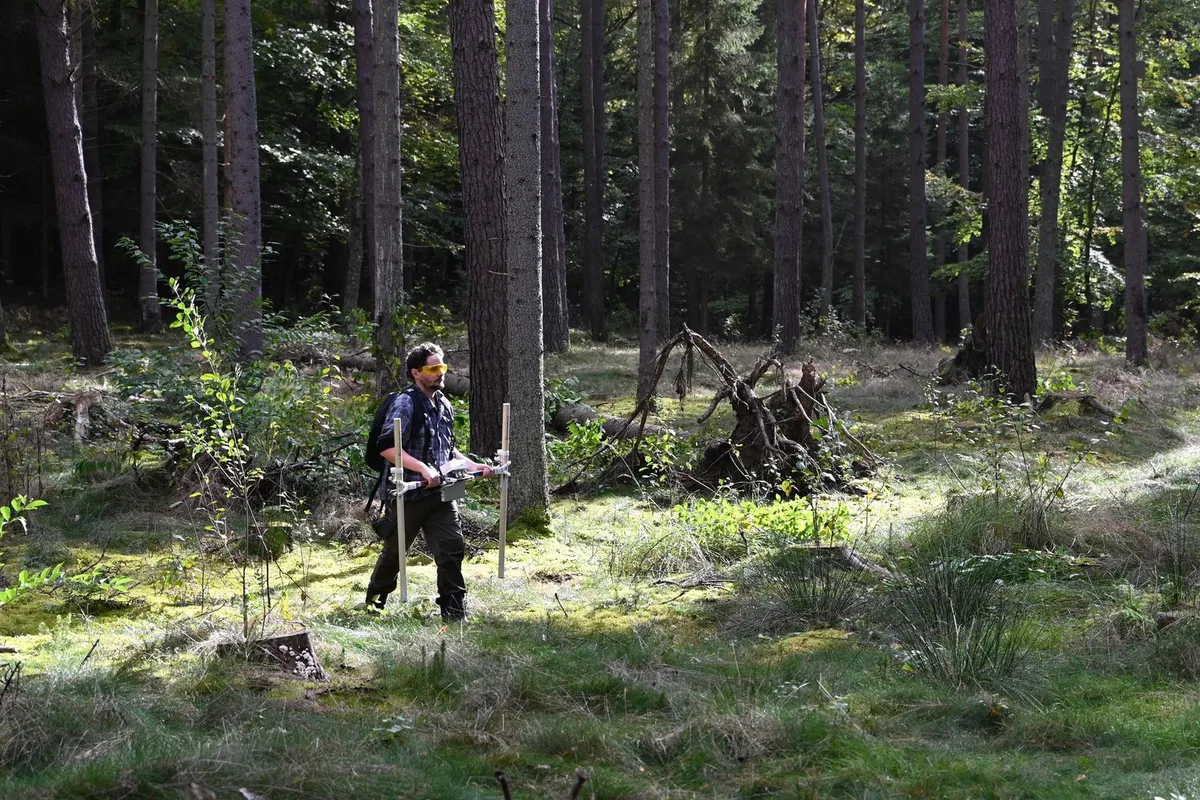
In 2020, metal detectorists found hundreds of artifacts at the site. Since then, with support from Poland’s Ministry of Culture and National Heritage, researchers have used deepcore drilling, geophysical surveys, and lidar scans.
Piotr Wroniecki, another Relicta Foundation archaeologist, told the Polish Press Agency that they found over 1,500 unusual terrain features in a 15-acre area. These anomalies suggest hidden structures, like old buildings, are underground.
These structures were arranged in a "neat, German-style city plan," according to Artnet. The town center had signs of a market square, surrounded by homes and a main street leading to city gates. Radiocarbon dating shows the village was active by the 14th century.
Medieval artifacts found include tools, brooches, belt buckles, and a coin showing a 13th-century duke. Researchers also found containers of meat and butter from World War II. Krzepkowski was especially interested in lead rifle bullets and cannon grenade fragments. He believes these are linked to a battle between Russian and Prussian forces in 1761 during the Seven Years’ War.
Why Was Stolzenberg Abandoned?
Researchers believe Stolzenberg was built around 1300 and abandoned before the 16th or 17th century. They don't know who founded the town or why people left. However, they have several ideas.
Plague, war, famine, or border disputes might have caused the town's decline. Another possibility is that the town simply moved. Krzepkowski explained that cities were sometimes relocated to better spots, even miles away. This could be due to flood risks, a desire for faster growth, shifting trade routes, or competition from other towns.
The researchers are still studying the site. They hope to learn about the diets of Stolzenberg residents through bioarchaeological analysis. Krzepkowski noted that the Relicta team is "still at the beginning of the journey." He believes this site is a "true time capsule" that will help them understand how settlements and cities formed in this part of Europe.