A new study is changing what we thought we knew about how humans first came to the Americas. For many years, the main idea was that the Clovis culture crossed a land bridge from Asia. This happened between 13,400 and 12,800 years ago, and they spread south.
This idea was first challenged in 1977. That's when archaeologists started digging at a site called Monte Verde in southern Chile. This site, near Puerto Montt, seemed to be about 14,500 years old. This suggested that people lived in the far south long before the Clovis people arrived.
New Findings at Monte Verde
Now, the theory has shifted again. A team of archaeologists believes Monte Verde might be much younger than first thought. It could be less than half its previously estimated age. This new idea puts the north-to-south expansion theory back in the spotlight.
We're a new kind of news feed.
Regular news is designed to drain you. We're a non-profit built to restore you. Every story we publish is scored for impact, progress, and hope.
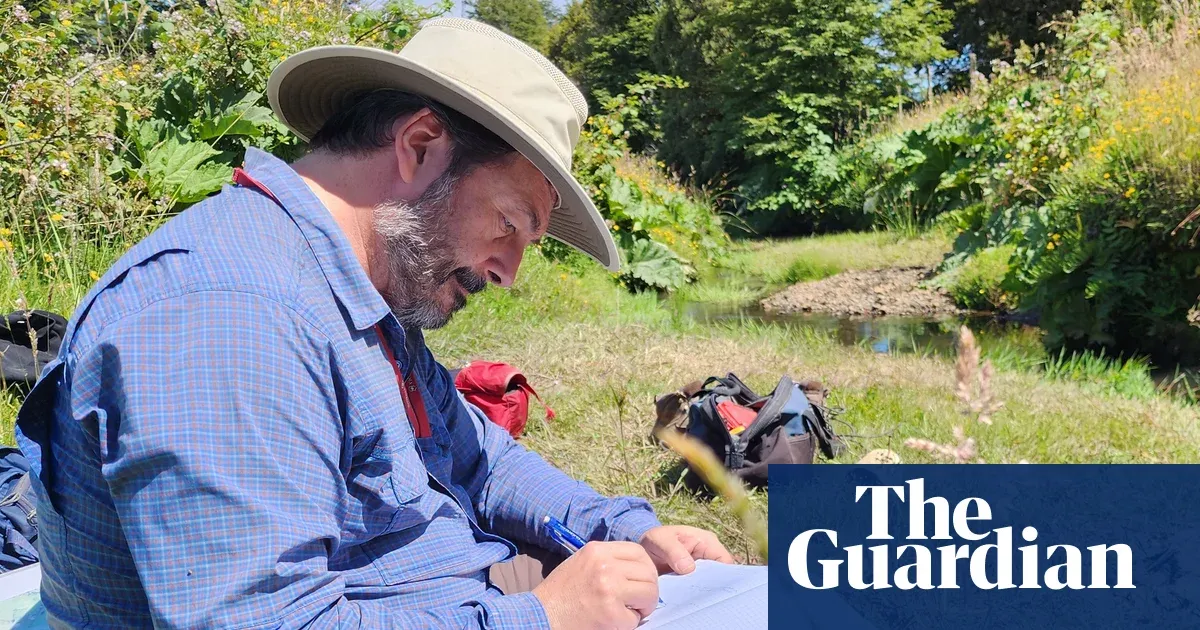
Start Your News DetoxDr. Todd Surovell, from the University of Wyoming, led the new study. He said Monte Verde was the key site for the idea that people were in South America before the Clovis culture appeared in North America. This has been the accepted view for his entire career.
Surovell became fascinated with Monte Verde after hearing about its initial findings. However, as his career progressed, he grew skeptical of this site. It was a major anomaly that changed how people understood human arrival in the Americas.
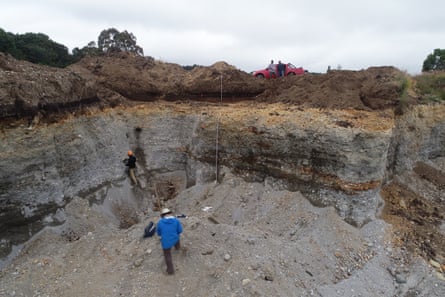
The new research suggests Monte Verde was misdated. Soil erosion caused more recent archaeological evidence to mix with older soil layers. This means the site is likely only between 6,000 and 8,000 years old.
Dr. Claudio Latorre, a paleoecologist, explained the impact of Monte Verde's original discovery. He said it completely changed the story of how the Americas were populated. Suddenly, there was a site in southern Chile that seemed 1,500 years older than the oldest sites in North America. This challenged the idea that people came from north to south.
Re-evaluating the Evidence
Tom Dillehay and his team first excavated Monte Verde from 1977 to 1985. They held the permits for the site. Surovell and his team got permission to study the site when the original permits briefly expired. They believe their independent survey has resolved the Monte Verde anomaly.
Other pre-Clovis sites have been found in the Americas, from Mexico to Argentina and Uruguay. However, none of these have been fully verified yet. Surovell believes these sites need further examination to improve our understanding of American prehistory.
He emphasized the importance of having "a second set of eyes" on these sites. Surovell hopes his work at Monte Verde helps advance knowledge by re-evaluating past findings.