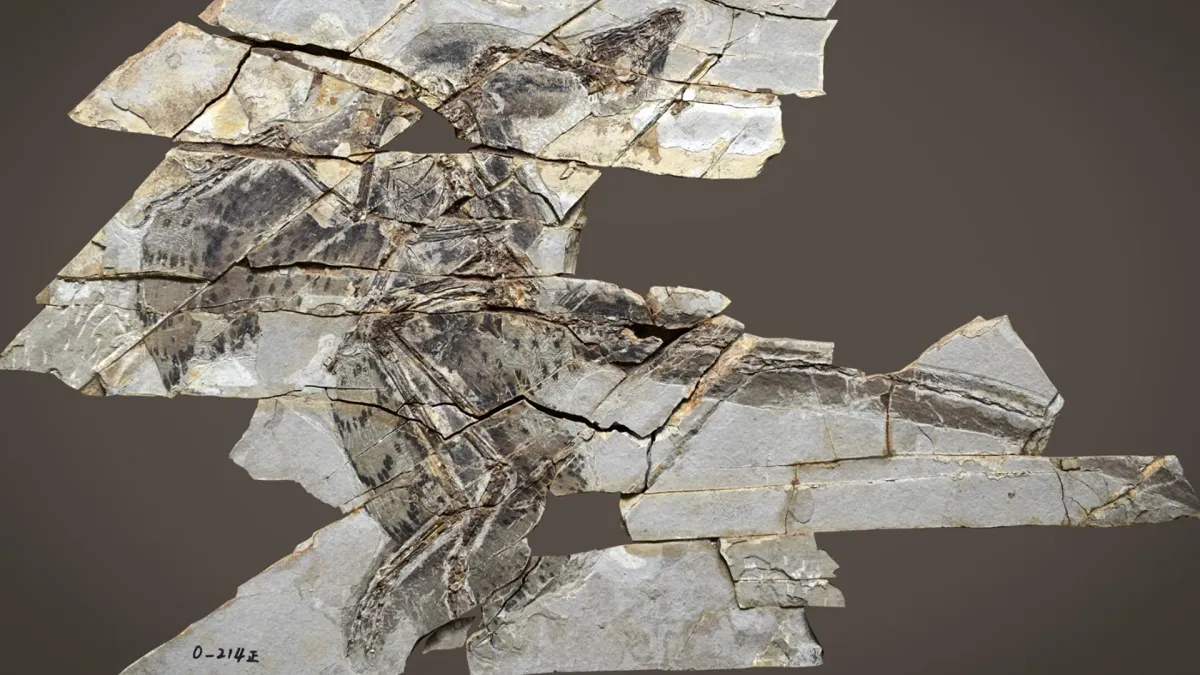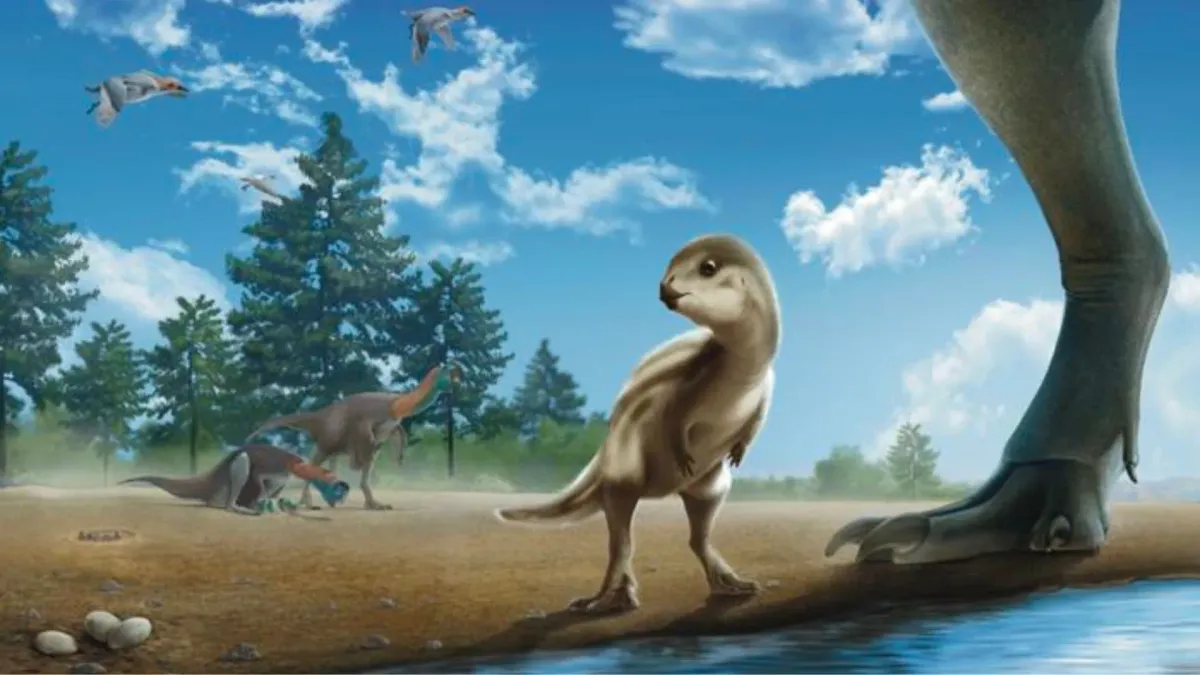
Imagine finding a rock that looks like nothing special, then discovering it hides the complete skeleton of a tiny, 113-million-year-old dinosaur. That's exactly what happened in South Korea, and the new species is pretty special. They even named it after a famous cartoon character.
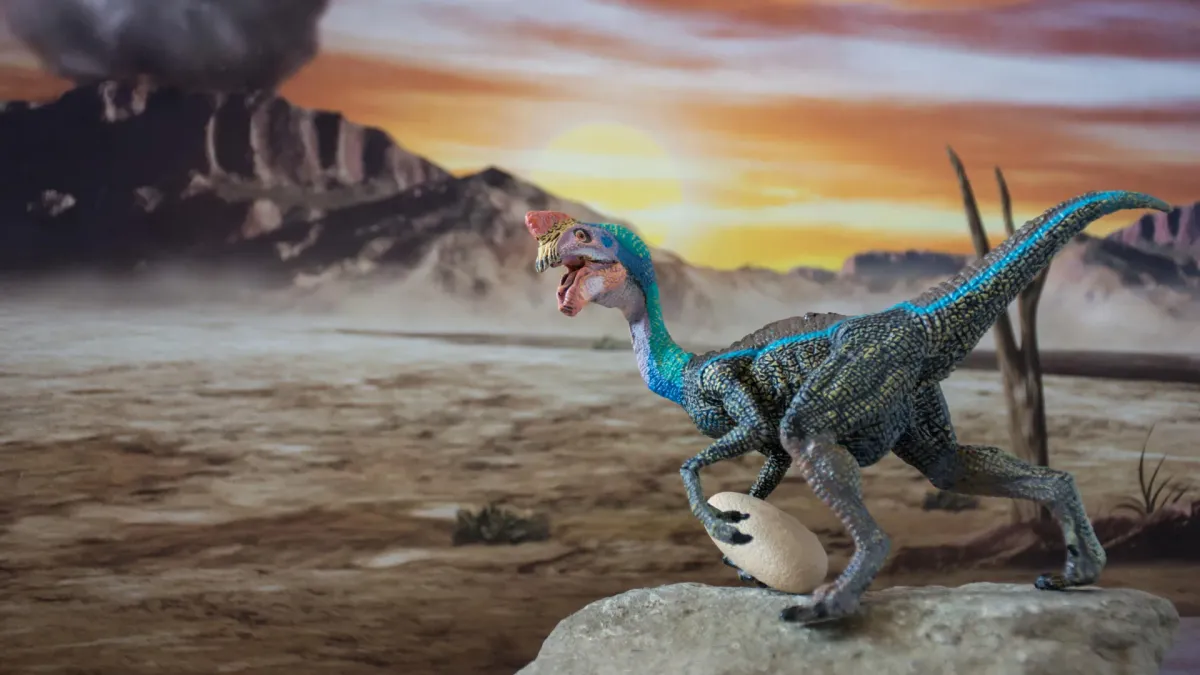
Meet Doolysaurus huhmini, a brand-new dinosaur species, about the size of a turkey, that lived during the mid-Cretaceous period. Its fossil was found on South Korea’s Aphae Island, and it's the first time in 15 years a new dino species has been identified there. Even cooler? It’s the first Korean dinosaur fossil ever found with its skull still perfectly preserved. Most people only know about big dinos, but this discovery shines a light on the smaller, equally fascinating ones.
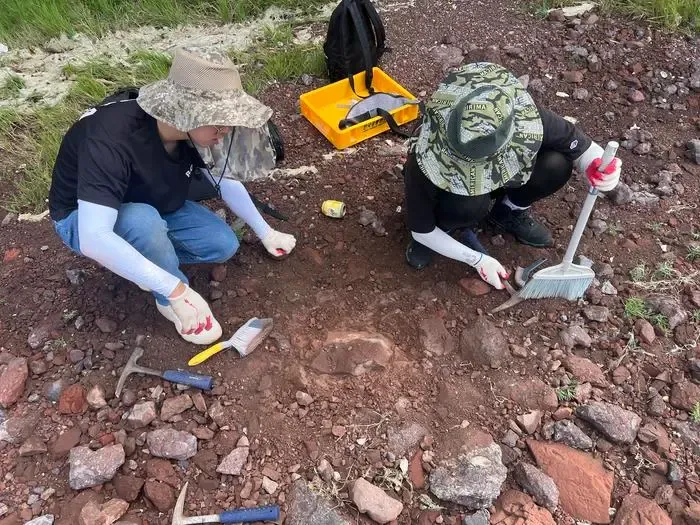
Researchers from the University of Texas at Austin and the Korean Dinosaur Research Center stumbled upon this little guy. Jongyun Jung, who led the study, said naming it after Dooly — a super popular baby dinosaur cartoon character in Korea — just felt right.
We're a new kind of news feed.
Regular news is designed to drain you. We're a non-profit built to restore you. Every story we publish is scored for impact, progress, and hope.
Start Your News Detox
More Than Just a Rock
When the fossil was first dug up in 2023, it looked like a plain old rock with a few leg bones sticking out. Not exactly jaw-dropping.
But here’s where it gets clever: The team took the rock to a special X-ray facility at the University of Texas. What they saw inside blew them away. Jung expected just a few leg bones, but the scans revealed skull parts and many more bones hidden within the rock. This high-tech scan took months, but chipping it out by hand would have taken ten years.
The Doolysaurus was only about two years old when it died, roughly the size of a turkey. Adults would have been twice that big. Scientists figured out its age by checking growth rings in its thigh bone, just like tree rings. This little omnivore probably had soft, fuzzy filaments, making it look a bit like a tiny, prehistoric lamb. Seriously cute, according to co-author Julia Clarke.
What else did they find? Dozens of tiny stones inside its ribcage. These are called gastroliths, pebbles dinosaurs swallowed to help grind up their food. This tells us Doolysaurus ate a mix of plants, insects, and small animals. It was a tough little survivor.
South Korea is known for finding dinosaur footprints and eggs, but actual bones are super rare. This discovery is a big deal, not just for science, but also for honoring Min Huh, a paleontologist who worked for 30 years to protect Korea’s fossil past. The team thinks there are many more "Doolys" waiting to be found in those southern islands. Imagine what else is hidden in plain sight!