Imagine bringing something back from billions of years ago. Scientists just did it. They resurrected an ancient enzyme, one that's been dormant for 3.2 billion years, right in the lab. This isn't just a cool trick; it's like finding a secret diary about how life first started on Earth.
Here's the thing: every living thing needs nitrogen to survive. But most of us can't just breathe it in from the air. We need special enzymes to convert it. These enzymes are called nitrogenases, and they're super important. Lance Seefeldt, a biochemist at Utah State University, explains that these enzymes have changed a lot since Earth was young.
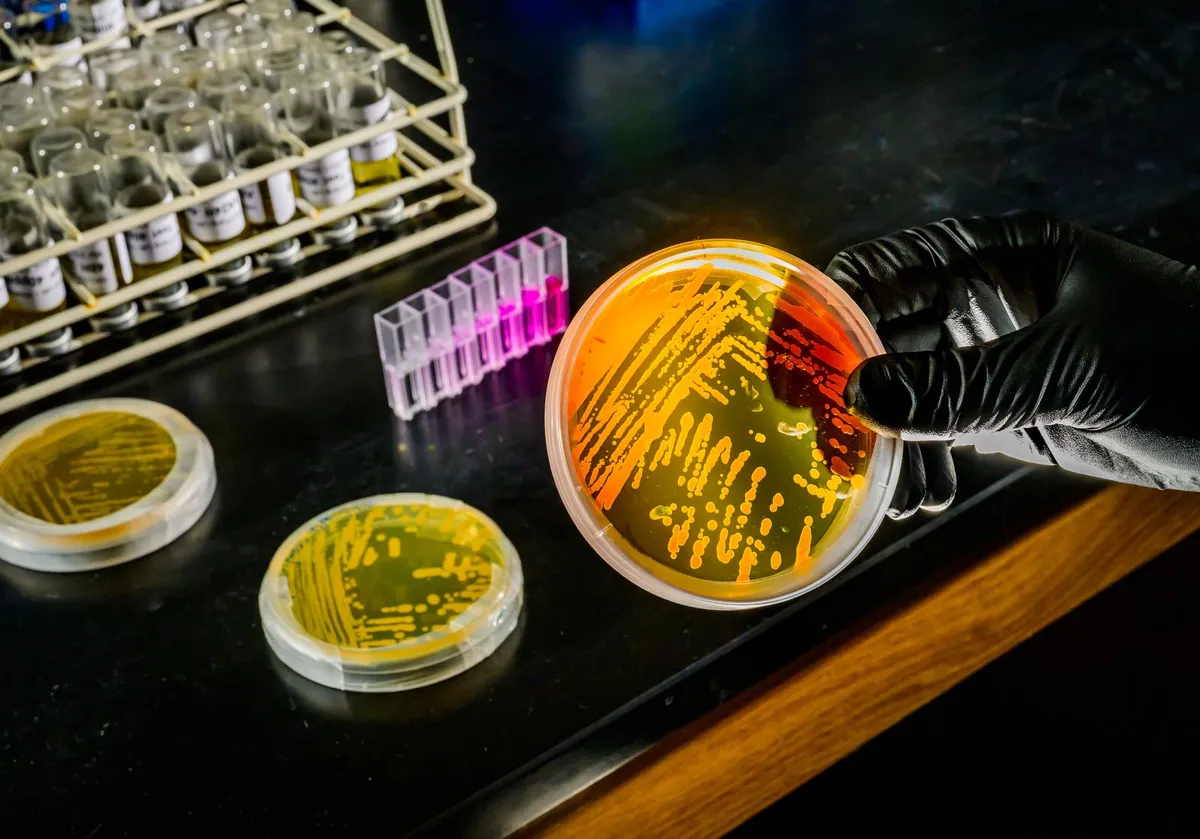
Seefeldt teamed up with Derek Harris and the NASA-funded MUSE project at the University of Wisconsin-Madison. They basically reverse-engineered modern nitrogenases to figure out what their ancient ancestors looked like. They then built these old versions in the lab. Their wild findings just hit Nature Communications.
We're a new kind of news feed.
Regular news is designed to drain you. We're a non-profit built to restore you. Every story we publish is scored for impact, progress, and hope.
Start Your News DetoxThey studied these resurrected enzymes, watching how they processed nitrogen isotopes. It's like a time machine, showing us exactly how life handled nitrogen way back when. This is huge, because it gives us a direct look at Earth's atmosphere and environment billions of years ago. Usually, scientists rely on old rocks, but this is a living, breathing piece of history.
Why This Matters So Much
This isn't just about understanding the past. It's also about our future. Knowing how these enzymes worked long ago can help us tackle big problems today, like growing food in places hit by drought or without much fertilizer. Seriously cool, right?
And get this: Seefeldt has worked on NASA projects focused on growing crops in space, even on Mars. So, figuring out how life could get nitrogen way back when might just help us figure out how to feed astronauts far from home. Betül Kaçar, who leads the MUSE project, says this helps us understand how life survived before oxygen-breathing creatures changed everything. It’s all about understanding our planet's four-billion-year story to help us find life elsewhere.