As climate change pushes heat deeper into the ocean, scientists have worried about disruptions to marine life. However, new research suggests that a key microbe, Nitrosopumilus maritimus, may already be adapting to these harsher conditions.
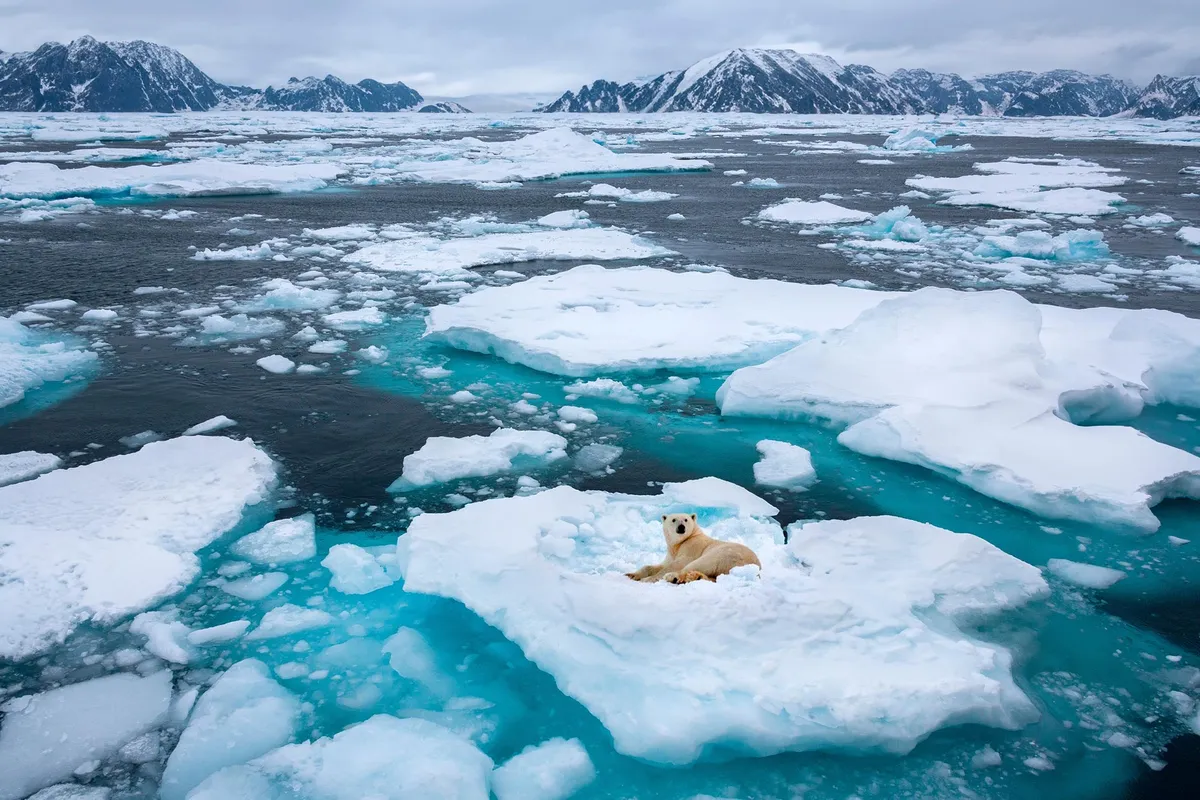
Rising temperatures are now warming deep-sea waters. This raises concerns about how the ocean's delicate chemical and biological systems will cope.
Despite these risks, new research shows that Nitrosopumilus maritimus might be adjusting to warmer, low-nutrient environments. These archaea depend on iron and oxidize ammonia. Scientists believe they could play a big role in how ocean nutrients are distributed as the climate changes.
We're a new kind of news feed.
Regular news is designed to drain you. We're a non-profit built to restore you. Every story we publish is scored for impact, progress, and hope.
Start Your News DetoxThese findings were published in the Proceedings of the National Academy of Sciences.
Key Microbes in Ocean Nutrient Cycles
Nitrosopumilus maritimus and similar microbes make up about 30% of marine microbial plankton. These organisms are vital for keeping ocean chemistry balanced, which supports all marine life. They are central to nutrient cycling because they can oxidize ammonia.
By changing nitrogen into different forms in seawater, these microbes affect how microbial plankton grow. These plankton are the base of the marine food chain. This means the archaea's activity helps maintain biodiversity throughout the ocean.
Deep-Sea Warming and Iron Use
"Ocean warming can reach depths of 1,000 meters or more," said Wei Qin, a microbiology professor at the University of Illinois Urbana-Champaign. "We used to think deeper waters were safe from surface warming. But now it's clear that deep-sea warming can change how these abundant archaea use iron, which they heavily rely on. This could affect how much trace metal is available in the deep ocean."
Experiments Show Increased Iron Efficiency
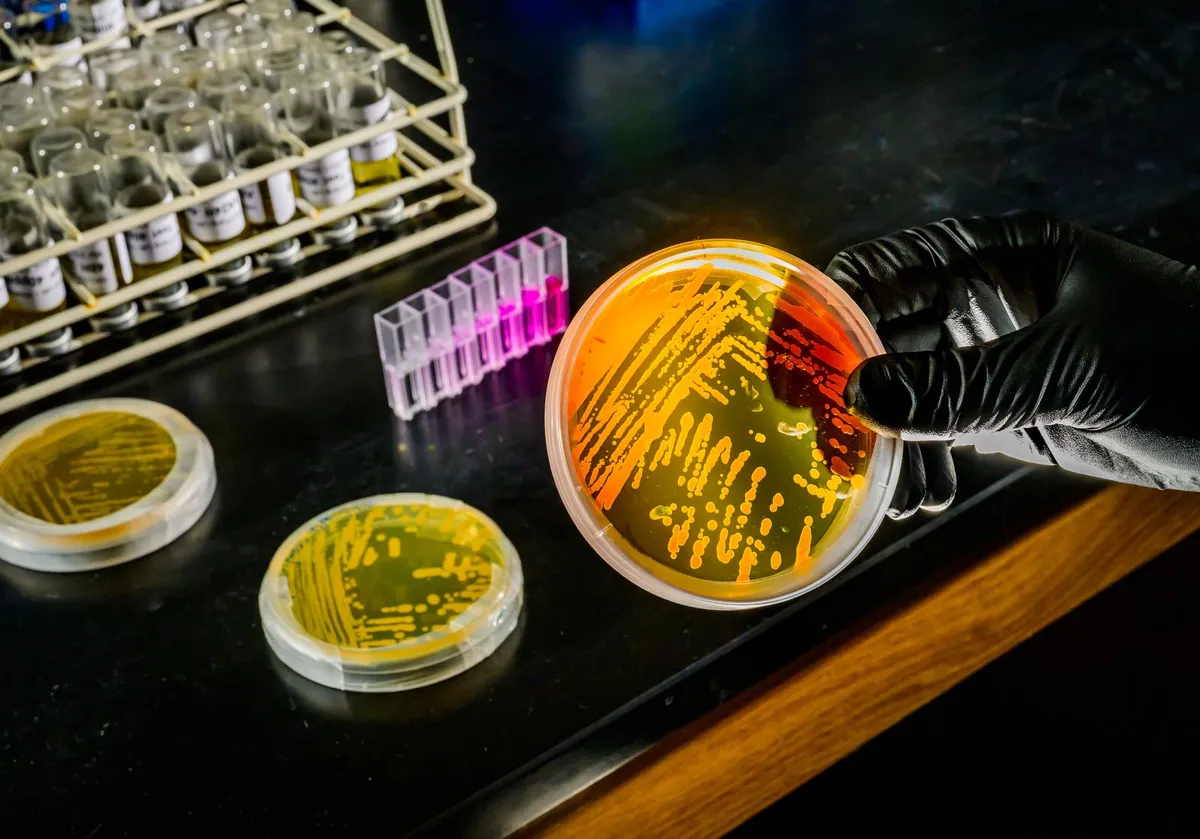
The study, led by Qin and David Hutchins, a global change biology professor at the University of Southern California, used controlled experiments. They carefully avoided contamination from trace metals. Researchers exposed a pure culture of Nitrosopumilus maritimus to different temperatures and iron levels.
They found that higher temperatures, especially when iron was scarce, made the microbes need less iron. It also made them use iron more efficiently. This suggests these organisms can adapt to both warmer waters and less available iron.
Modeling Points to a Growing Role
"We combined these findings with global ocean modeling by Alessandro Tagliabue from the University of Liverpool," Qin explained. "The results suggest that deep-ocean archaea might keep or even increase their role in nitrogen cycling and supporting primary production in vast iron-limited areas as the climate warms."
Upcoming Research Expedition
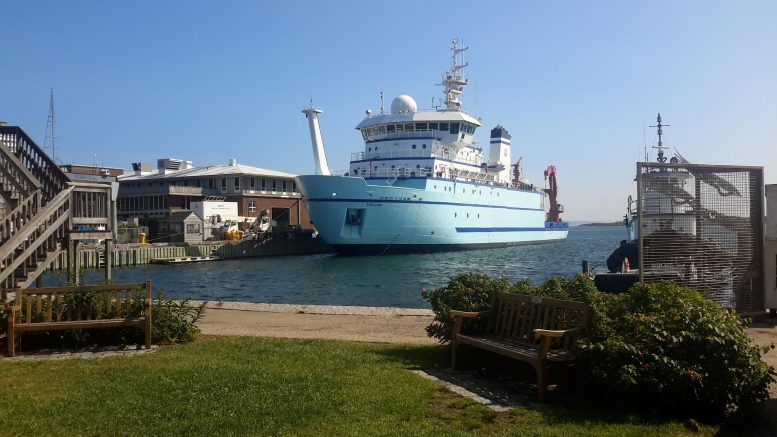
This summer, Qin will be a co-chief scientist on the research vessel Sikuliaq. He and 20 other researchers will work to confirm the study's findings in the real ocean. The expedition will start in Seattle, go to the Gulf of Alaska, and then to the subtropical gyre, stopping in Honolulu, Hawaii.
The team will study how temperature changes and limited metals affect archaea populations in natural ocean environments.
Deep Dive & References
Ocean warming enhances iron use efficiencies of marine ammonia-oxidizing archaea - Proceedings of the National Academy of Sciences, 2026