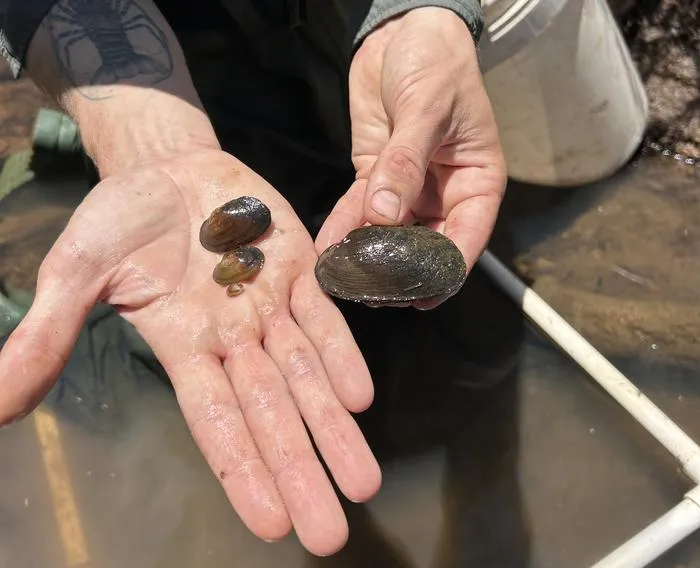
Turns out, some of the most endangered animals on Earth might be thriving in places you'd never expect: farm dams and drainage canals. Seriously. New research from Australia just dropped this pretty wild idea.
Freshwater mussels are like the unsung heroes of our rivers. They filter water, pull out nasty metals, and even store carbon. Think of them as the river's own super-efficient cleaning crew. But these long-lived creatures are in deep trouble. Human activity like building dams and altering waterways has messed with their natural homes.

Researchers in Australia wondered if these clever little mollusks could adapt. They looked at Carter's freshwater mussel, a species only found in southwestern Australia. Its numbers have tanked by a lot over the last 50 years, mostly because of saltwater creeping into their rivers and drying conditions.
We're a new kind of news feed.
Regular news is designed to drain you. We're a non-profit built to restore you. Every story we publish is scored for impact, progress, and hope.
Start Your News Detox
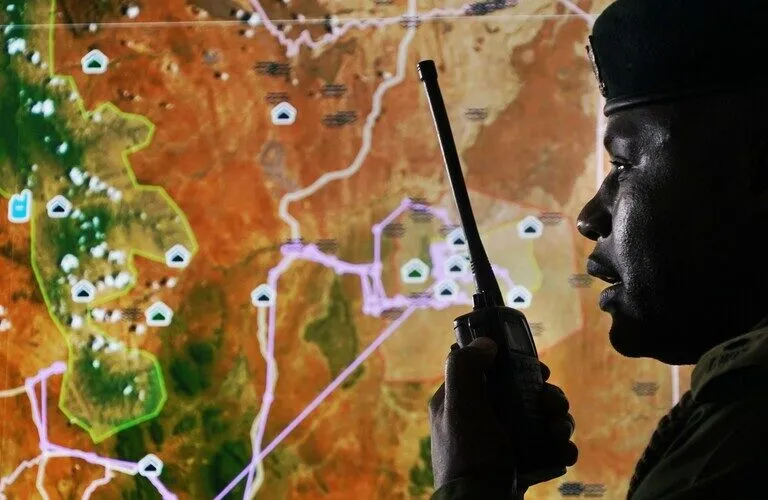
Jake Daviot, who led the study at Murdoch University, stressed that we need new ways to protect them. Otherwise, more mussel populations will simply vanish.
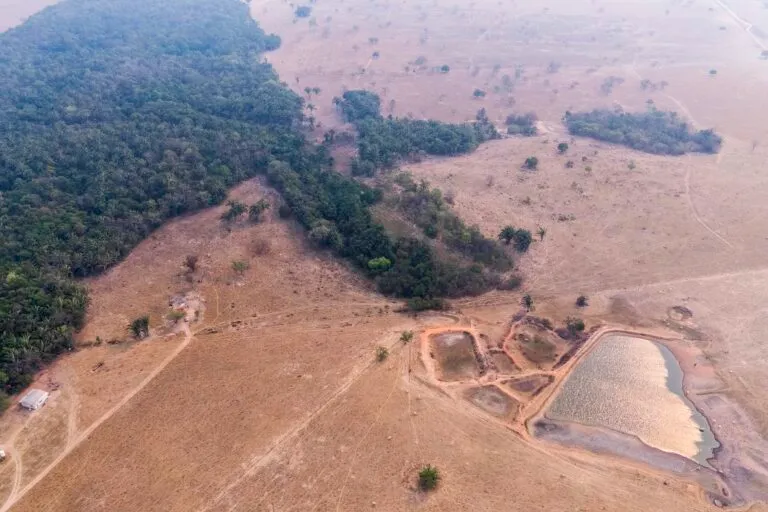
His team spent years checking out mussels in 12 different spots. Half were natural rivers, and the other half were man-made places like farm ponds and big drains. They measured everything: how many mussels there were, how big they got, and the conditions of their habitat.

And here's the kicker: most of the artificial spots had just as many mussels as the natural ones. This suggests these human-made water bodies could actually be safe havens, giving these vital creatures a fighting chance.

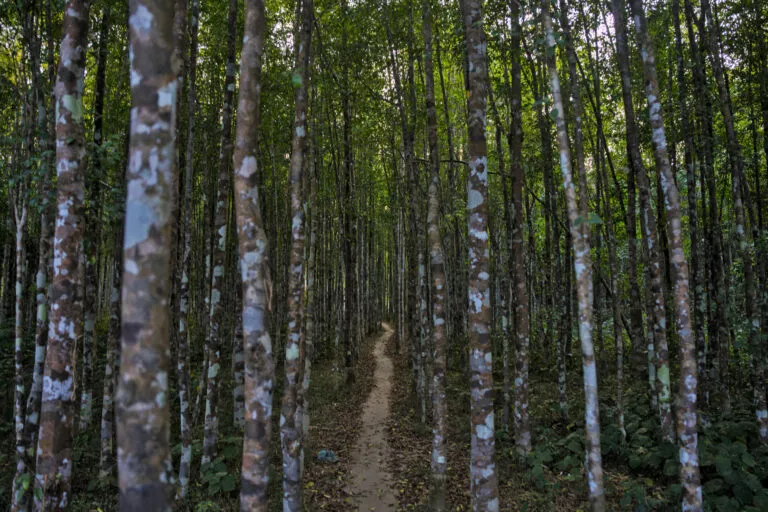
This isn't just about one mussel species. It's a seriously cool idea that we might be able to use existing infrastructure — things we've already built — to help nature bounce back. Who knew a farm pond could be a biodiversity hotspot?