Turns out, Neanderthals might have been way ahead of us. New research suggests they were using birch tree sap as an antibiotic to treat wounds, thousands of years before modern medicine caught on.
For a long time, people thought Neanderthals were pretty simple. But that's changing fast. We now know they crafted tools, collected cool stuff, and even made art. And this new study adds another layer: they might have been serious healers.
Archaeologists often find sticky birch tar at old Neanderthal sites. This tar comes from birch trees. Scientists wondered if it was just for fixing tools, or if there was something more to it.
We're a new kind of news feed.
Regular news is designed to drain you. We're a non-profit built to restore you. Every story we publish is scored for impact, progress, and hope.
Start Your News Detox
Ancient Remedies, Modern Science
Here's the thing: some Indigenous groups in northern Europe and Canada still use birch tar to treat cuts and scrapes today. Plus, we're finding more and more proof that Neanderthals actually took care of their sick and hurt friends.
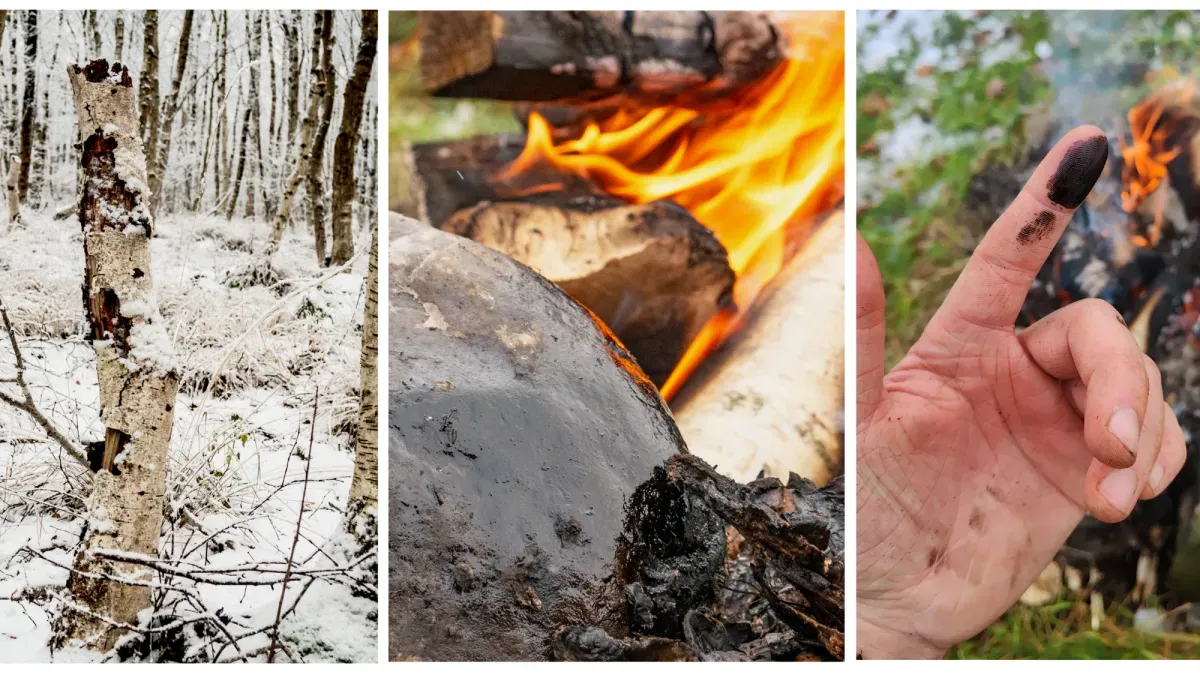
To test this, a team gathered birch bark from trees like the ones Neanderthals would have known. They even made the tar using old-school methods, like distilling it in a clay pit and cooling it with stones. It sounds like a messy job.

One researcher called the process a "sensory experience." Imagine trying to get that sticky stuff off your hands after hours by a fire. Pretty nuts.
Then came the lab test. The team put their homemade tar on different types of bacteria. And guess what? Every single sample stopped Staphylococcus bacteria from growing. That's the stuff that causes nasty wound infections.

This isn't just a cool fact about ancient history. It shows that Indigenous medical practices have deep roots and real science behind them. And it means Neanderthals were likely using this natural antibiotic to heal wounds during the last Ice Ages.
What's even wilder? As modern antibiotics struggle against superbugs, looking back at these ancient remedies could help us find new ways to fight infections. It's like a lost medical secret, just waiting to be rediscovered.