Imagine going to a play in Shakespeare's time. The stage was basically empty. Actors just said where they were, like, "This is a forest!" Wild, right?
But then, something pretty clever happened. After a civil war and some serious rules, King Charles II brought back theater in 1660. And with him came a seriously cool invention: moveable scenery.
Suddenly, stages weren't just blank spaces. Huge painted backdrops started sliding in and out on wooden tracks, changing the scene in seconds. This wasn't just a small upgrade; it was a total game-changer for plays.
We're a new kind of news feed.
Regular news is designed to drain you. We're a non-profit built to restore you. Every story we publish is scored for impact, progress, and hope.
Start Your News DetoxThe Stage Comes Alive
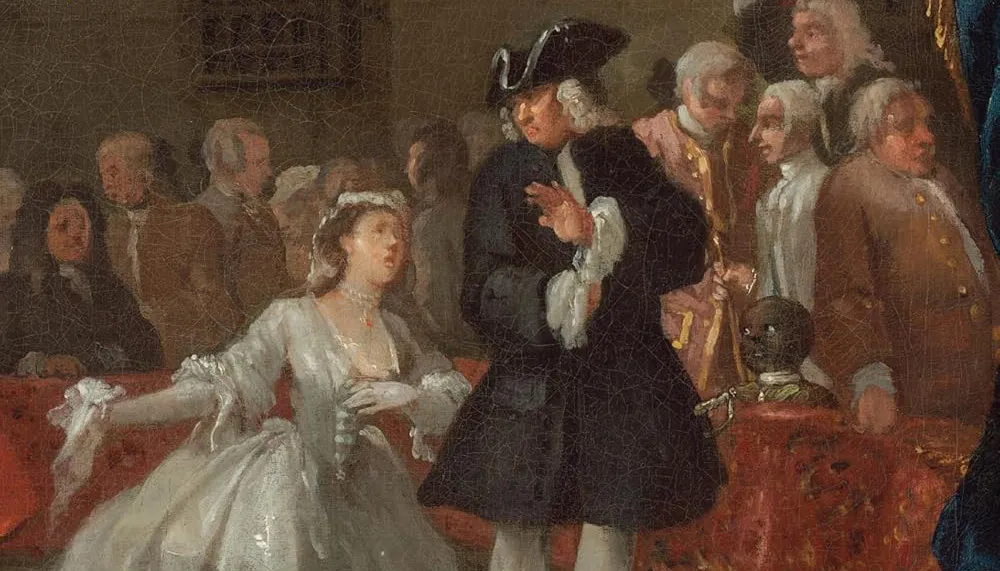
This new tech meant plays could be way more dramatic. Think about it: a forest could instantly become a castle, then a bustling street. It made plays feel much more real and exciting. And it wasn't just about the scenery. This era also saw women, immigrants, and even enslaved people taking on roles and working behind the scenes, making the stage a place of constant motion.
UC Berkeley Professor Julia Fawcett is diving into this in her upcoming 2025 book, Moveable Londons. She argues that these sliding sets were more than just cool visual effects. They mirrored what was happening in London itself, a city constantly rebuilding after a huge plague and a devastating fire.
Fawcett calls it a "revolution in English performance." It completely changed how people thought about movement, personal freedom, and even belonging in a rapidly changing city. That might not sound like much, but it set the stage for everything from today's elaborate Broadway shows to how we navigate our own cities.
Seriously, these old stage tricks didn't just give us modern theater. They also subtly influenced how we experience and move through urban spaces, making us feel more connected to the constant motion of city life. Pretty nuts for some painted backdrops, huh?