Imagine finding a secret message in an old painting that's been hanging around for 500 years. That's pretty much what just happened at the Met Museum in New York.
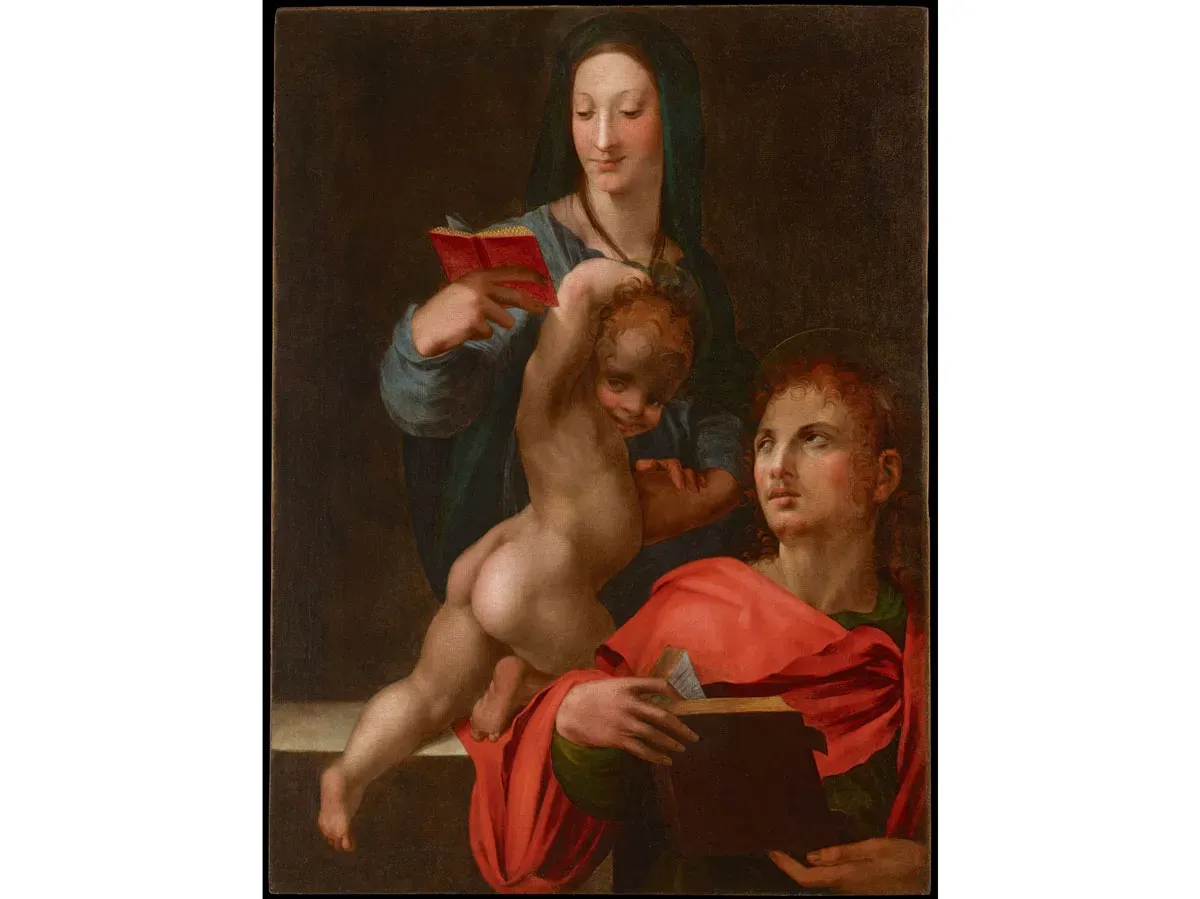
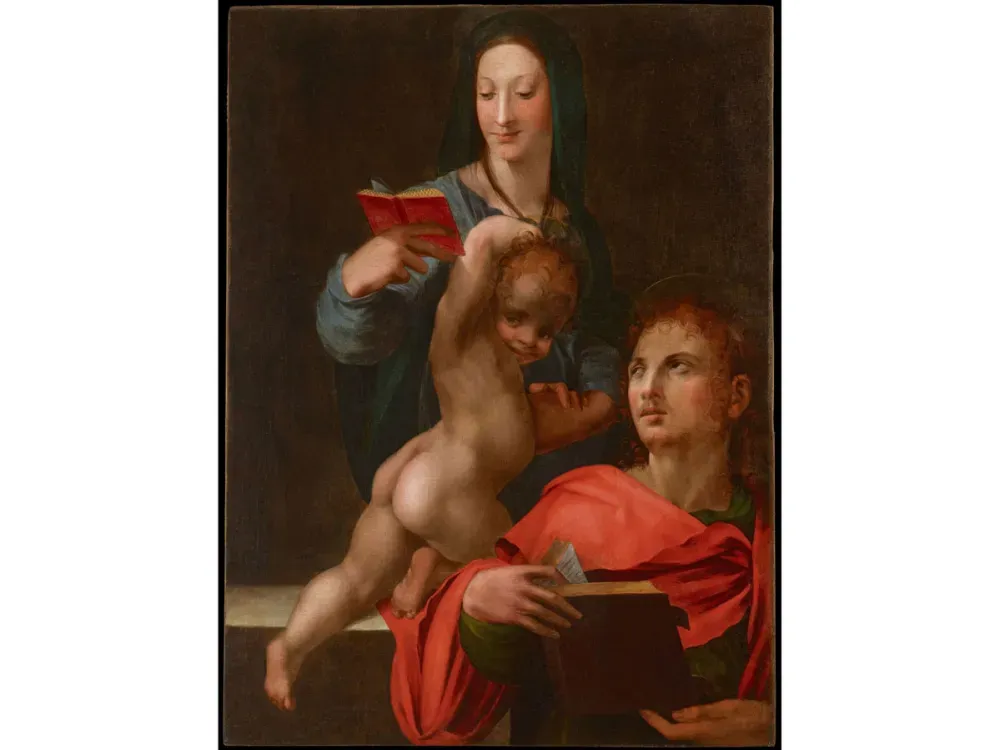
They've acquired a Renaissance painting that was basically hiding a whole other figure. Layers of old paint were carefully removed, and boom: Saint John the Evangelist appeared. He was just chilling in the bottom corner the whole time, completely unseen.
This isn't just any old painting. It's Madonna and Child with Saint John the Evangelist by Rosso Fiorentino, dating back to 1512 or 1513. Before this big reveal, experts weren't even sure who painted it. Some thought it was a Rosso, others didn't. It was just called Madonna and Child and dated to 1520.
We're a new kind of news feed.
Regular news is designed to drain you. We're a non-profit built to restore you. Every story we publish is scored for impact, progress, and hope.
Start Your News DetoxBut here's the kicker: Giorgio Vasari, basically the OG art historian, wrote about this exact painting. In his famous book Lives of the Most Excellent Painters, Sculptors, and Architects, he mentioned Rosso's first big church job and described a painting of "the Madonna and Child with a half-length figure of Saint John the Evangelist." That description matches perfectly.
Seriously cool, right? Stephan Wolohojian, who heads up the Met's European painting department, says Rosso's paintings are super rare. We're talking only about two dozen known works. So finding one that Vasari himself noted is a pretty big deal.
A Little Bit Quirky
Rosso Fiorentino (which means "Florentine Redhead" because of his hair) was born in 1494. He was one of the pioneers of a style called Mannerism. Vasari actually called it maniera moderna, or "modern style."
This style was a bit of a rebel move against the perfect balance of artists like Leonardo da Vinci and Raphael. Mannerist painters loved exaggerated features and intentional quirks. Take this painting: baby Jesus has a sly smirk and a surprisingly muscular backside. It's meant to grab your attention and make you look closer.
Max Hollein, the Met's director, put it well: Rosso's unusual choices turn a common religious scene into something powerful. It pulls you into a complex mix of seeing, feeling, and believing.
Rosso had a short but impactful career, dying at 45. He ended up as a court painter for the King of France. This rediscovered painting changes how we understand his early work and how art started getting more expressive in 16th-century Florence. It's like finding a missing piece of a historical puzzle.