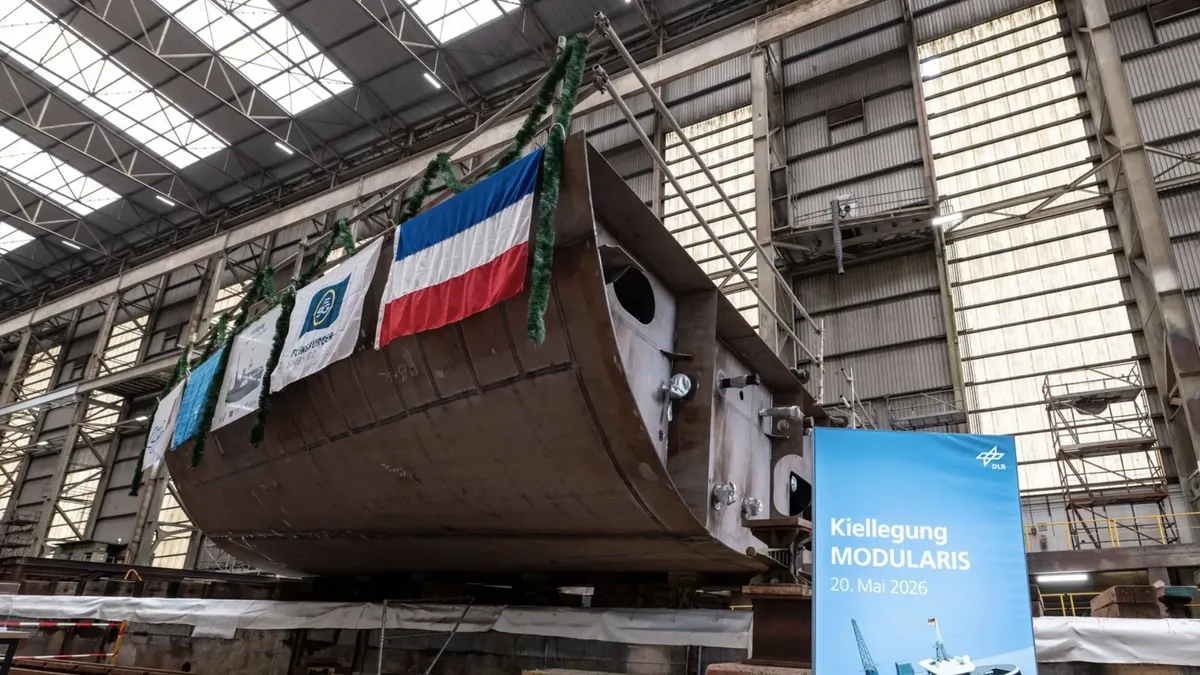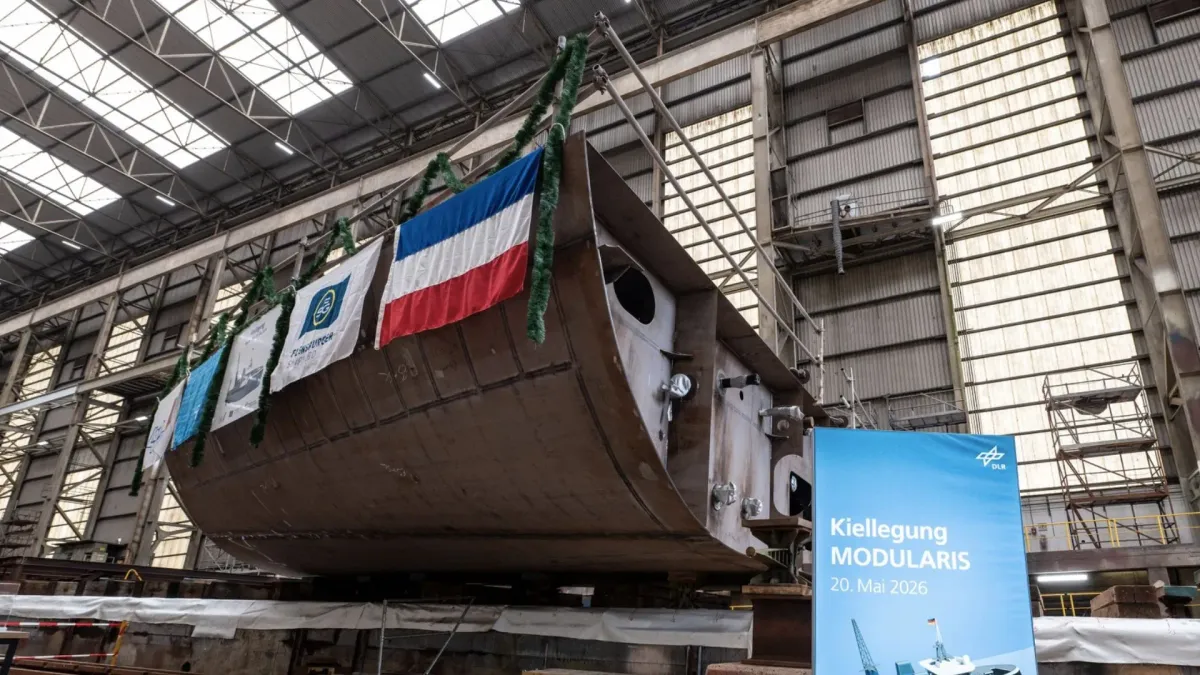
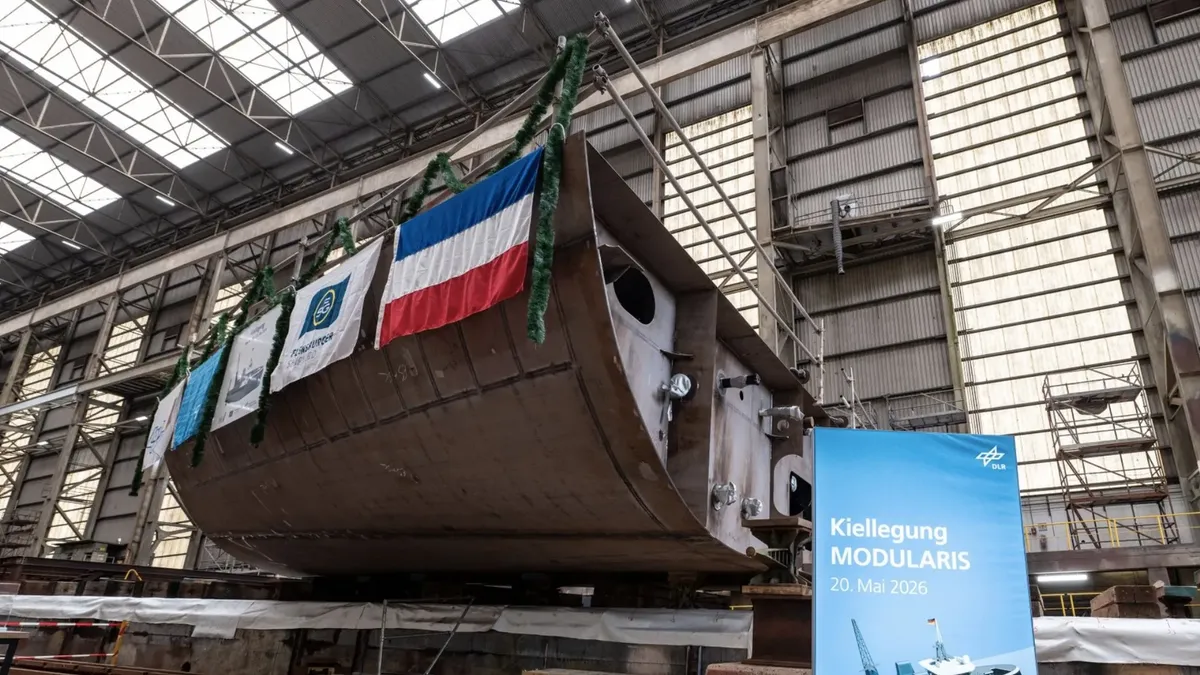
Germany's latest maritime marvel, a floating lab named MODULARIS, just had its keel laid by the German Aerospace Center (DLR). Think of it as a giant, very serious toy boat designed to figure out how ships will run in a world that's decided fossil fuels are so last century. Its main gig? Eco-friendly engines, self-driving tech, and some intriguing security and defense applications. Because apparently, even the high seas need an upgrade.
MODULARIS isn't just any old vessel; it's a dedicated playground for innovation. It's built to fast-track the testing and certification of next-gen energy, navigation, and communication systems in actual, real-world conditions. This means new tech can go from whiteboard to open water a lot quicker, boosting both innovation and security across Germany and Europe. And DLR isn't hoarding the fun; they're inviting partners from government, industry, and even startups to come play.
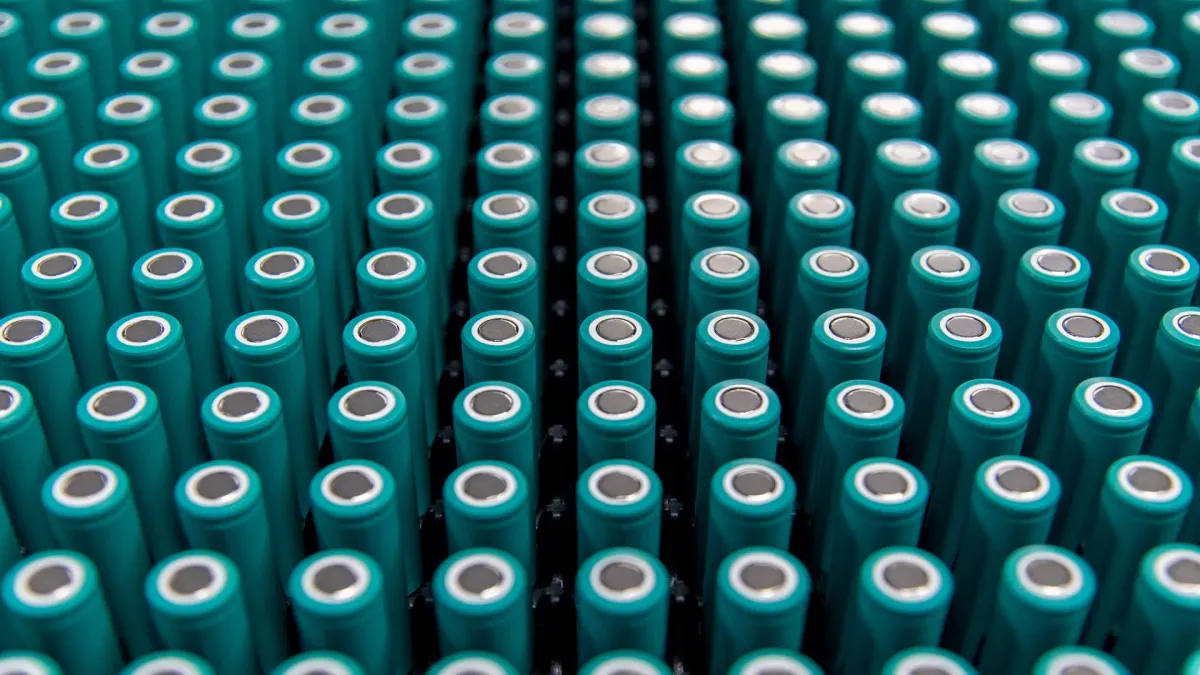
The genius part? It has redundant safety and control systems. This allows researchers to test uncertified, cutting-edge tech without, you know, sinking the ship. They'll be throwing everything at it: fuel cells, batteries, advanced sensors, and automation systems. Plus, there's a dedicated engine room ready to experiment with alternative fuels like methanol, ammonia, and hydrogen. Because why pick just one when you can try them all? It'll also support uncrewed systems, like those increasingly common drones, because apparently that's where we are now.
We're a new kind of news feed.
Regular news is designed to drain you. We're a non-profit built to restore you. Every story we publish is scored for impact, progress, and hope.
Start Your News DetoxAt 48 meters long and 11.5 meters wide, MODULARIS can host up to 20 intrepid researchers. Its voyages will mostly crisscross the North Sea, Baltic Sea, and Mediterranean, with missions lasting up to a week. This floating brain trust, combined with DLR's existing facilities in Kiel, is poised to create a unique hub for future maritime tech, solidifying Schleswig-Holstein's status as an innovation hotspot.
And in a nod to tradition during the keel-laying, a "lucky coin" was placed under the ship's first steel module. Because even in the age of hydrogen and AI, a little bit of old-school superstition never hurt anyone. Especially if it means smoother sailing for the future.