Hawaii has a plastic problem, and it's not just the tourists leaving flip-flops on the beach. Recycling on the islands is a logistical nightmare, especially for the mountains of marine debris that wash ashore. Shipping it off is costly, burning it is… not ideal, and landfills fill up faster than a hotel during peak season.
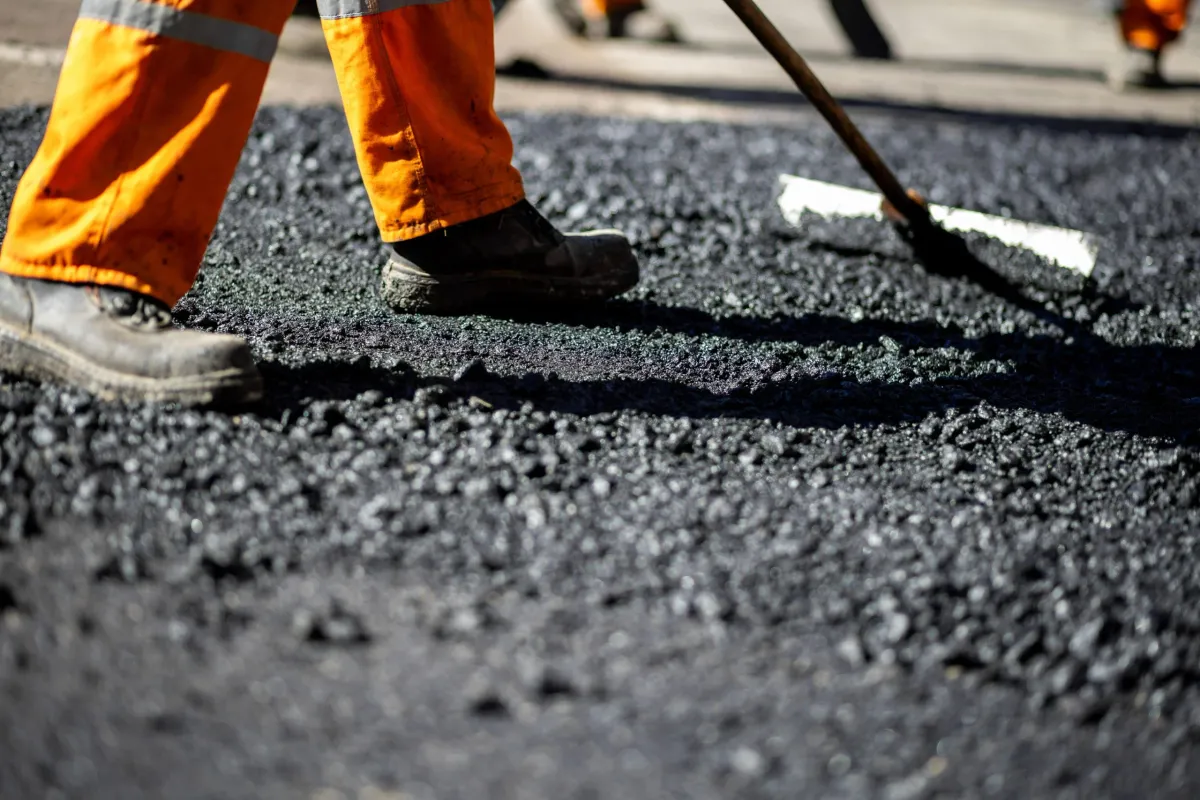
But now, researchers are paving a new path – quite literally. They're taking those discarded fishing nets and your old plastic takeout containers and turning them into asphalt for roads. And the early results suggest this isn't just a pipe dream; it's actually working.
Jeremy Axworthy, a researcher at Hawaiʻi Pacific University, points out the obvious win: using plastic already in Hawaii cuts down on shipping, incineration, and landfill use. Because apparently that's where we are now: making roads out of yesterday's trash.
We're a new kind of news feed.
Regular news is designed to drain you. We're a non-profit built to restore you. Every story we publish is scored for impact, progress, and hope.
Start Your News DetoxThe Secret Sauce: Polymer-Modified Asphalt
Since 2020, most Hawaiian roads have been built with something called polymer-modified asphalt (PMA). Think of it as asphalt with superpowers. It's more flexible, less prone to cracking, and shrugs off water damage – perfect for a tropical paradise that sees its fair share of sun and sudden downpours.
PMA gets its strength from melting a specific type of plastic (SBS) into a sticky binder, which then gets mixed with hot rocks and sand. The big question, of course, was whether everyday waste plastic could step in and play the part.
The Hawaii Department of Transportation (HDOT) had two burning questions: Would these recycled-plastic roads hold up? And more importantly, would they secretly shed microplastics and chemicals into the environment? Enter environmental chemist Jennifer Lynch and her team, tasked with finding out.
Lynch's team got to work. First, they needed fishing nets – lots of them. Her lab has already hauled 84 tons of the stuff out of the Pacific. Then, they needed to test for microplastics. Because what's the point of a sturdy road if it's slowly poisoning the soil?
A U.S. company processed the plastic waste, turning it into road-ready material. HDOT then laid down sections of a residential road on Oahu. Some parts were standard asphalt, some used recycled polyethylene from Honolulu's blue bins, and some got the special fishing net treatment.
The Results Are In (and They're Good)
After about 11 months, Lynch's team collected road dust. The verdict? The recycled polyethylene pavement wasn't shedding any more polymers than the standard stuff. Same story in mechanical tests and simulated stormwater runoff. It seems the plastic melts so thoroughly into the asphalt binder that any tiny fragments are a mix of rock, binder, and plastic – not just pure microplastic.
In fact, they found that tire wear released far more polymers than the plastic-infused roads. Which, if you think about it, is both impressive and slightly terrifying. We're driving on roads made of old trash, and they're less polluting than our tires.
More research is needed, of course, to see how these roads hold up over decades. But for now, turning ocean trash into pavement looks like a genuinely smart way to tackle Hawaii's waste problem and protect its stunning marine environment. Lynch noted that while some people are skeptical about plastic recycling, this project proves it can absolutely succeed when sustainability becomes the driving force. Talk about a glow-up for a discarded fishing net.