Today, we're taking a look at the hidden architecture of progress — the quiet connections that underpin big shifts, from the microscopic to the global.
The Unseen Infrastructure of Progress
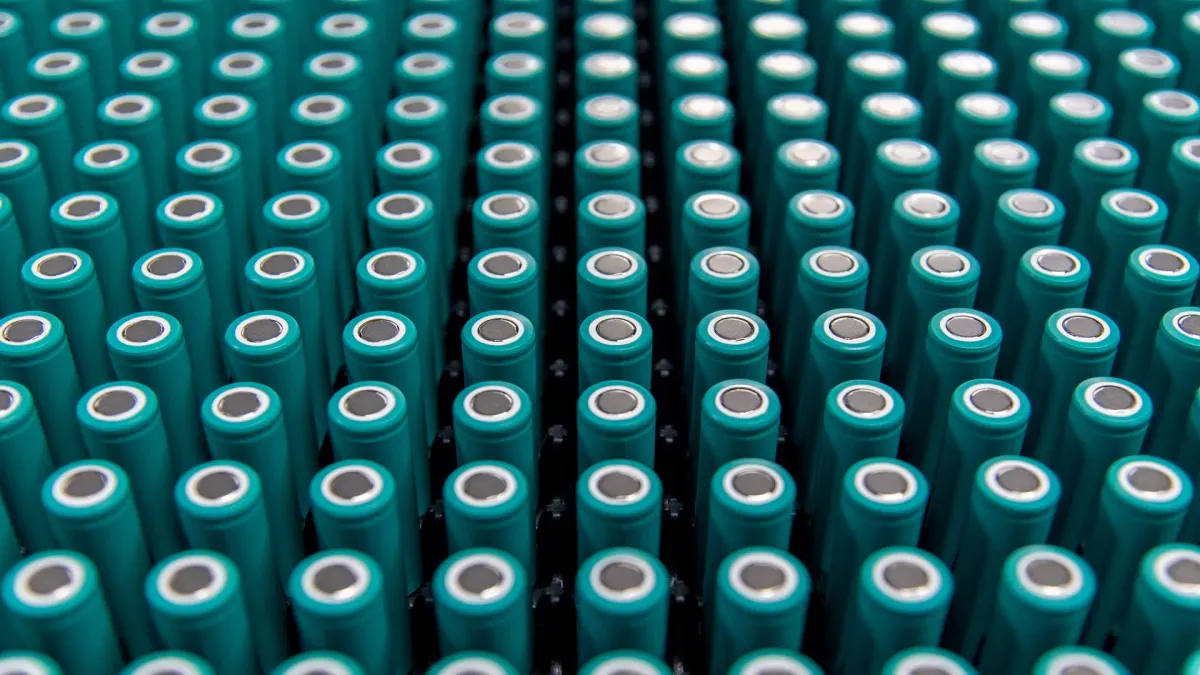
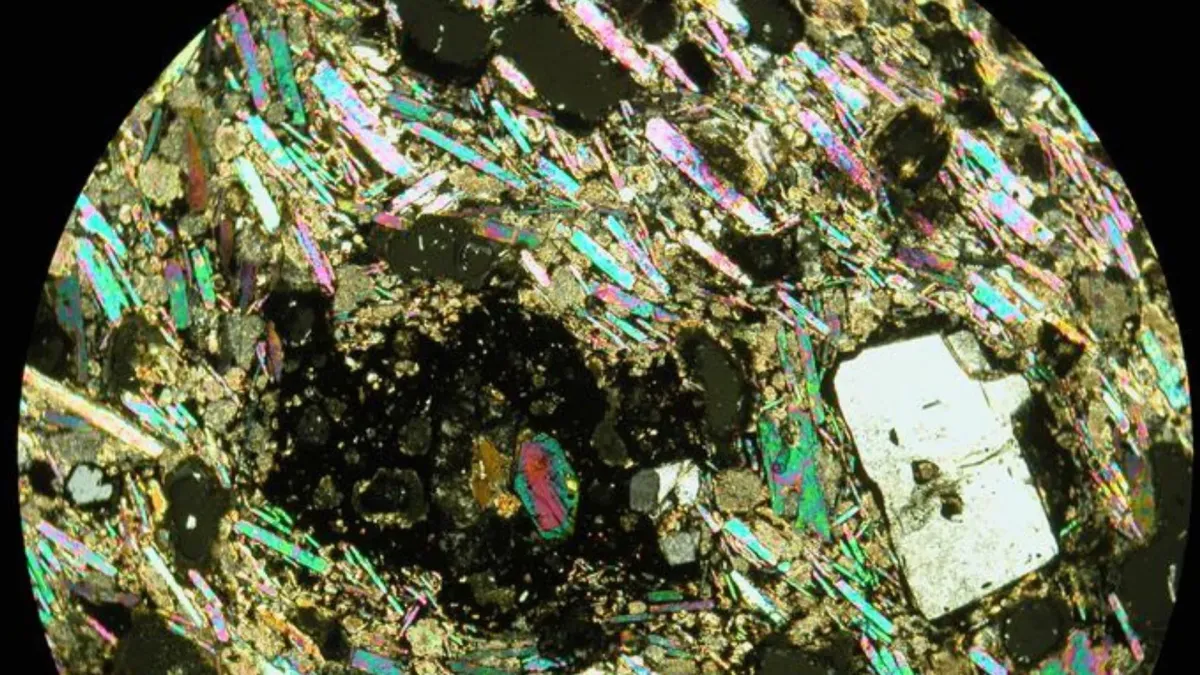
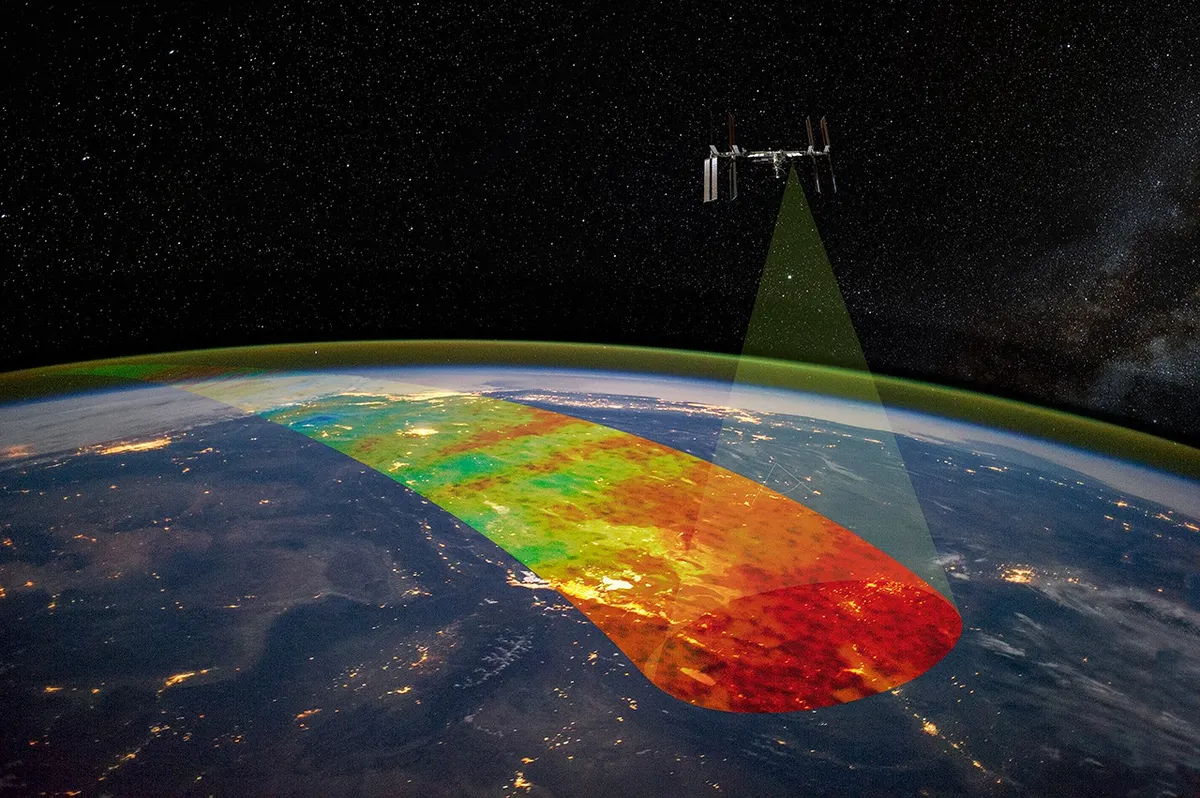
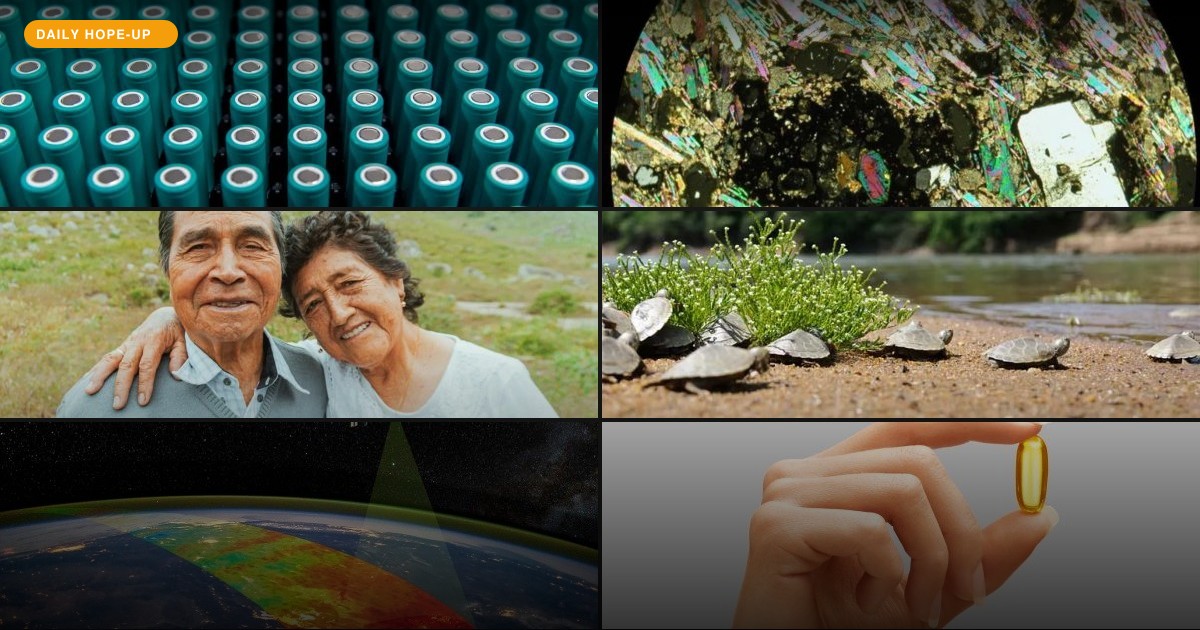
Imagine needing a rare earth element for your smartphone, your EV, or that massive wind turbine, and realizing one country holds all the keys. That's been the reality. Until now. A team at Cambridge just published a new global map revealing where critical rare earths are hiding, finally giving the world a better chance at diversifying its supply chain. This isn't just about rocks in the ground; it's about shifting geopolitical power and stabilizing the future of green tech. Meanwhile, in China, researchers developed a solid-state lithium-metal battery that charges in three minutes and lasts for 700 cycles. If that sounds like something out of science fiction, you're not wrong – it could redefine energy storage and transportation. These developments, one mapping what's beneath our feet and the other supercharging what's next, are quietly building the physical foundations for a cleaner, more independent future. If you've been wondering how we're actually going to build all this new green tech, this week offered some compelling answers.
"The smartphone, the electric vehicle, and the massive wind turbines powering the local grid all share a single, glaring vulnerability. These tech run on rare earth elements. And right now, China controls almost all of them. But this could soon change, thanks to a major scientific discovery about how these elements form."
Wait—What is Brightcast?We're a new kind of news feed.
Regular news is designed to drain you. We're a non-profit built to restore you. Every story we publish is scored for impact, progress, and hope.
Start Your News Detox
The Human Factor: Rewriting the Manual
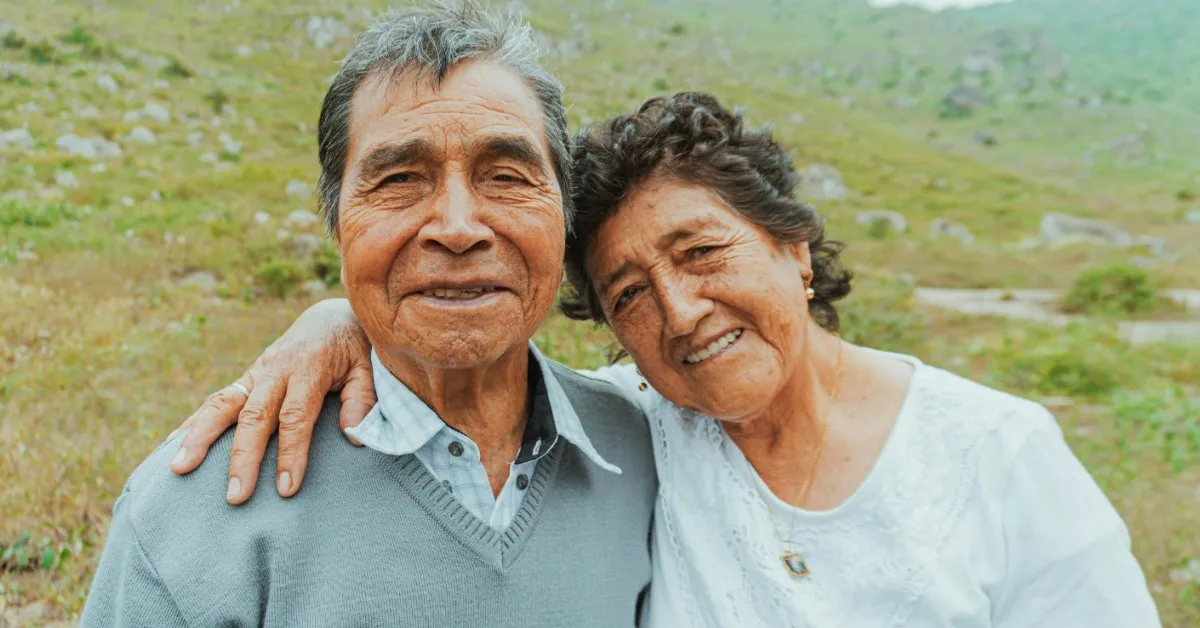
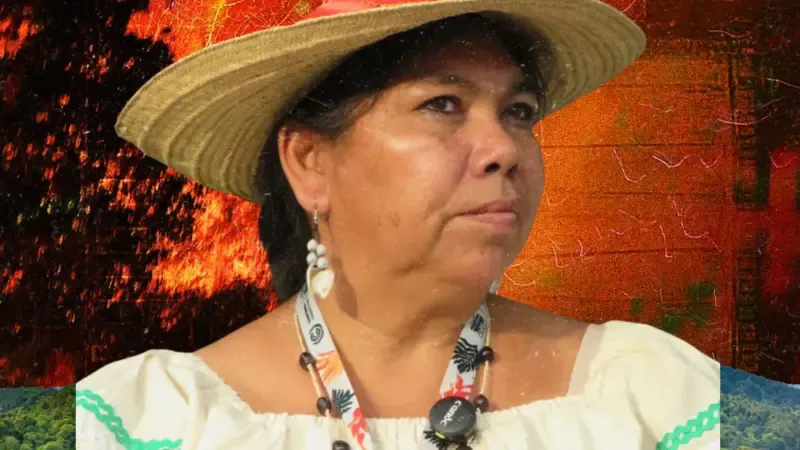
Sometimes, the most profound changes aren't about new tech, but about recognizing what truly makes us thrive. A global study in PLOS Global Public Health found that both men and women live longer in countries with greater gender equality. Every 10% leap in gender equality corresponded with a higher life expectancy. This isn't just a feel-good statistic; it's a measurable impact on human longevity. Speaking of human impact, in Bolivia, when devastating wildfires struck, it was Indigenous women like Rosa Pachurí Paraba who led the response, using ancestral knowledge to guide recovery efforts. Their resilience and understanding of the land are literally rewriting the manual on disaster management. These stories remind us that equality isn't just a moral imperative; it's a powerful tool for public health and planetary survival.
The Quiet Return of the Wild
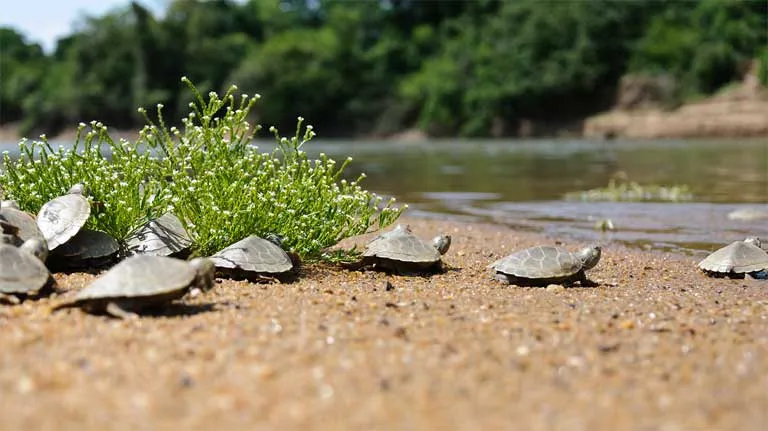
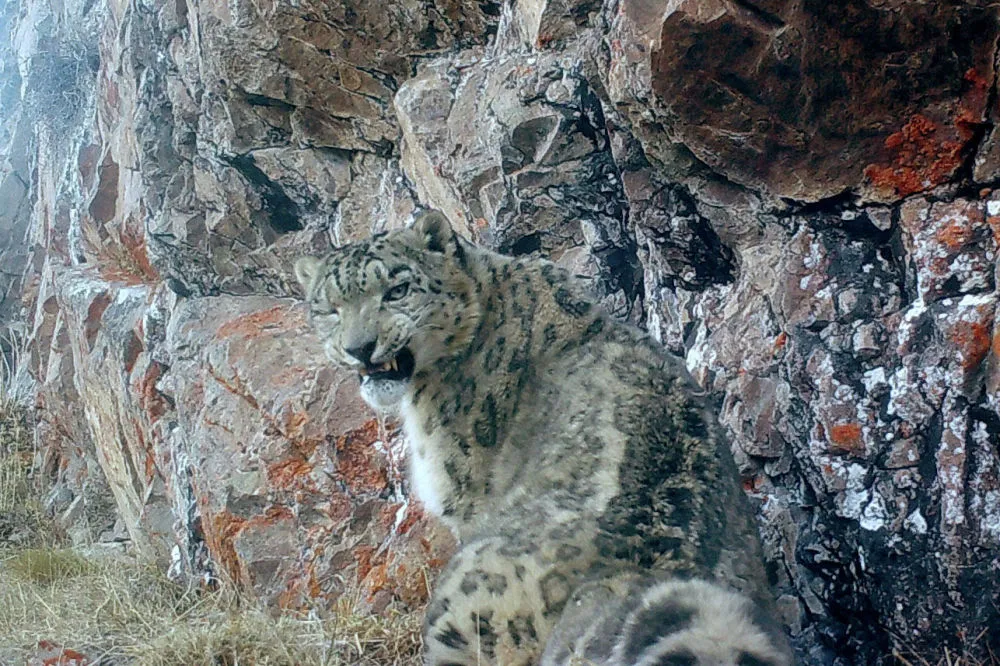
Nature, it turns out, is remarkably stubborn when given half a chance. On World Turtle Day, we learned about turtles that were thought extinct but just… walked back onto an island. It's a testament to the power of persistence, both for the turtles and for the conservationists who never gave up. Meanwhile, in Kyrgyzstan, the "ghosts of the mountains" — snow leopards — just received a major win: a new 2-million-acre climate-proof home. This isn't just a preserve; it's a climate-ready corridor designed to allow these elusive creatures, and the herders who coexist with them, to adapt to a changing world. These are not isolated incidents but rather proof that dedicated conservation efforts, even against overwhelming odds, can yield genuine, tangible comebacks.
Hope stat: 10% — the increase in gender equality that corresponds with higher life expectancy for both men and women.
Watch this space: Researchers continue to map the subtle, yet profound, ways our social structures influence our very biology.