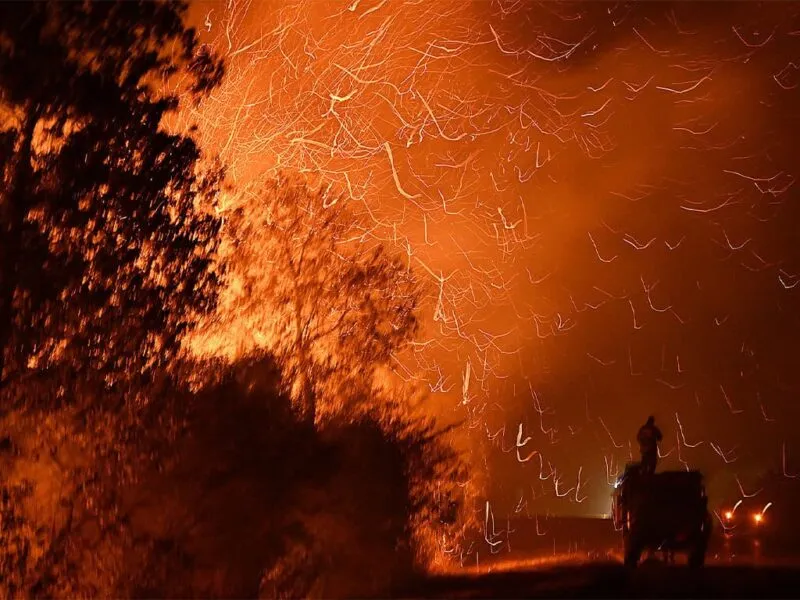
Bolivia just experienced its worst forest fire disaster in recorded history. Over 12.6 million hectares burned in 2024 — more than double the damage from 2019. To put that in perspective, imagine an area the size of Cuba going up in smoke. And in the heart of it all, indigenous women are taking charge, because apparently, someone has to.
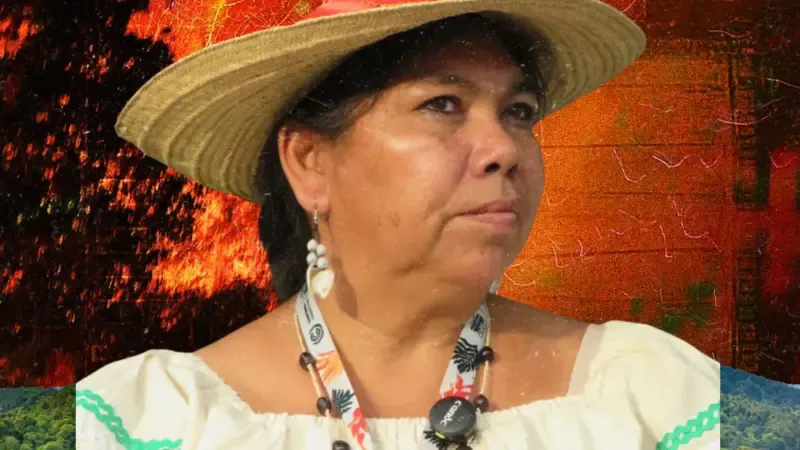
The Chiquitanía region was hit particularly hard, leaving indigenous communities without forests, crops, or even clean water. Rosa Pachurí Paraba, a leader in the Regional Organization of Chiquitana Indigenous Women (ORMICH), is on the front lines, trying to piece her community back together. She remembers a childhood of cassava soup with fresh fish. Now, thanks to fires and drought, that meal is just a memory.
The numbers are grim. The Ombudsman’s Office reported that Santa Cruz, one of Bolivia’s departments, lost 8.5 million hectares — roughly 68% of its entire landmass. The Chiquitano Dry Forest, the largest and best-preserved tropical dry forest in South America, has been decimated. An analysis of the 2019 fires showed how the ground loses its vital humus layer, destroying the invertebrates and fungi that keep the ecosystem alive. The soil becomes infertile, and the seed bank, crucial for regrowth, is almost entirely wiped out.
We're a new kind of news feed.
Regular news is designed to drain you. We're a non-profit built to restore you. Every story we publish is scored for impact, progress, and hope.
Start Your News DetoxLeading the Charge from the Ashes
By September 2024, the government finally declared a national disaster, but local mayors like Jorge Vargas Roca were already expressing helplessness. With only a handful of volunteer firefighters for half a million burning hectares, the state response was, shall we say, insufficient.
That's where women like Rosa Pachurí Paraba stepped in. ORMICH, representing 800 women across five provinces, provided shelter and resources. Their “Casa Grande” became a hub for handicrafts and cosmetic products, offering a lifeline when everything else was burning. The trauma runs deep; families lost not just forests, but their homes and livelihoods. Elizabeth Arteaga from another community lost her family's crops, and her father-in-law died because his lungs couldn't handle the smoke.
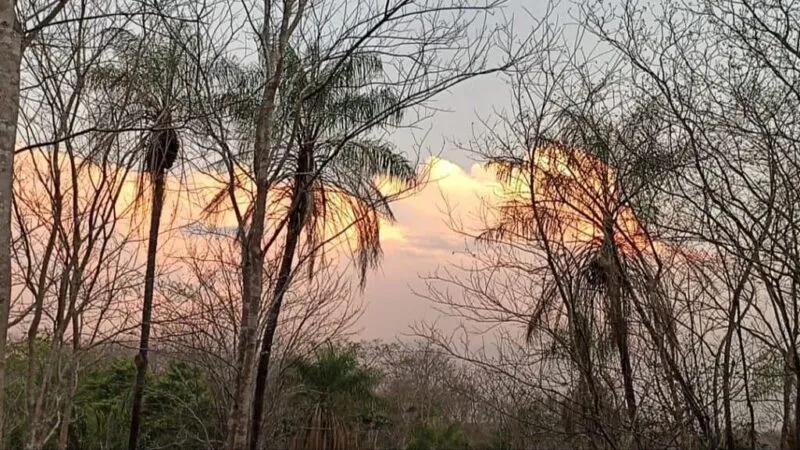
When the official help was slow or nonexistent, communities organized themselves. Women took on major leadership roles, forming environmental monitors to watch for heat spots. With some international support, Chiquitano communities now have evacuation plans and trained brigades — the first time resources were allocated based on fire forecasts. Because sometimes, you just have to do it yourself.
With harvests still struggling due to a climate that's as unpredictable as a toddler, communities have revived an ancient practice: barter. If one family has corn and another has peanuts, they trade. It’s their main food security safety net, and a powerful reminder that sometimes the oldest solutions are the best ones.
Recovery in Chiquitanía is a two-pronged approach: evidence-based public policies (when they eventually appear) and a fierce return to ancestral wisdom. A 2023 study highlighted how Bolivia’s Monkox people developed controlled burning protocols, fire monitoring, and conservation policies, all centered on their traditional knowledge, complemented by modern tech. Fire, in their hands, is a tool for fertilizing and aerating the soil, passed down through generations.
In the face of unprecedented disaster, these communities are demonstrating that true resilience isn't just about rebuilding; it's about remembering what worked for centuries.