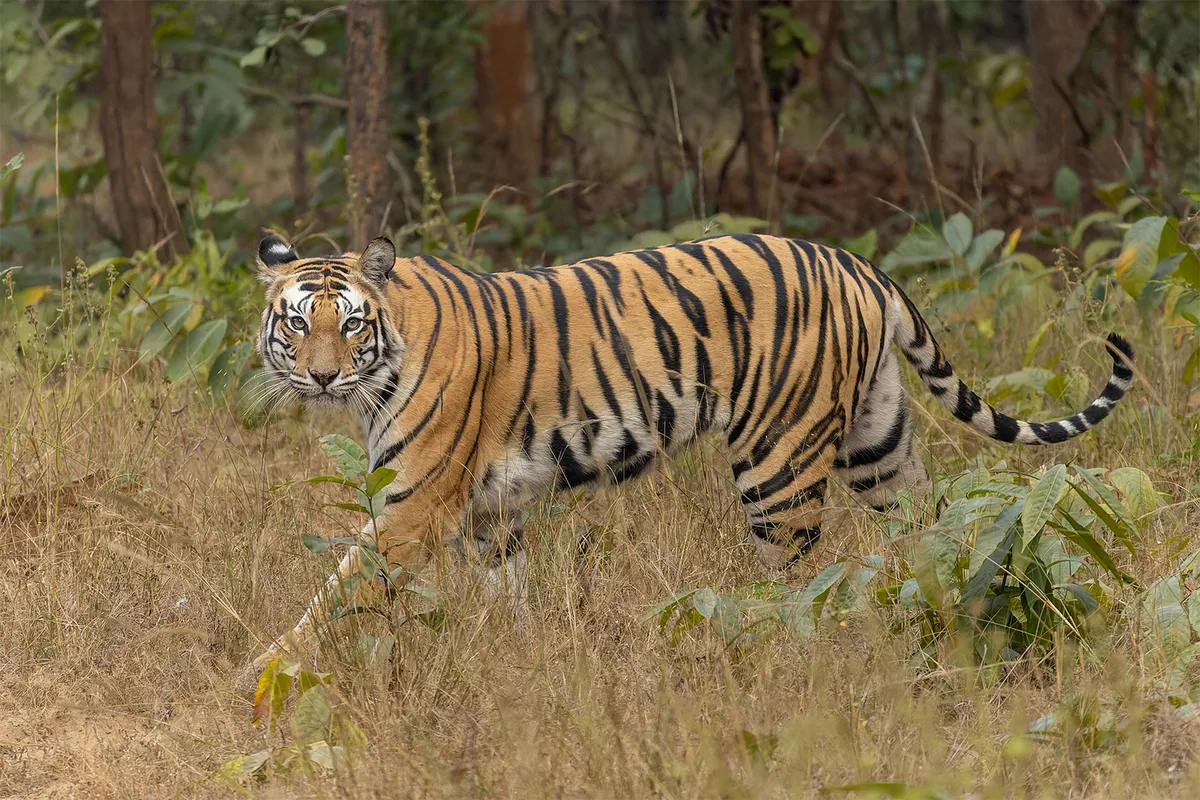
Nepal has a tiger problem. Specifically, a problem of too many tigers, which, if you think about it, is a pretty good problem to have. Thanks to some seriously successful conservation efforts, the Bengal tiger population has exploded from a mere 121 in 2009 to a roaring 355 in 2022. Let that satisfying number sink in.
But here's the rub: more tigers mean more chances for them to meet humans, and those meetings don't always end well. Between 2019 and 2023, 38 people lost their lives to tiger encounters. The authorities, in response, captured 15 of these 'problem' tigers, currently housed in holding centers that sound less like a tiger's dream home and more like an expensive waiting room.
Turns out, keeping a tiger on ice costs about $10,000 a year, per tiger, just for food. That's a lot of kibble, even for a big cat. So, Nepal's bright idea? A new, dedicated 50-hectare (124-acre) park in the Durganar–Tikauli forest, right next to Chitwan National Park. Think of it as a retirement village for tigers who've had a few too many run-ins with the locals.
We're a new kind of news feed.
Regular news is designed to drain you. We're a non-profit built to restore you. Every story we publish is scored for impact, progress, and hope.
Start Your News DetoxThe goal is for this new park to be self-sufficient, funded by ticket sales. Visitors could potentially observe these magnificent (if a little misunderstood) creatures in a more natural habitat, complete with tall grass for hiding — a definite upgrade from a concrete cage. It's a clever way to give these specific tigers more space, alleviate the financial burden, and keep both humans and tigers safer. Because, as research shows, it's really only a handful of tigers causing all the kerfuffle. The rest are just out there, living their best, striped lives.