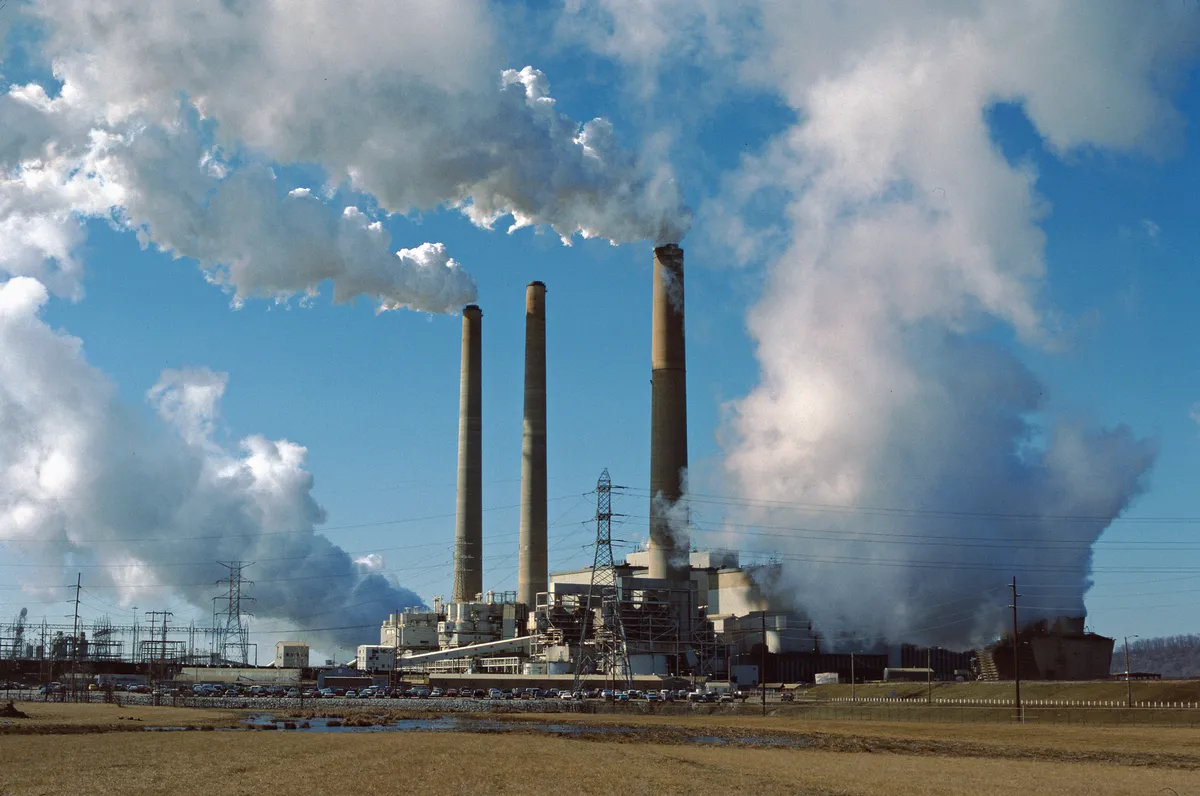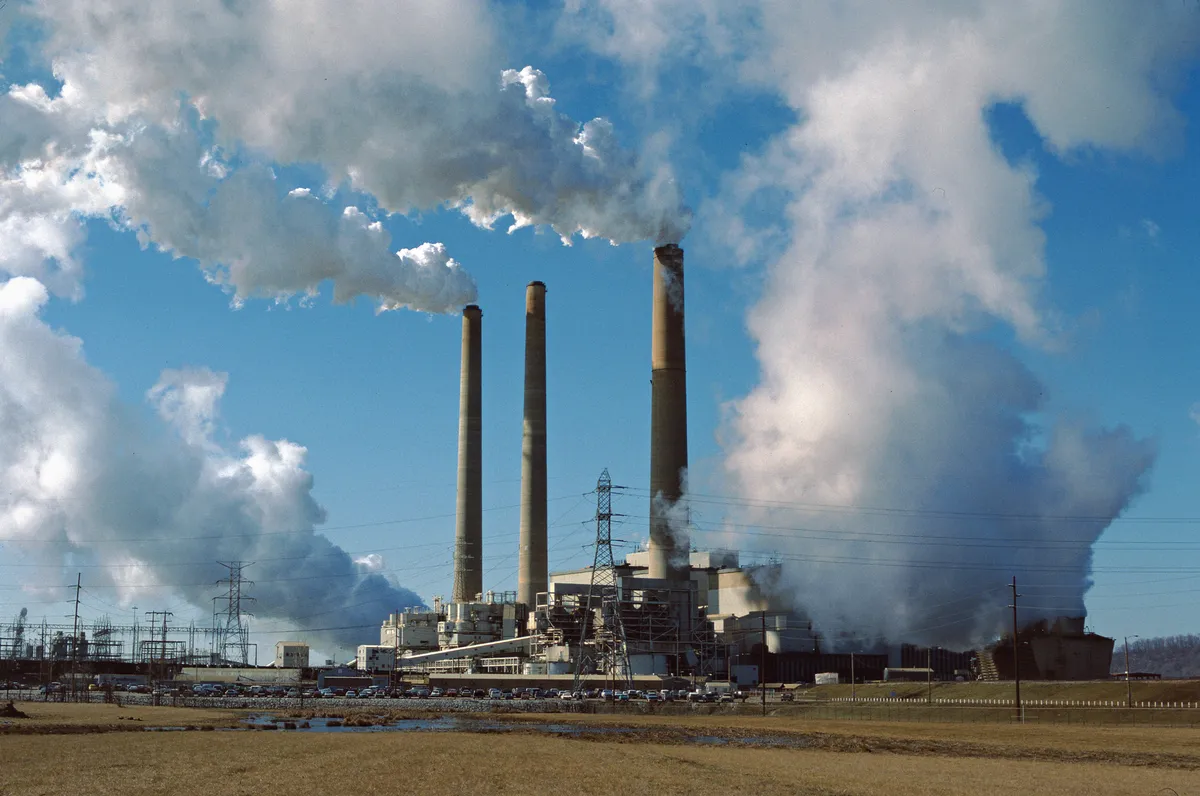
Here’s a head-scratcher for your next dinner party: The world actually used less coal in 2025. Good news, right? Well, yes, but also no. Because while the amount of power we generated from the black stuff dipped by 0.6%, our global capacity to burn it actually grew by 3.5%. It’s like clearing out your closet but buying three new outfits just in case.
Most of this industrial-scale hoarding happened in China. The country, which already leads the world in coal consumption, added a whopping 78.1 gigawatts of new coal power capacity last year. That’s enough to power roughly 58 million homes, just sitting there. Why? Because apparently, it’s the ultimate energy security blanket.

The kicker? Despite all that new capacity, China’s actual coal use fell by 1.2%. Meanwhile, its overall energy demand went up. So what picked up the slack? Wind and solar, which met over 90% of China's increased energy needs. Let that satisfying number sink in.
We're a new kind of news feed.
Regular news is designed to drain you. We're a non-profit built to restore you. Every story we publish is scored for impact, progress, and hope.
Start Your News DetoxIndia is on a similar, slightly contradictory, path. It also beefed up its coal power capacity in 2025. But, for the first time ever, renewables now make up more than half of India’s total power capacity. The country added record amounts of solar and wind, proving that you can walk and chew gum (or, in this case, build and decarbonize) at the same time.
So, why the bizarre boom in coal plants if everyone’s leaning green? According to Christine Shearer, who led the report, most of these new coal facilities in India and China were planned years ago. You know, back when renewables were still the expensive, niche option. By the time these plants finally came online in 2025, the energy landscape had already shifted. Cheaper, cleaner alternatives were readily available. Which, if you think about it, is both impressive and slightly awkward for the new plants.