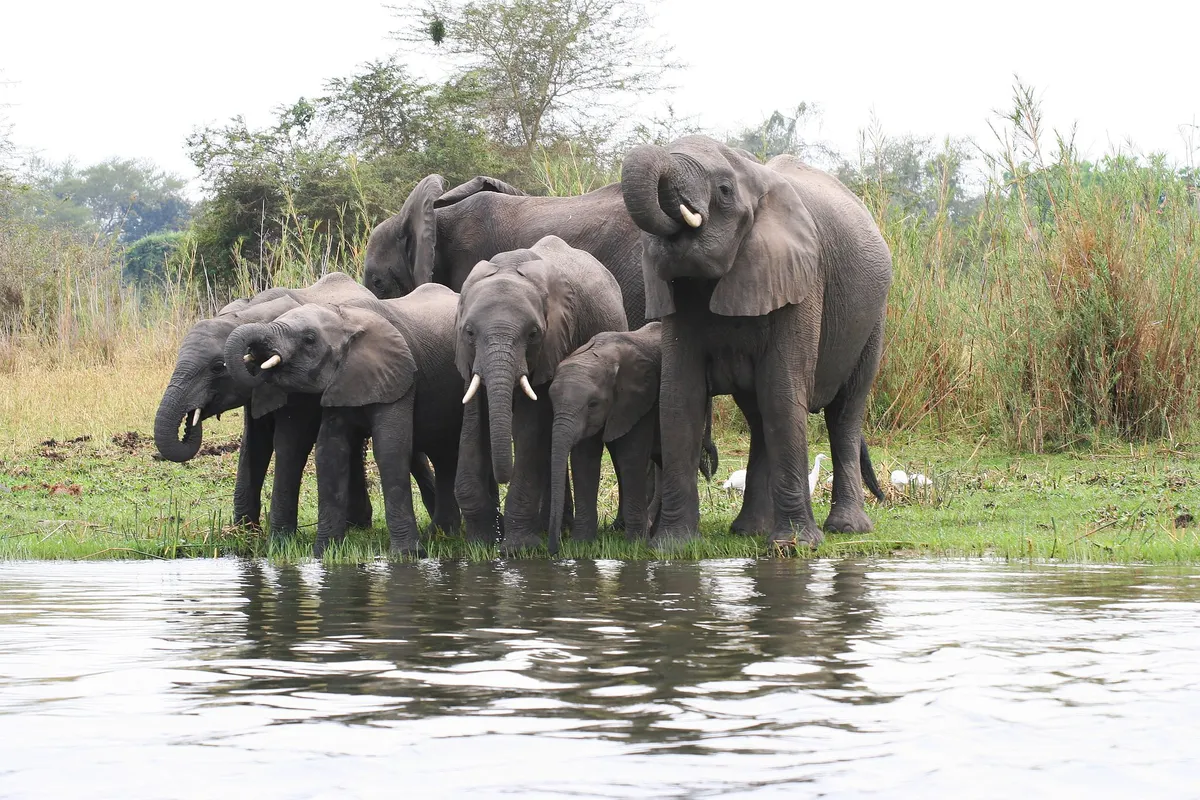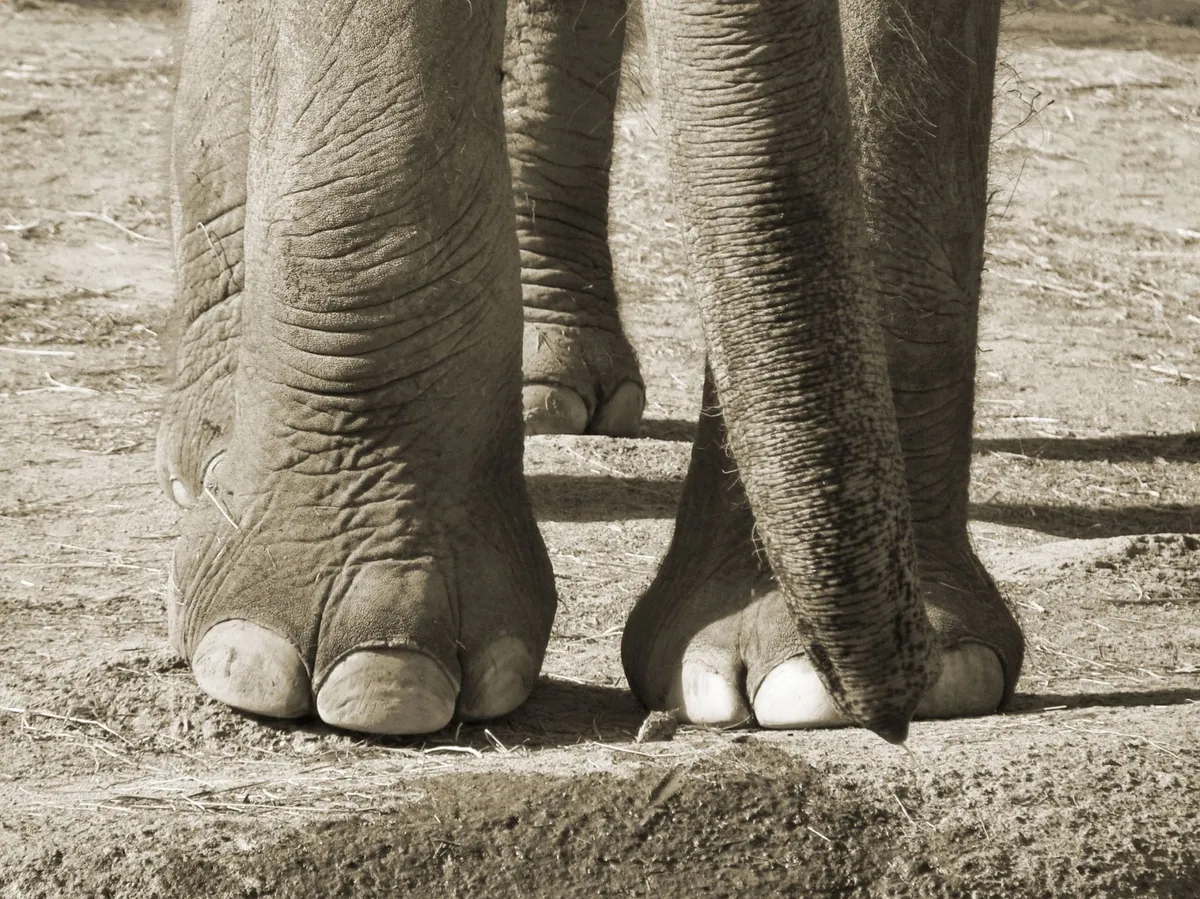
Kariba, an African elephant, has lived alone in a Belgian zoo for years. Julie, also an African elephant, has been with the Cardinali circus in Portugal since 1988. She was caught in the wild and sold to a German zoo before the circus family bought her. Both elephants are in their 40s and are about to start a new life.
A New Home in Portugal
Julie and Kariba will soon move to Europe's first large-scale elephant sanctuary. This sanctuary is run by the charity Pangea in Portugal's Alentejo region, about 124 miles (200 kilometers) east of Lisbon. It took ten years to develop and is built on a former cattle ranch. Conservation workers have been preparing the land for the elephants' arrival.
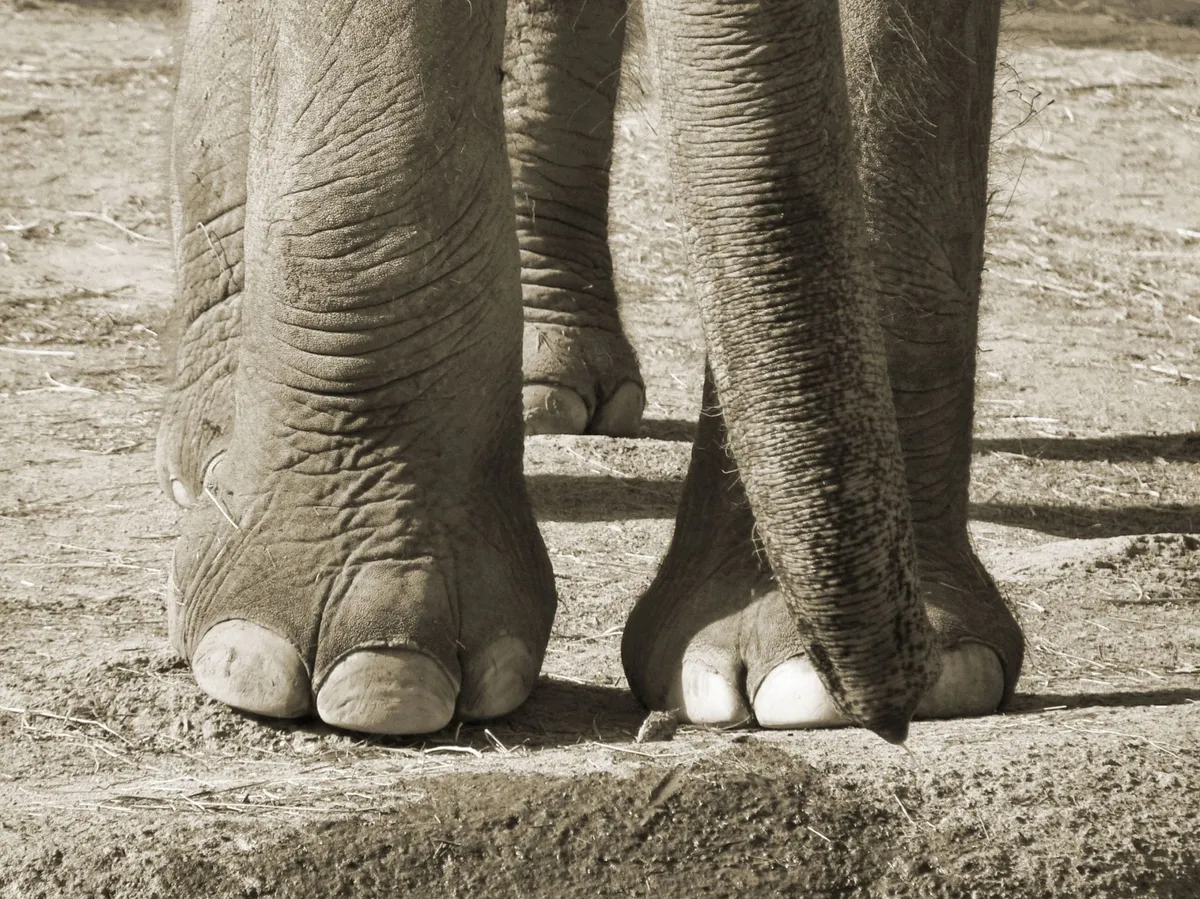
The sanctuary will not be open to the public. Kate Moore, Pangea's managing director, says the goal is to give the elephants autonomy. She explained that Kariba and Julie will live in a large natural habitat. There, they can roam freely, bathe, and socialize in groups. Moore noted that elephants are very intelligent and have complex needs, making this autonomy crucial.
We're a new kind of news feed.
Regular news is designed to drain you. We're a non-profit built to restore you. Every story we publish is scored for impact, progress, and hope.
Start Your News DetoxThe Impact of Captivity
Life expectancy for elephants is much lower in captivity. African female elephants in zoos live about 17 years on average. In the wild, they live about 56 years, not counting human-caused deaths. For Asian elephants born in captivity in North America and the EU, about 30% die in their first year. For wild African elephants, this rate is 10 to 15%.
Around 600 elephants are still in captivity across Europe. Thirty-six live alone in zoos, and about 40 still perform in circuses. Many of these elephants were caught in the wild in the 1980s, like Julie and Kariba. They are now nearing the end of their natural lives.

Finding Solutions for Elephants
Portugal banned wild animals in circuses, with the law fully taking effect in 2025. Julie is the last animal to be rehomed under this law, thanks to an agreement between Pangea and the Cardinali family. Vítor Hugo Cardinali, the circus director, said it was a difficult decision because Julie had been a loved family member for decades, but they believe it's the right choice for her.
Kate Moore points out that bans don't work if there's nowhere for the animals to go. Countries pass laws but then struggle because there's no place to house the animals. Moore says circuses and zoos are finding it harder to keep elephants. Pangea works with owners to find good solutions for these animals.
Restoring Land with Elephants
The sanctuary currently covers 70 acres (28 hectares). Pangea plans to expand it to about 1,000 acres (405 hectares) as fundraising continues. At that size, it could support 20 to 30 elephants.

The sanctuary is in a region where straight-tusked elephants once lived across the Iberian Peninsula about 40,000 years ago. Pangea is restoring the land using rewilding methods. The elephants are expected to help with this process. They will not just live there but also actively change the plants and environment around them.
Moore believes elephants can strengthen ecosystems if their numbers are managed correctly. She sees this as a chance to observe how the elephants interact with the land and how the land responds to them.