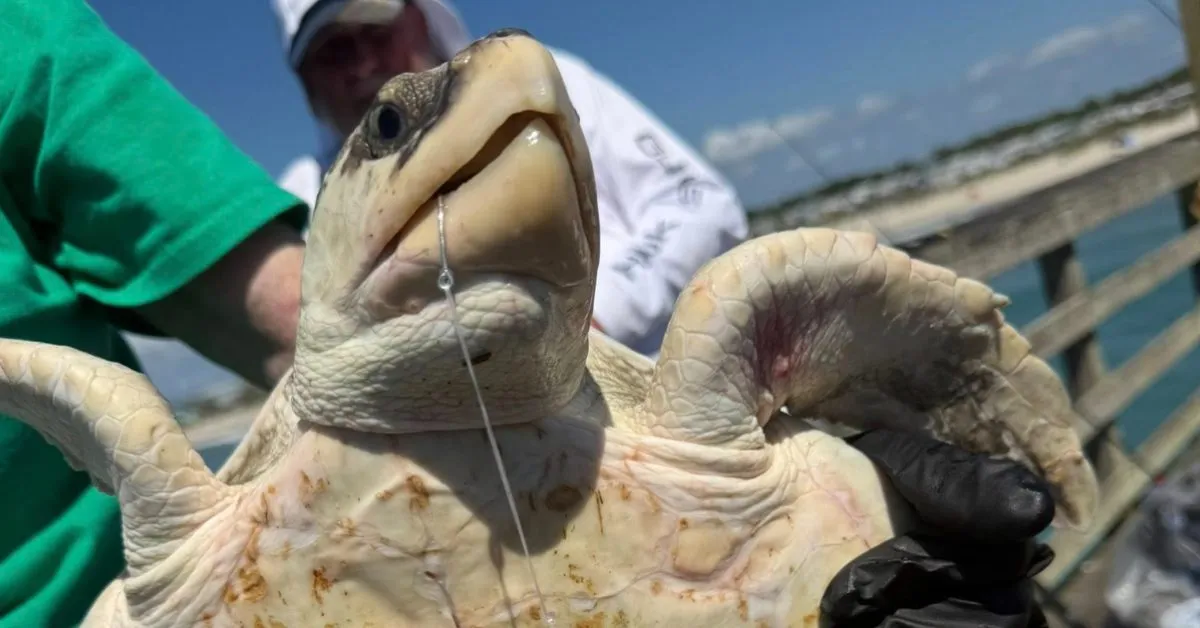
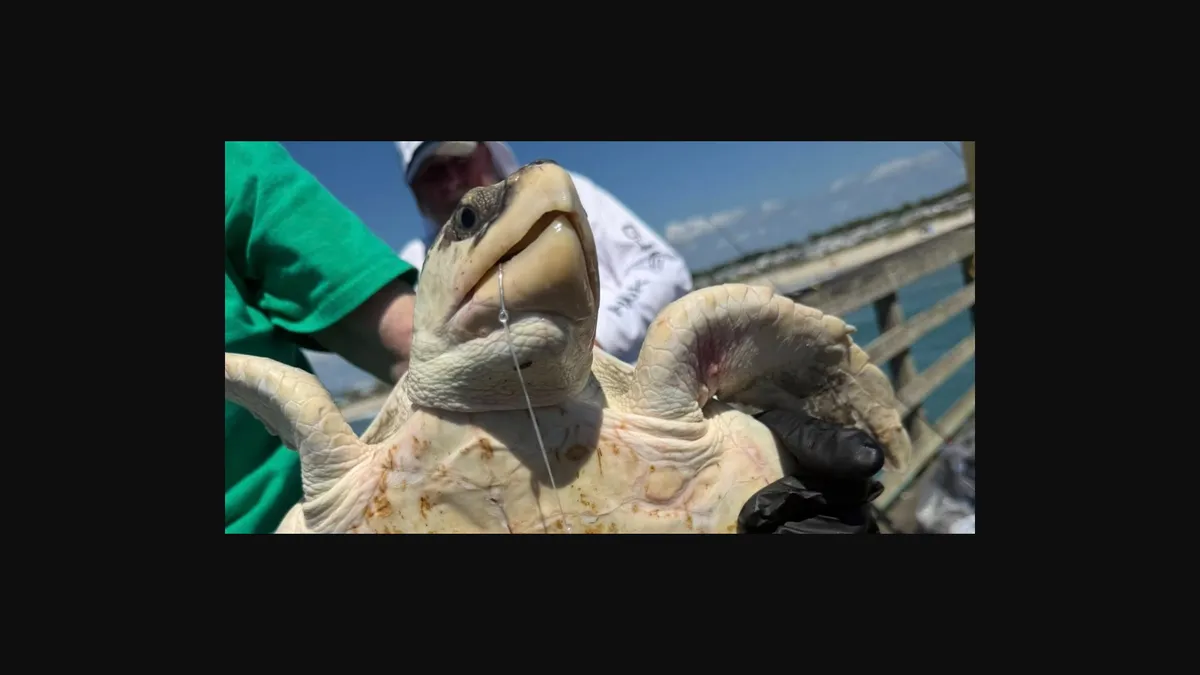
On May 20, a fisherman accidentally hooked a sea turtle from a pier in Emerald Isle, North Carolina. The fisherman, Jeshua Rios, quickly called the local Emerald Isle Sea Turtle Patrol for help.
The patrol's Nest Response Team, Laurie Conrad and Neva Tucker, arrived. They removed the hook without hurting the turtle. Then, they released the turtle from the beach.
This rescue happened just nine days after another Kemp’s ridley was hooked at the same pier. Sadly, that turtle died before the patrol could arrive. The organization stressed the importance of properly disposing of fishing line.
We're a new kind of news feed.
Regular news is designed to drain you. We're a non-profit built to restore you. Every story we publish is scored for impact, progress, and hope.
Start Your News DetoxProtecting Endangered Sea Turtles
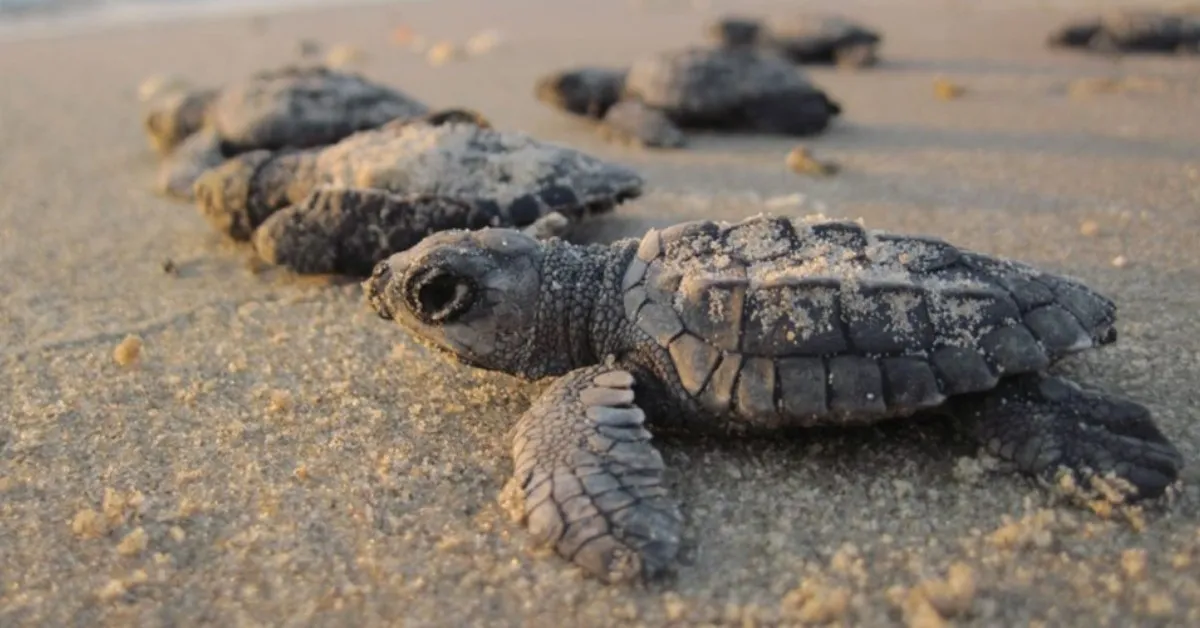
Kemp’s ridley sea turtles are the smallest and most endangered sea turtle species globally. This makes every rescue mission incredibly important. The species has been protected under the Endangered Species Act since 1970.
Since 1978, recovery efforts with Mexico have helped bring these turtles back from near extinction. Mary Kay Skoruppa, the Sea Turtle Coordinator for Texas, called saving the Kemp’s ridley "one of the greatest ESA success stories of our time."
She noted that efforts over the last 50 years are working. More Kemp’s ridley sea turtles are now nesting in the U.S. and Mexico.
How Conservation Efforts Help
One key part of the survival plan involves organizing patrols on nesting beaches. These beaches are in Mexico, Florida, and Texas. Patrols find, count, and protect vulnerable nests from predators, poachers, and human activity.
Skoruppa finds it rewarding to see public support for these programs. People travel from all over to see the hatchlings released.
Beyond nest monitoring, individual rescue efforts like the one in Emerald Isle are crucial. Skoruppa explained that releasing a sea turtle back into the water is a special feeling. Even saving one turtle gives it a second chance, and every individual is vital for the species' survival.