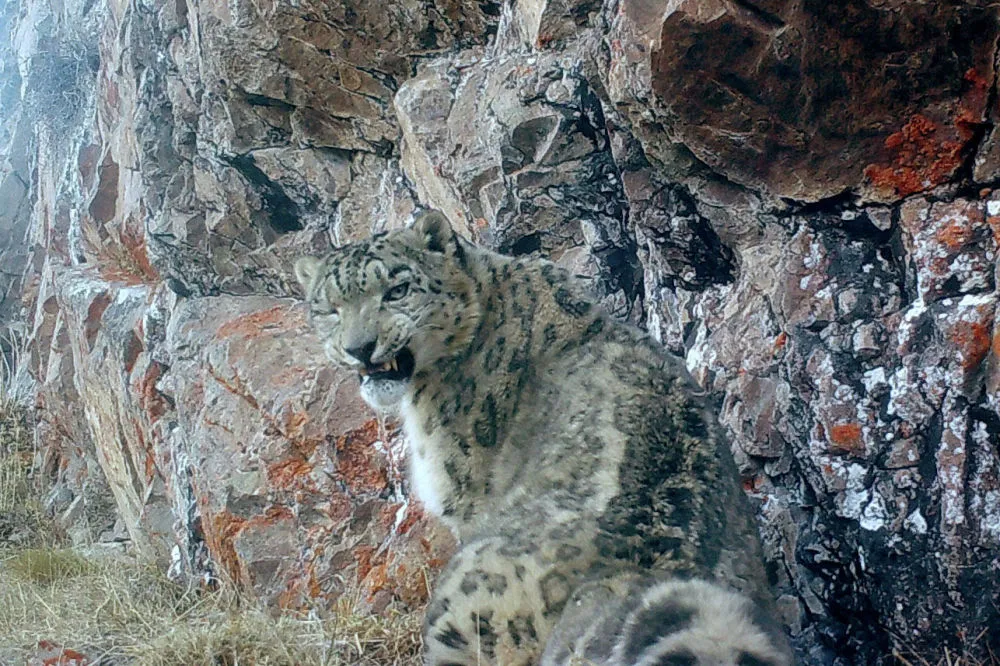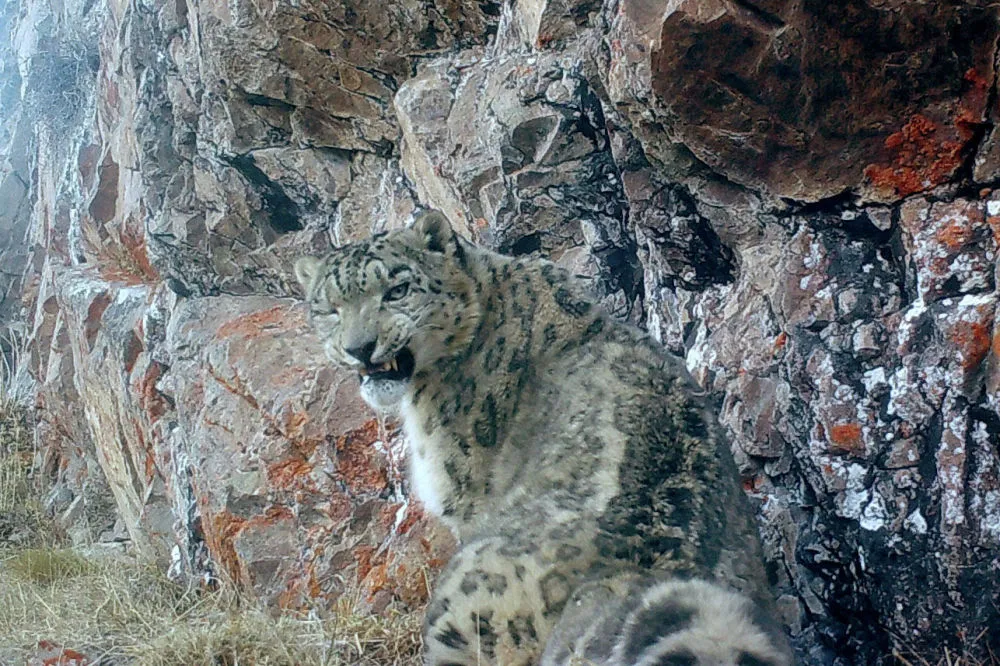
Snow leopards are called the "ghosts of the mountains" for a reason. These elusive cats are so good at hiding, nobody's entirely sure how many are left. Estimates range from a hopeful 7,500 to a more concerning 3,500 across 12 countries. Which, for a creature that looks like it walked out of a fantasy novel, is a tragically small number.
Good news, though: Kyrgyzstan, where the snow leopard is basically a national mascot, just threw them a lifeline. Home to about 300 of these magnificent felines, the country has unveiled a new ecological corridor that's less a path and more an entire, climate-ready kingdom.

Room to Roam, Even When the Climate Changes
Meet the Ak Ilbirs corridor — "white leopard" in Kyrgyz — a sprawling 2-million-acre stretch of central Kyrgyzstan. This isn't just a pretty name; it's a massive, multi-ecosystem superhighway connecting several protected areas, giving the leopards (and everything else) plenty of room to stretch their paws. We're talking pastureland, forests, and everything in between, spanning 14 rural areas.
We're a new kind of news feed.
Regular news is designed to drain you. We're a non-profit built to restore you. Every story we publish is scored for impact, progress, and hope.
Start Your News DetoxWhat makes Ak Ilbirs particularly clever is its forward-thinking design. Established in 2025 (yes, a future-proof plan from the future), it's the first corridor in the region built with climate change in mind. Because even ghosts need to adapt to rising temperatures and shifting habitats. Humans also still live, herd, and work within its boundaries, proving that wildlife conservation doesn't always require an exclusion zone. The rules are designed to benefit both the leopards and the local communities, which is a neat trick if you can pull it off.
Maarten Hofman from the U.N. Environment Programme (UNEP) summed it up, noting that projects like this offer a rare glimmer of hope. Turns out, when you give a ghost enough room, it might just stick around.