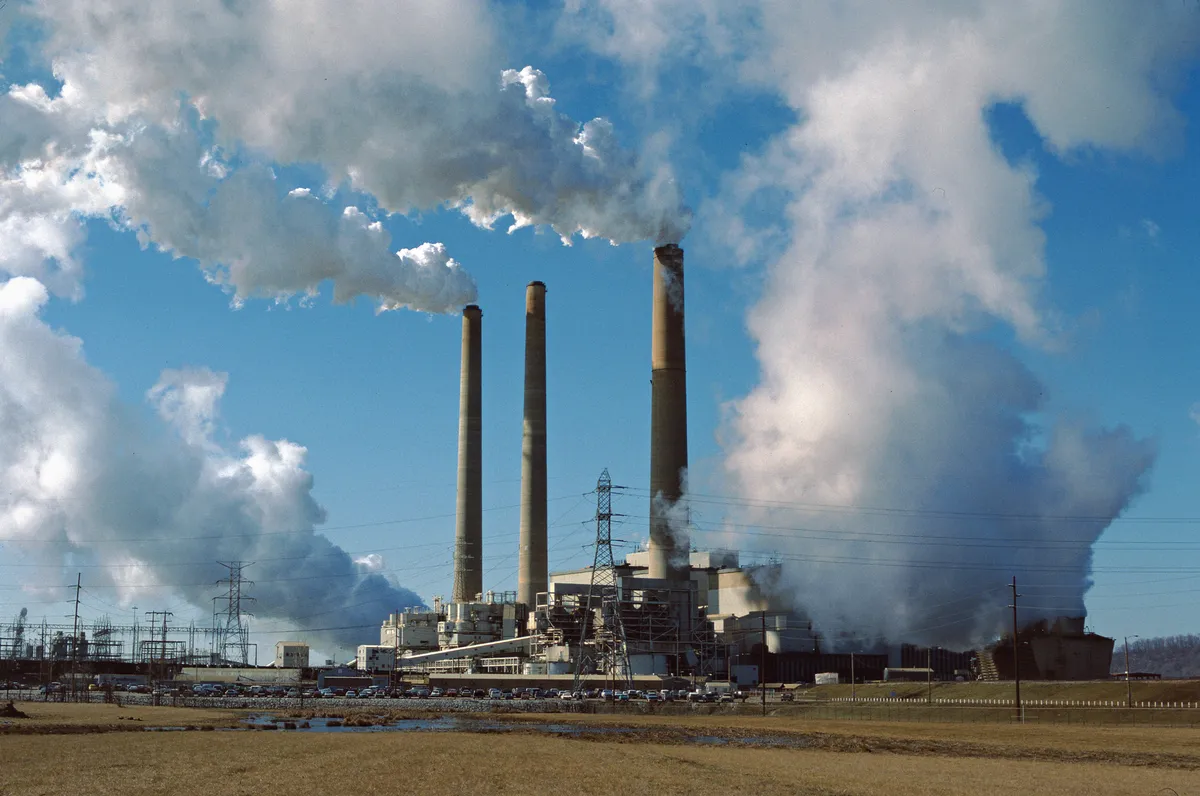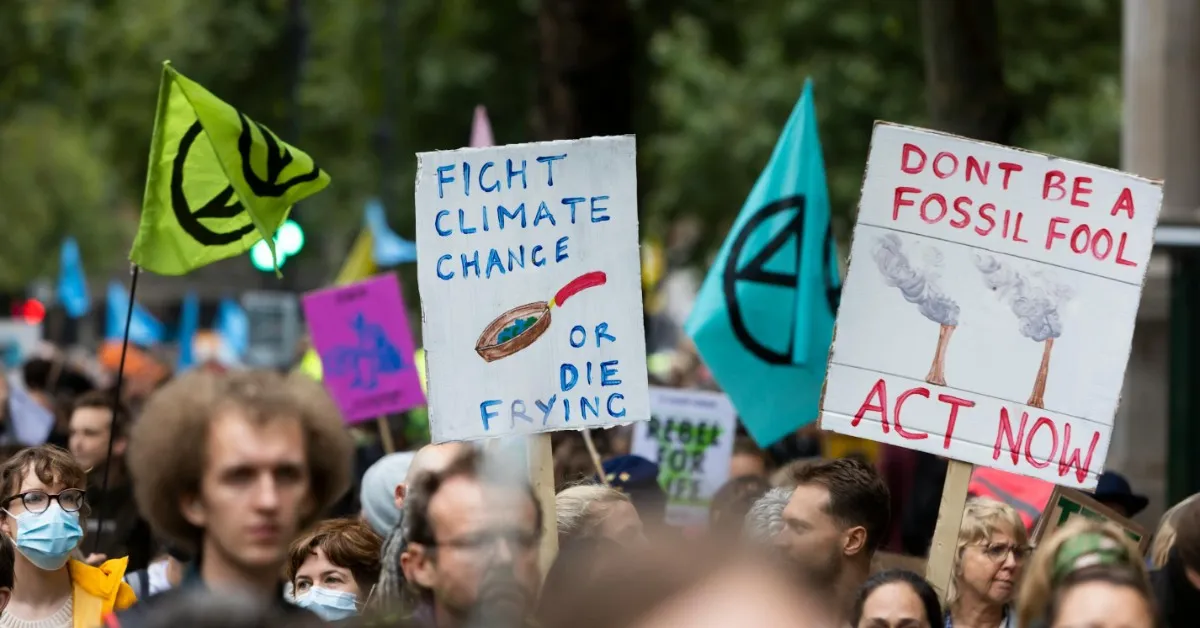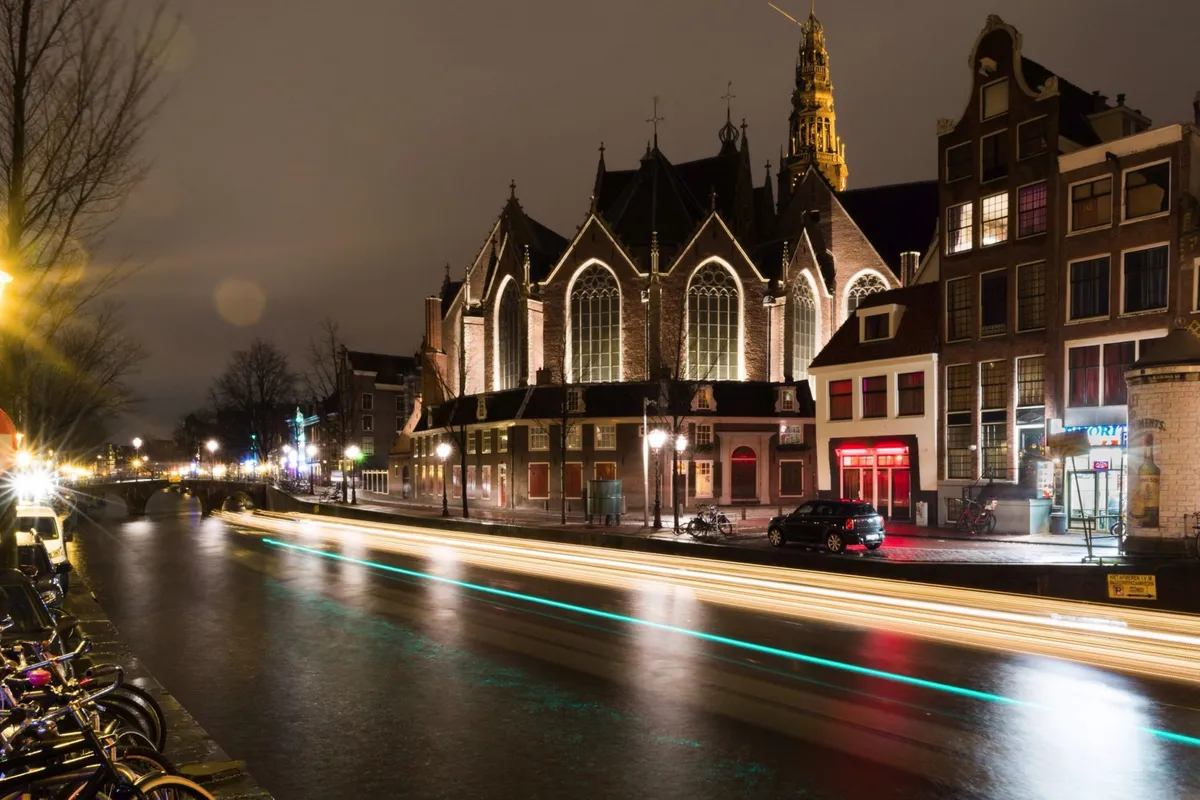
As of May 1st, if you're strolling through Amsterdam, you'll notice something missing from the billboards: juicy burgers, shiny petrol cars, and suspiciously cheap flights. The Dutch capital has officially become the first city on Earth to ban public advertising for both meat and fossil fuel products. So instead of a giant chicken nugget beckoning you, you might get a lovely ad for the Rijksmuseum.
Because apparently, that's where we are now. And it's a deliberate choice.
The Climate Diet
This isn't just about tidying up the streets; it's a bold move to get Amsterdam to carbon neutral by 2050 and, perhaps more provocatively, to halve meat consumption in the same timeframe. The GreenLeft Party and Party for the Animals spearheaded the new rules, shrugging off industry complaints as, well, industry complaints.
Anneke Veenhoff from the GreenLeft Party put it simply: if a city wants to lead on climate policy, it probably shouldn't be actively promoting the things that undermine those goals. Which, when you think about it, makes a certain amount of sense.
We're a new kind of news feed.
Regular news is designed to drain you. We're a non-profit built to restore you. Every story we publish is scored for impact, progress, and hope.
Start Your News DetoxWhat's particularly interesting is how Amsterdam is lumping meat in with fossil fuels. Before the ban, meat ads were a tiny fraction (0.1%) of the outdoor ad market. So, it's not about volume; it's about making a statement. By putting a burger in the same category as a diesel SUV, the city is reframing your dietary choices as a climate issue. It's a political flex, if you will.
Anke Bakker, who led the charge for the Party for the Animals, pushed back hard against "nanny state" accusations. Her take? This ban gives people more freedom by stopping big corporations from constantly telling them what to eat and buy. The Dutch Meat Association, predictably, called it an "undesirable way to influence consumer behaviour," arguing meat provides essential nutrients. The travel agents? They just saw it as an unfair limit on commercial freedom. Everyone's got a beef, it seems.

The Ripple Effect
Amsterdam isn't entirely alone in this. Haarlem, a mere 18 kilometers west, banned most meat ads in 2022. Utrecht and Nijmegen have followed suit. Other cities like Edinburgh and Florence have restricted fossil fuel ads. France even has a nationwide ban. But when a capital city makes this kind of move, other governments tend to pay attention.
Lawyer Hannah Prins, a key figure in the Fossil-Free Advertising campaign, is calling this a "tobacco moment" for high-carbon food. Remember when cigarette ads were everywhere? Now, not so much. Prins believes what we see in public spaces shapes what we consider normal. And Amsterdam just decided that publicly normalising certain things is no longer on the menu.
Does removing ads actually change behavior? The jury's still out. There's no direct proof that ditching bus shelter burger ads will turn everyone vegan. But Prof. Joreintje Mackenbach, an epidemiologist, sees Amsterdam as a living experiment. Seeing fast food ads constantly normalizes consumption. Take those cues away, and social norms might just shift. A study on London Underground's 2019 junk food ad ban even found fewer people buying those products across the city.

Of course, the ban doesn't touch digital advertising. That cheap flight ad might still pop up in your Instagram feed. But Prins says cities get to decide what their public spaces communicate. And Amsterdam has now made its very clear statement.