Smartphones, electric vehicles, and even those towering wind turbines all have a dirty little secret: they're utterly dependent on rare earth metals. And for the longest time, one country — China — has held the keys to pretty much all of them. Which, if you think about it, is less than ideal for global stability, or, you know, getting your next iPhone.
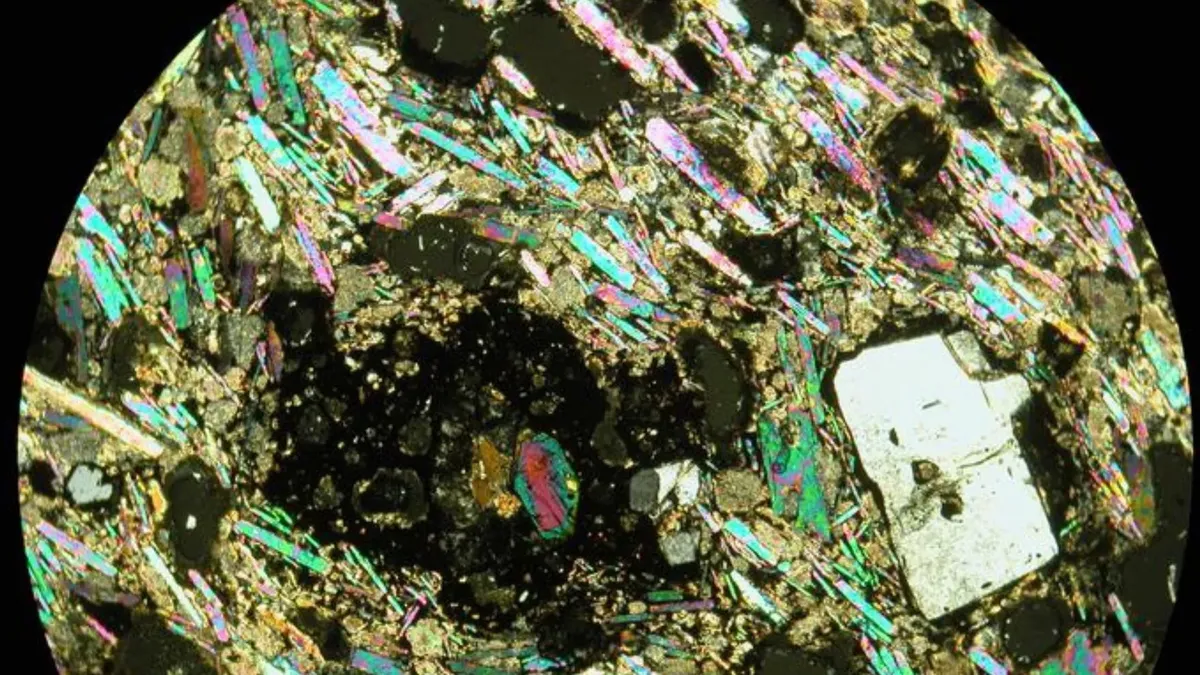
But a team at the University of Cambridge just dropped a bombshell: a new global atlas that completely re-writes the treasure map for these critical elements. Turns out, rare earth deposits aren't some geological lottery win. They've been hiding in plain sight, consistently forming in the oldest, beefiest parts of our continents.
This isn't just a neat academic trick. This is a potential game-changer for nations looking to secure their own supplies and finally break free from relying on a single source for the building blocks of modern tech.
We're a new kind of news feed.
Regular news is designed to drain you. We're a non-profit built to restore you. Every story we publish is scored for impact, progress, and hope.
Start Your News DetoxThe Deep Earth Slow Cooker
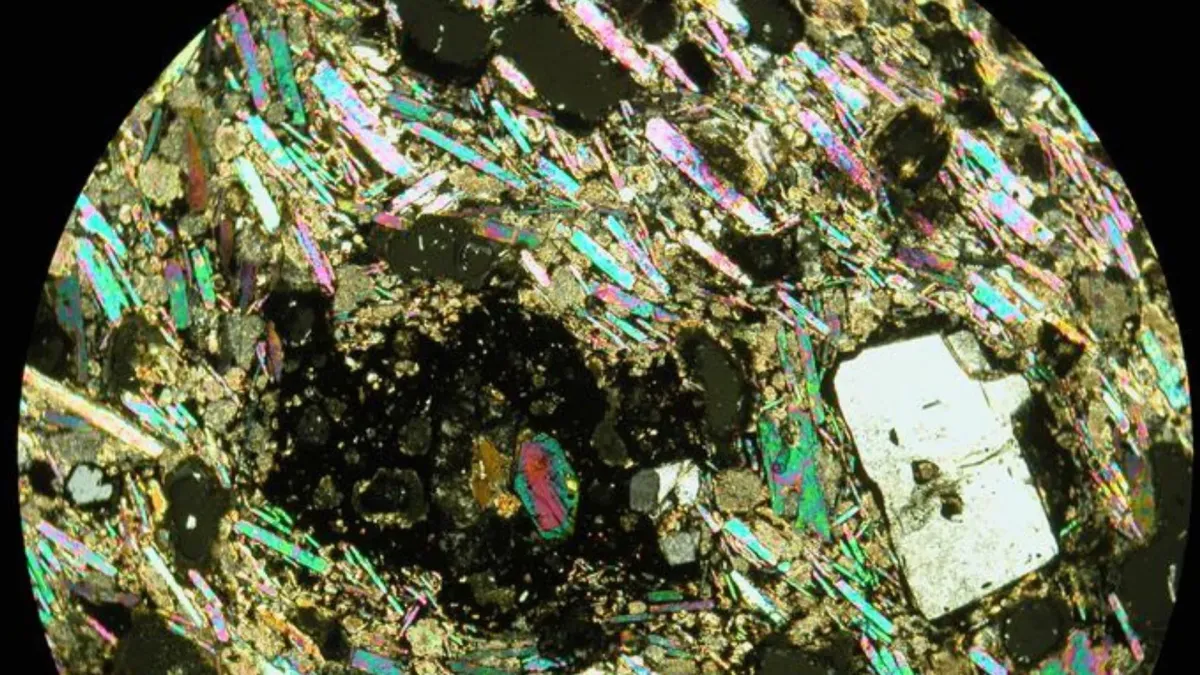
For ages, the CO2-rich rocks that host rare earths were considered geological oddballs. Scientists scratched their heads, wondering why they popped up in such specific, seemingly random spots. Dr. Emilie Bowman and her Cambridge crew decided to stop wondering and start digging — into data, that is.
They hoovered up chemical info from 9,000 rock samples worldwide and married it with advanced seismic wave data, essentially using earthquake echoes to get an MRI of Earth's guts. What they found was a pattern so clear, it practically shouted.
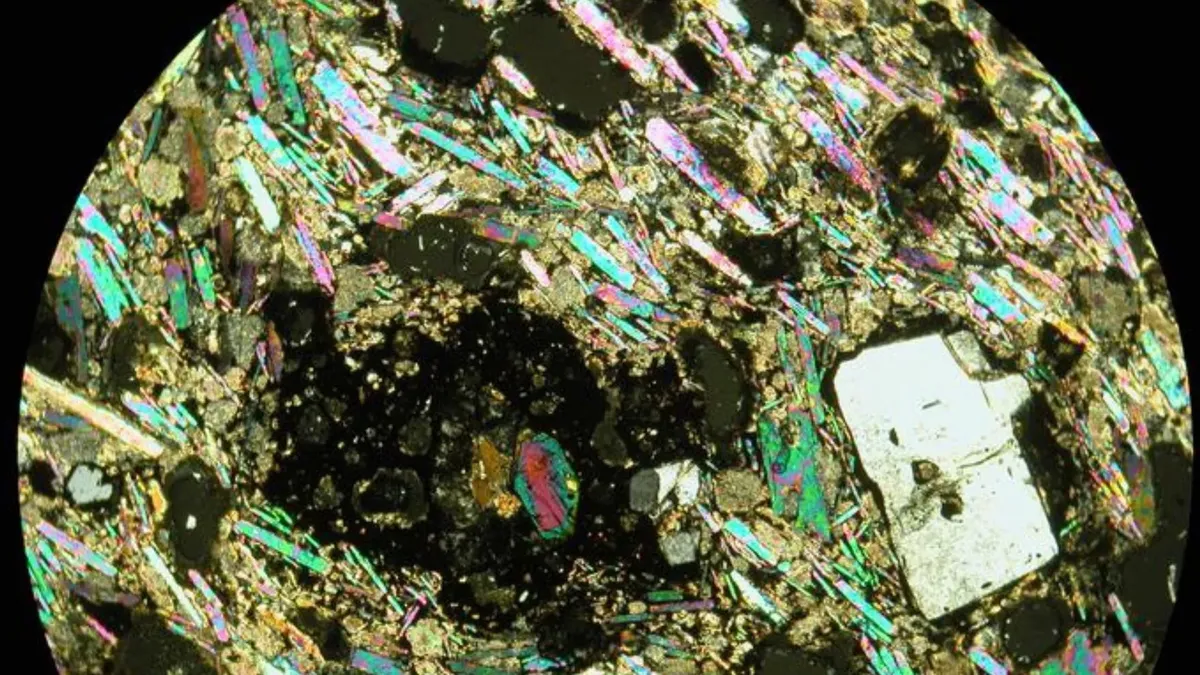
These rare earth-rich rocks were exclusively found along the steep edges of Earth's thickest lithosphere — that rigid outer shell we all live on. Professor Sergei Lebedev, a geophysicist on the team, explains that seismic waves let them create a "slice-through image" of this layer, revealing its thickness dictates where these deposits are found.
Think of a thick lithosphere as a geological pressure cooker. It traps pockets of molten rock deep underground, where rare earth metals slowly concentrate over eons. Beneath the thickest continental cores, the Earth's mantle stays cool and under immense pressure, preventing widespread melting. Only small, super-pressurized magma pockets can form, getting stuck at the base of the crust, slowly soaking up dissolved gases like CO2.
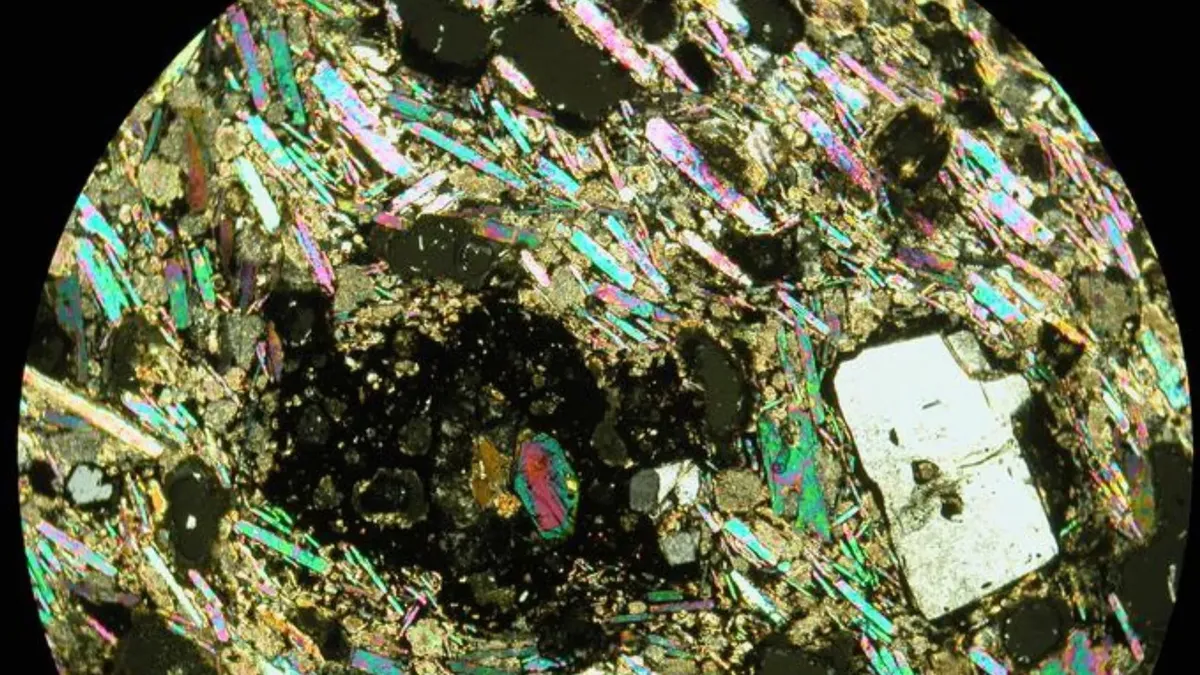
But here's the kicker: that's not enough. You need a second tectonic event to re-melt these rocks, giving the magma a second brew. It's this double-fermentation process that finally concentrates the rare earth elements into something valuable enough to actually mine. Because apparently, even geology likes to make things complicated.
A New Treasure Map
The timing of this discovery couldn't be more poignant. Relying on one country for materials vital to the entire clean energy transition is a security risk that's kept politicians up at night. Everyone's been scrambling for local alternatives, often with little more than a hunch and a prayer.
Now, Bowman says, their research offers "predictive power." It's not just telling us where these rocks are but where they should be. The next step? Tackling rocks older than 200 million years, which is a bit like trying to find a needle in a haystack after the haystack has been through a blender and scattered across several continents.
But if they pull it off, this research could uncover the world's oldest, richest, and most geopolitically secure sources for the very materials that power our green future. So, the next time you scroll through your phone, remember the deep-earth slow cooker working overtime to make it happen. You're welcome.