For centuries, whispers of gold in the Pyrenees rivers have floated through history. Medieval Islamic texts even bragged about the Segre River's gold, claiming it made the best coins. Now, after what feels like a very long treasure hunt, researchers have finally found the sparkling, undeniable proof: Romans were extracting that gold almost 1,700 years ago.
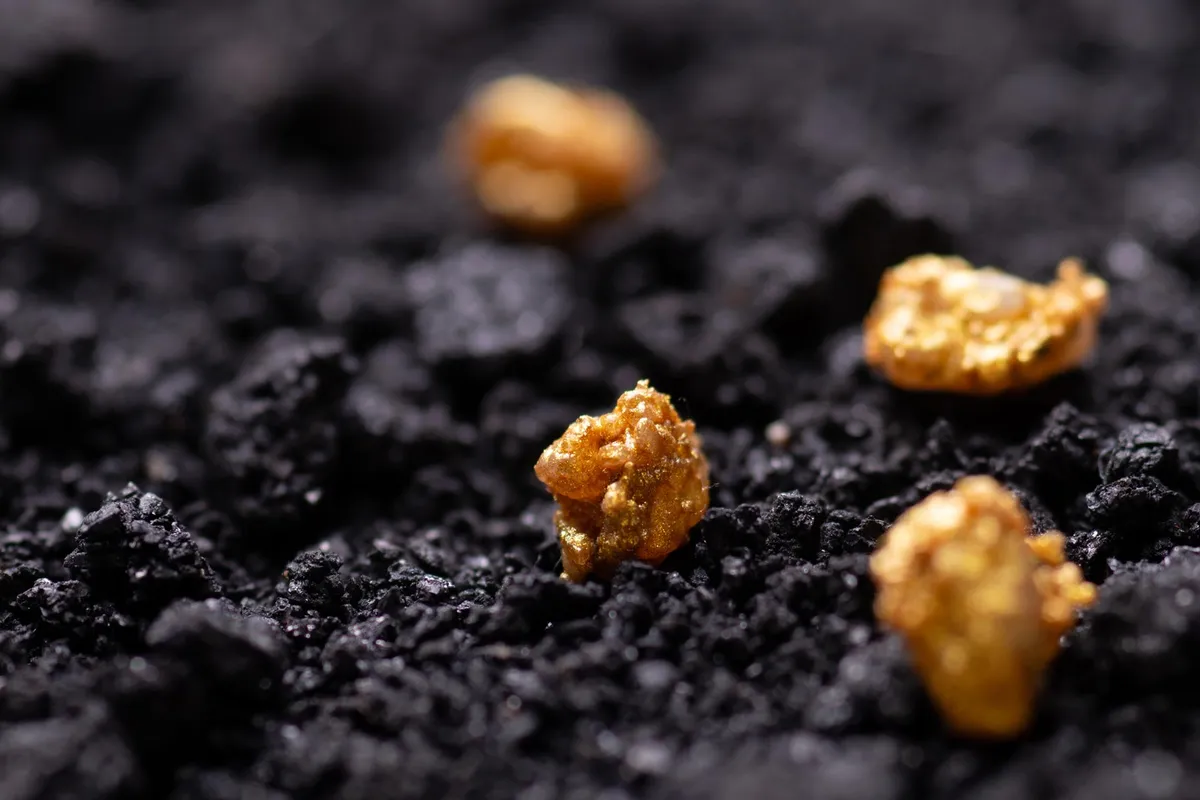
Turns out, those ancient tales weren't just campfire stories. A new study has officially confirmed the existence of Roman-era alluvial gold mines in the Eastern Pyrenees. Alluvial gold, for the uninitiated, is the good stuff found chilling in river deposits, just waiting to be picked up. Researchers from the Autonomous University of Barcelona (UAB) and the University of A Coruña led the charge, and their findings are a gold rush of historical significance.
A Light-Based Time Machine
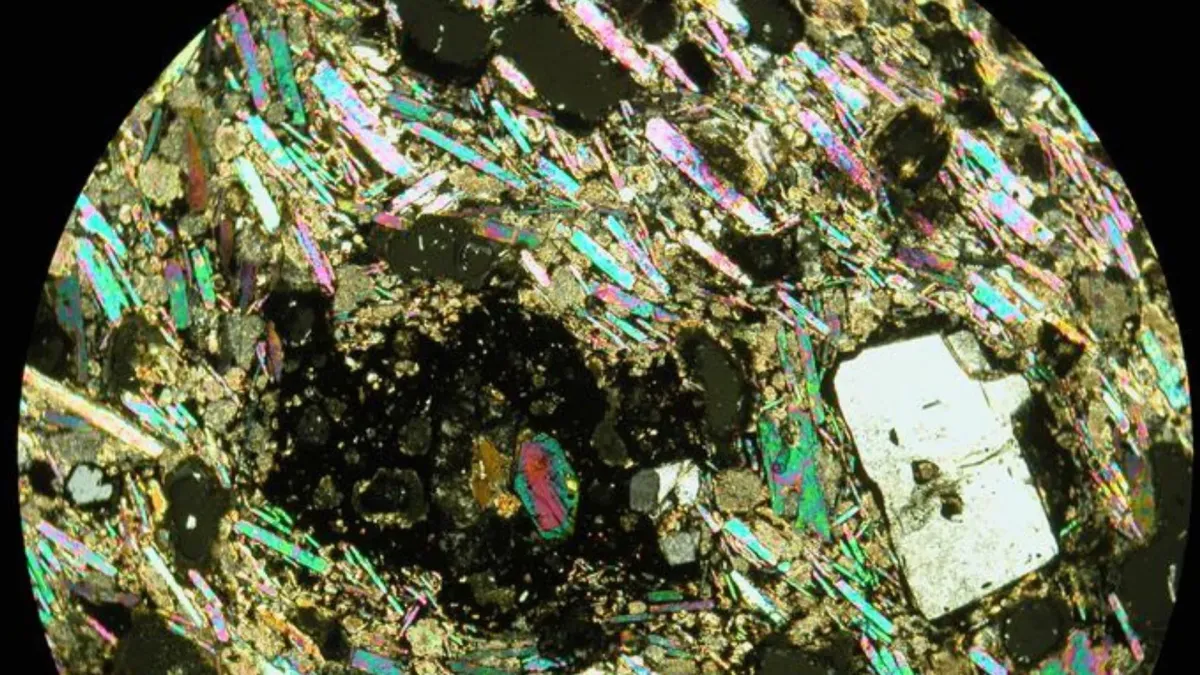
How do you date a mining operation that's been dormant for millennia? With a fancy technique called optically stimulated luminescence (OSL) dating. This method allowed them to peer into the sediments inside old hydraulic mining structures at a site dubbed Guilleteres d’All. The results pointed to intense mining activity between the third and fourth centuries CE. This is a big deal, folks — it’s the first direct, scientific proof that Roman engineers were pulling gold from these Pyrenean riverbeds.
We're a new kind of news feed.
Regular news is designed to drain you. We're a non-profit built to restore you. Every story we publish is scored for impact, progress, and hope.
Start Your News DetoxNow, the Romans weren't exactly subtle about their gold extraction. They'd use water, and lots of it, to wash away gold-containing deposits. Imagine directing rivers through sediment or even building tunnels and flooding them with pressurized water. Because, when you need gold, you really commit.
Previous studies had hinted at Roman activity in the Cerdanya region, with a workshop from the 2nd-1st centuries BCE showing evidence of gold, silver, and even cinnabar being worked. Plus, some rather impressive erosion marks at Guilleteres d’All always screamed "Roman hydraulic mining operation" to anyone who knew what they were looking at.
A City of Gold (Almost)
Dating these sites was tricky because they weren't exactly littered with Roman selfies or instruction manuals. So, in 2022, the OSL method was deployed to date the sediment that had filled these hydraulic structures. It measures radioactive particles in buried layers to figure out their age, which, if you think about it, is both impressive and slightly terrifying.
Professor Oriol Olesti Vila from UAB and Jorge Sanjurjo from the University of A Coruña coordinated the study, taking two samples. The OSL method gave a broad age range, but both samples consistently pointed to the first to fourth centuries CE. This means the mine was already abandoned and filling up during that time, firmly cementing its Roman origins and proving gold mining in this specific slice of the Pyrenees.
What makes this discovery even more compelling? The mines are just 10 kilometers from Iulia Livica, now known as Llívia, the only Roman city ever found in the Pyrenees. It seems highly probable that this city wasn't just a scenic Roman getaway but a bustling hub for organizing and managing all that shiny, valuable gold extraction. Someone's accountant was very busy back then.