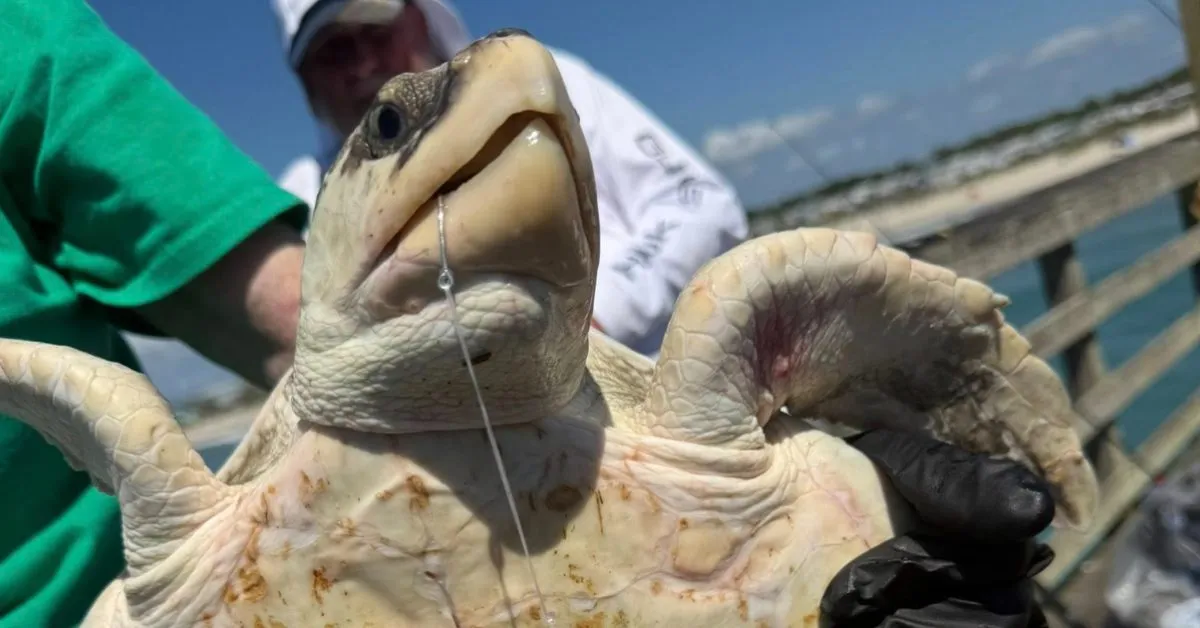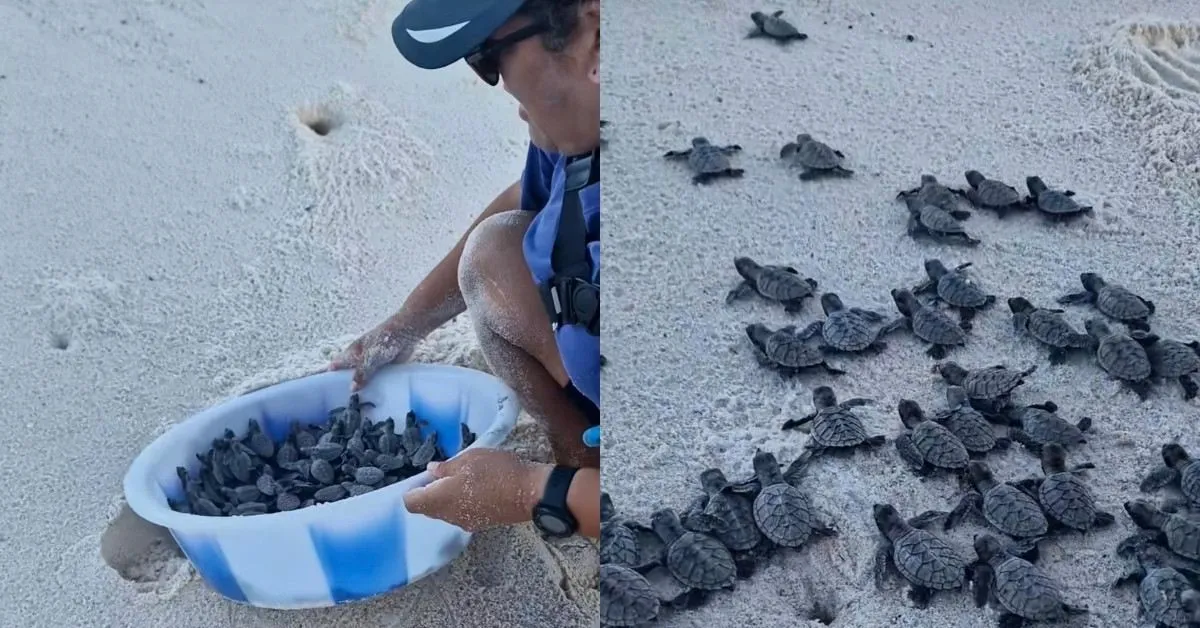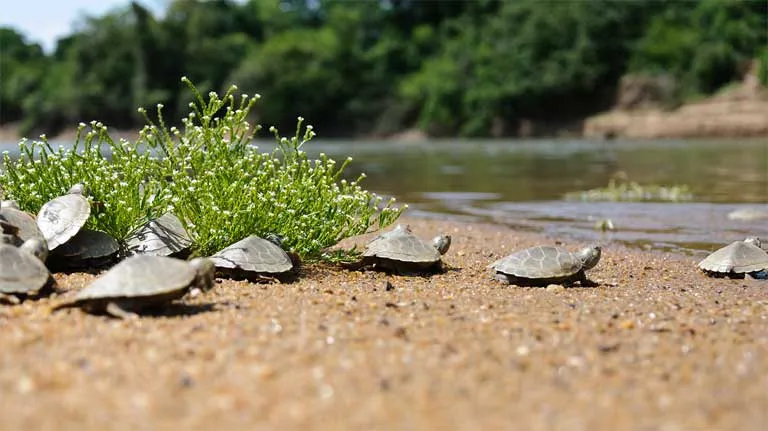
May 23 was World Turtle Day, which, if you think about it, is a bit like celebrating your great-great-great-grandparent's birthday while also trying to save them from a runaway bus. Because turtles and tortoises? They've been around since the Triassic period. They watched the dinosaurs come and go. They shrugged off ice ages. Now, however, more than half of the world's 359 species are staring down extinction, mostly thanks to us.
Turns out, surviving a meteor strike is one thing. Adapting to climate change and habitat destruction at human speed? That's a whole different shell game. The IUCN counts 68 species as critically endangered. To put that in perspective, there are only about 10 adult Burmese roofed turtles left in the wild. Let that satisfyingly terrifying number sink in.
The Comeback Kids
But here's where things get interesting. Despite the looming ecological cliff, there have been some genuinely wild conservation wins in the last year that deserve a slow, deliberate turtle clap.
We're a new kind of news feed.
Regular news is designed to drain you. We're a non-profit built to restore you. Every story we publish is scored for impact, progress, and hope.
Start Your News DetoxTake the Floreana giant tortoises. These magnificent creatures were declared extinct from Ecuador's Galápagos Islands about 180 years ago. Gone. Finished. Finito. Until February, when they just… showed back up on Floreana Island. How? A decades-long breeding program used tortoises from another island that still carried Floreana DNA. Basically, they brought them back from the genetic grave. Which, if you think about it, is both impressive and slightly terrifying.
Then there are green turtles. Their population has soared by 28% since the 1970s. So much so that they've been upgraded from "endangered" to "least concern." Imagine getting that kind of glow-up on an official list.
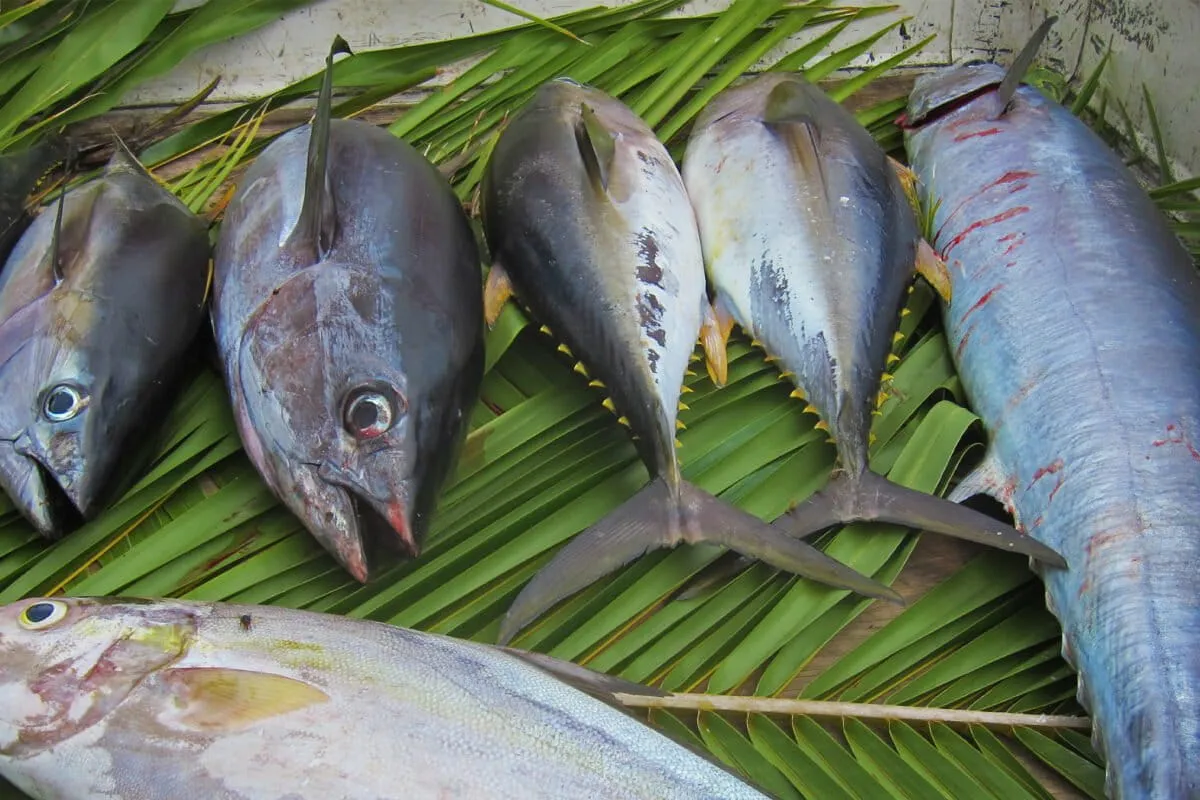
And in Mexico, in November 2025 (yes, we're time-traveling for good news), authorities busted a massive turtle trafficking ring. They rescued over 2,300 live, wild-caught freshwater turtles, including 55 critically endangered Vallarta mud turtles. Someone's vacation plans just got very, very delayed.
So, while our ancient, shelled friends are still very much in peril, it seems they're not quite ready to call it quits. And frankly, after surviving dinosaurs, who can blame them?