Anita Morris's son Olly ordered pills from the dark web to manage his anxiety. He was 17 when he died. Nicola Howarth's son Alfie had a cocaine addiction so severe it destroyed the cartilage in his nose. He died on his 18th birthday. Kate Roux's son Ben cycled through more than a dozen support organizations, each one siloed from the next. She found him dead in an adult homeless hostel at 16.
None of them had access to a state-funded residential treatment facility for young people. None exists in the UK.
These three mothers are now speaking publicly about what they see as a systemic failure — not because they want attention, but because the numbers suggest their sons' deaths were preventable. More than half of the 16,000 young people in drug and alcohol treatment last year were 15 or younger. In 2024-25, under-18s seeking support rose 13%. Yet the infrastructure to actually treat them remains almost nonexistent.
We're a new kind of news feed.
Regular news is designed to drain you. We're a non-profit built to restore you. Every story we publish is scored for impact, progress, and hope.
Start Your News DetoxA System Built for Adults
The BBC's investigation found something stark: significant gaps in community care, no clear strategy across regions, and almost no beds available when young people are in crisis. The few private residential programs that do exist cost around £23,000 — a figure beyond reach for most families.
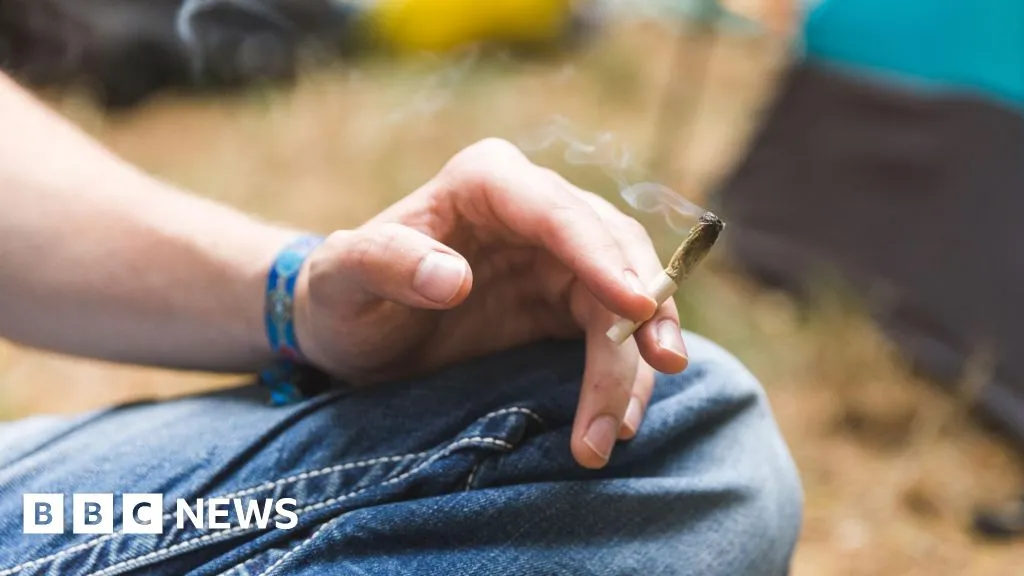
Drug use among teenagers has shifted too. Cannabis remains the most common substance (86% of young people in treatment cite it as a problem), but ketamine and solvent use have spiked, bringing more complex medical and psychological needs. Treatment services designed around older patterns of addiction simply aren't equipped to respond.
Anita describes what she believes is missing: "We need safe spaces for children buying £1 tablets off the street and developing addictions. We need places for them to get off drugs with proper support, where they're safe and their parents aren't watching them in agony, wondering if they'll die in their bedroom."
Professor Dame Carol Black, the government's independent drugs adviser, agrees. She says children have "suffered" from years of under-investment and that "adequate in-patient facilities" are essential for those with the most complex needs.
What Comes Next
The government has committed £3.4 billion for drug and alcohol treatment over three years. Experts and families are calling for a coordinated cross-government approach, more specialist beds, earlier intervention, and clearer national guidance. Whether that translates into the kind of change these mothers are asking for — and how quickly — remains an open question. But the conversation has shifted. These stories are now part of the official record.