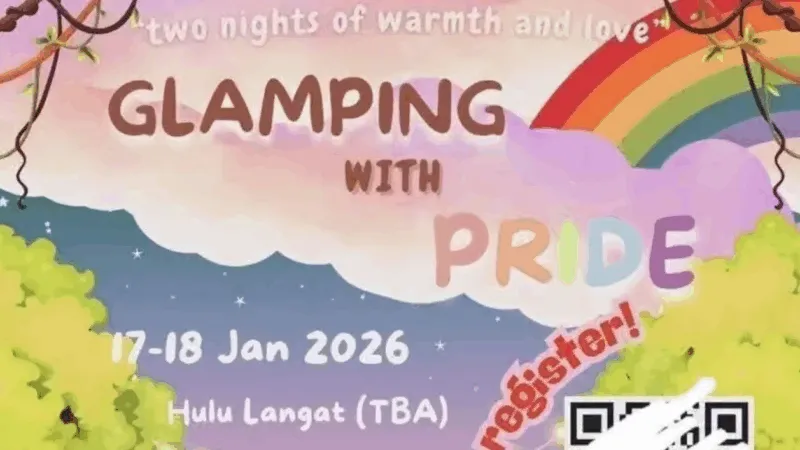
A two-day health program for LGBTQ+ people in Selangor, Malaysia never happened. "Glamping with Pride," organized by JEJAKA—a group supporting gay, bisexual, and queer men—was meant to improve health literacy and reduce stigma around HIV. It was cancelled not because it broke any law, but because the environment became unsafe.
The sequence is familiar in many places, though the speed here was stark. JEJAKA posted about the event online. Conservative groups filed police reports. Local and religious authorities, including the Department of Islamic Development Malaysia, issued public statements saying the activity threatened public peace and "normalized deviant sexual behavior." Online harassment followed. Within days, the organizers made the difficult choice to pull the plug.
The Pattern
What's instructive here isn't that opposition exists—it does, in many countries—but how quickly official disapproval can translate into a chilling effect. Lawyer and former minister Zaid Ibrahim noted something particular about Malaysia's dynamic: elite LGBTQ+ people often operate with less scrutiny, while "everyday people" face heavier pressure. That asymmetry matters. It shapes who feels safe gathering, who stays visible, who goes underground.
We're a new kind of news feed.
Regular news is designed to drain you. We're a non-profit built to restore you. Every story we publish is scored for impact, progress, and hope.
Start Your News DetoxThe cancellation itself was framed carefully by JEJAKA. They didn't say the event was illegal. They said "reckless rhetoric, misinformation and fear-mongering made it unsafe for people to gather." That distinction—between legality and safety—is important. A private health program became impossible not through law enforcement action, but through an environment of intimidation.
Civil society groups responded by signing a joint statement affirming that sexual orientation diversity is normal and calling on authorities to stop "vilification" and "portrayal of LGBTQ people as threat to society." ARTICLE 19, which monitors freedom of expression, characterized the pattern as "state-sponsored intimidation" and warned it "forces a peaceful community further underground."
What happens when communities go underground is predictable: health services become harder to access, stigma deepens, isolation increases. The very outcomes JEJAKA was trying to address—HIV prevention, health literacy, reduced stigma—become harder to tackle when gathering itself becomes risky.
The event was meant to be private and local. Instead it became a flashpoint. That's the real story: not that opposition emerged, but how quickly and comprehensively it shut down a conversation about health.