When Michael Vargas Arango started dating Elizabeth Pella, he laid all his cards on the table. He lives with schizoaffective disorder, a condition that, for him, includes a lively cast of hallucinations and voices.
“I had to tell her this is happening to me,” the 22-year-old student told NPR. “This is who I am. I can’t lie.”
Pella, to her credit, accepted Vargas Arango. But she also had a very human, if slightly heartbreaking, request: Could they keep it quiet? The stigma, she worried, would be too much.
We're a new kind of news feed.
Regular news is designed to drain you. We're a non-profit built to restore you. Every story we publish is scored for impact, progress, and hope.
Start Your News DetoxThat hit Vargas Arango hard. It was a moment that made him realize the world needed a different story about schizoaffective disorder. So, he decided to tell his own. The result? A podcast called "The Monsters We Create."
“I’m not dangerous. I’m not crazy. And I’m not delusional,” he declares on his show. “I’m just one more guy, with a mental health condition, living with it.”
The Voices Get a Microphone
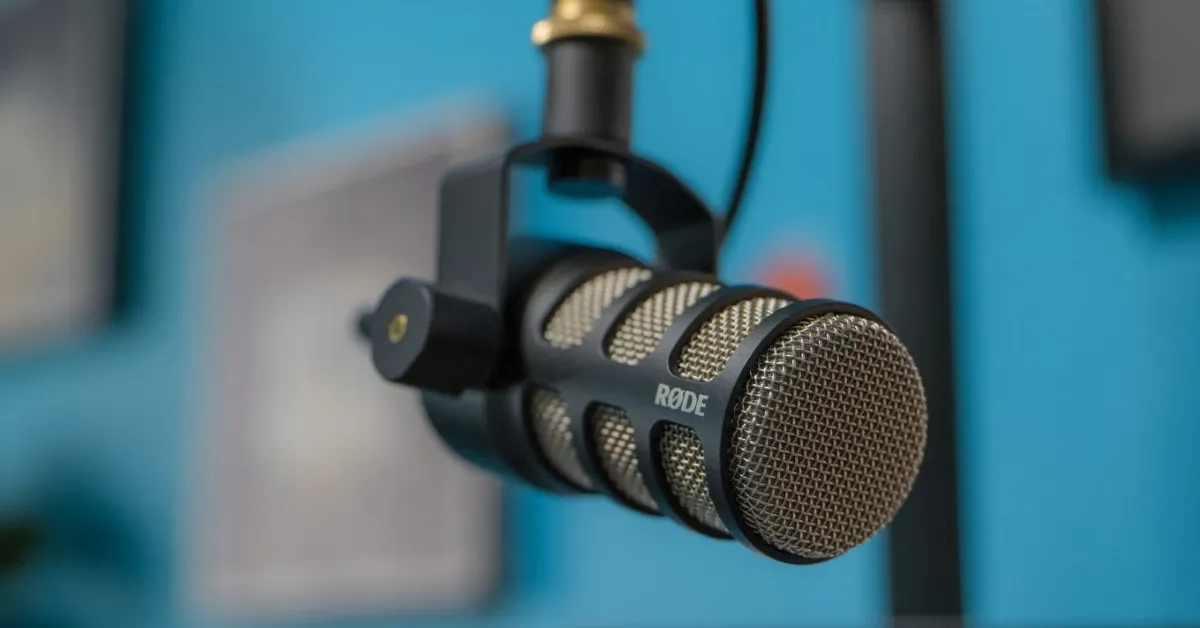
Vargas Arango doesn't just talk about the voices in his head; he brings them to life. His podcast uses sound effects and shifting vocal tones, creating a listening experience that's both immersive and disarmingly funny. He actually converses with these internal characters, turning the very thing that often isolates people into a tool for connection and humor.
It’s a clever way to “make fun of the prejudice that people have,” he explains, effectively shrinking the impact of judgment by shining a light on it. It’s hard to be afraid of something when it’s cracking jokes.
Earlier this year, Vargas Arango submitted his audial brainchild to the NPR Podcast Challenge. Out of more than 500 student entries, “The Monsters We Create” wasn't just a contender; it was the winner. Which, if you think about it, is a pretty excellent way to tell people you're not keeping quiet anymore.
Today, Vargas Arango speaks openly about his condition and treatment — with his girlfriend, his friends, his family, and thousands of podcast listeners. The fear and shame that once dictated his silence? Gone. He’s found his voice, and it turns out, it’s a pretty compelling one.
“You need to be honest,” he told NPR, offering advice to his younger self and anyone else listening. “You need to embrace who you are and what you’re living with.” Because sometimes, the most effective way to fight the monsters is to give them a mic.