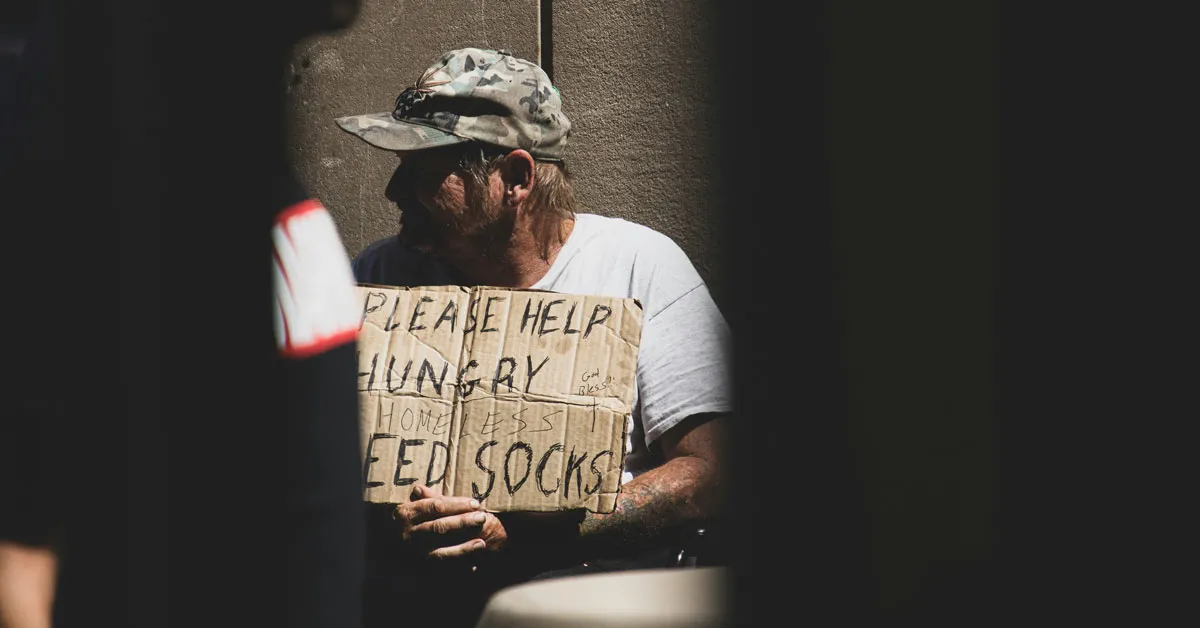
When someone in crisis is sleeping rough on a city street, the default response has long been clear: call the police. Albany County in New York is trying something different. Instead of a patrol car, a nurse, clinician, and counselor show up—ready to write prescriptions, arrange housing, and actually listen.
The county's new street psychiatry team is small but deliberate: six people working in public spaces to meet unhoused people where they already are. There's a nurse, a mental health clinician, a case manager, a mental health care advocate, a certified substance abuse counselor, and a supervising clinician. They carry the tools of care rather than enforcement.
"We're going to give them their prescription right there, right on the street to go get filled," Albany County Executive Dan McCoy explained. "We cannot address the homeless crisis without addressing the mental health crisis." It's a statement that sounds obvious once you hear it—yet it's taken decades of policy failures to reach this point.
We're a new kind of news feed.
Regular news is designed to drain you. We're a non-profit built to restore you. Every story we publish is scored for impact, progress, and hope.
Start Your News DetoxWhat makes this work is the recognition that homelessness and untreated mental illness are deeply tangled. Someone without stable housing can't reliably take medication. Someone in psychiatric crisis can't navigate the waiting lists and bureaucracy of traditional clinics. The street team dissolves that gap. They meet people in the moments they're actually present, not waiting for them to find their way to an office building they may never locate.
A model spreading quietly
Albany isn't pioneering this alone. As of 2023, more than a dozen similar multidisciplinary teams were operating across the country, according to the American Psychiatric Association. Cities like Denver, San Francisco, and Charlotte have launched versions tailored to their own streets. The model is spreading because it works on multiple fronts at once.
Police departments have noticed something unexpected: when mental health professionals handle mental health crises, public safety actually improves. "We need to meet them where they're at," Albany's police chief Brendan Cox said. "If we don't get that clinic to them, we're just going to continue to see disorder. We can have this whole spectrum of responses that don't always have to involve the police and start getting people the services they need and increase public health, increase public safety."
It's rare to hear a police chief advocate for fewer police interventions. But the logic is sound: officers trained to enforce law aren't trained to de-escalate psychiatric episodes. Social workers trained in trauma and mental health are. When you send the right person to the right crisis, outcomes improve across the board.
For unhoused people themselves, the shift is material. It means accessing care without the fear of arrest, without the humiliation of being treated as a public disorder rather than a person in need. It means prescriptions filled and housing pathways opened, not handcuffs and a cycle back to the same street corner.
Albany's team is still new—early enough that we don't yet have long-term outcome data. But the momentum is building. As more cities watch and learn, the question isn't whether street psychiatry works. It's how long until it becomes the standard response, not the exception.