Imagine needing a loan because your mom is sick, but you have no savings, no insurance, nothing. That was the reality for a domestic worker in 17-year-old Ayaan Wadhwa's Mumbai home. And that, apparently, was all it took for Ayaan to launch a one-person mission to fix a broken system.
He started poking around and discovered the e-Shram card — a government scheme offering accident insurance, housing grants, and even a pension to unorganized sector workers. Sounds great, right? Except when he asked the worker in his own home about it, she'd never heard of it. The information gap was so wide, it was practically a chasm.
The Accidental Bureaucrat
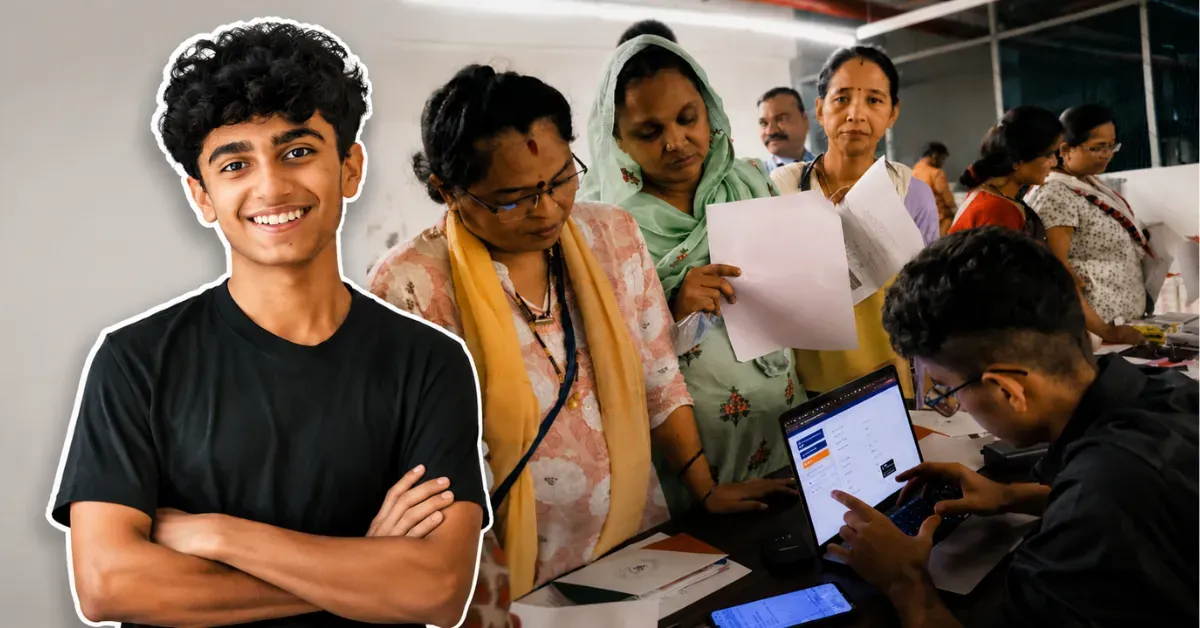
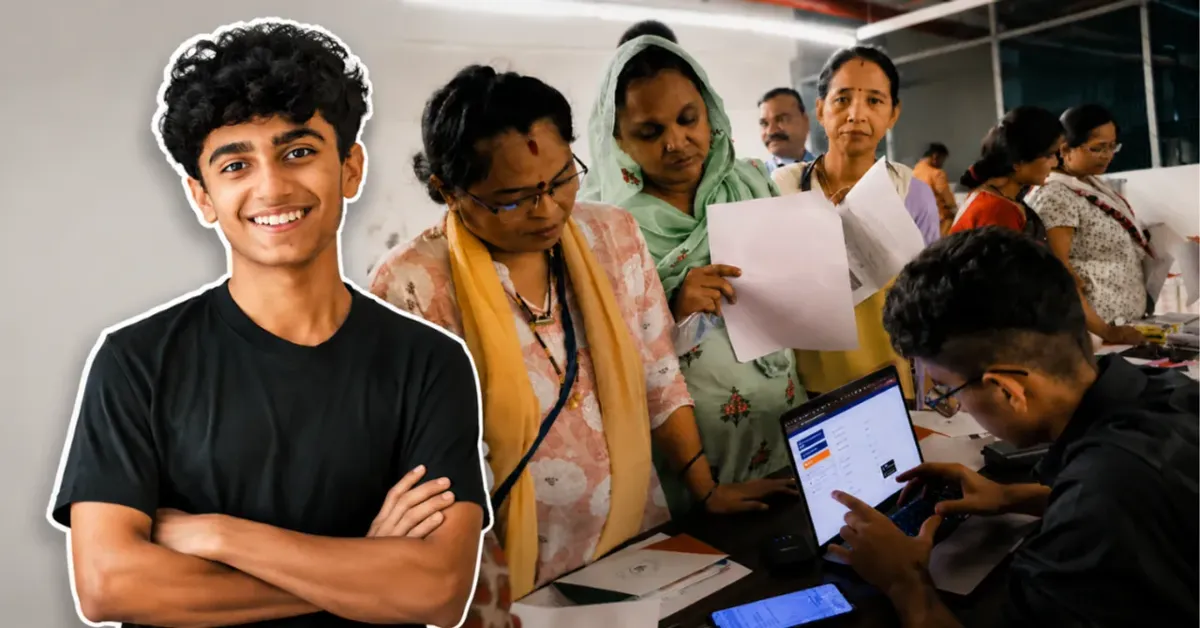
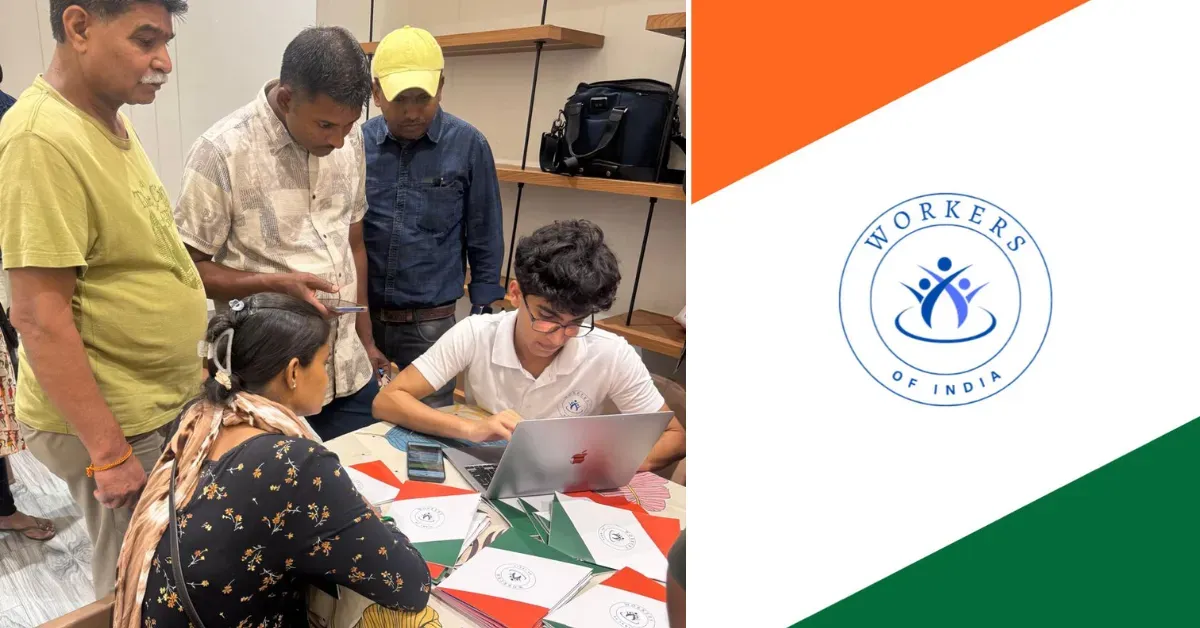
So, Ayaan, presumably between homework assignments, decided to become a micro-bureaucrat. He created a booklet explaining these benefits, translated it into Hindi and Marathi (because why not go all in?), and started hosting workshops. His first one, in his own apartment complex, drew 80 to 90 workers. He then sat down with each person, patiently guiding them through an online registration process that many had never even attempted before.
We're a new kind of news feed.
Regular news is designed to drain you. We're a non-profit built to restore you. Every story we publish is scored for impact, progress, and hope.
Start Your News DetoxIt wasn't always smooth sailing. Picture a teenager wrestling with crashing government websites and trying to remember which phone number (often a husband's) was linked to an Aadhaar card for that crucial one-time password. Manisha Dhekde, a 32-year-old domestic worker, heard about the camps through word of mouth and now has an e-Shram card and a post office savings scheme. She even noted that government benefits have since reached her home multiple times. Let that sink in.
Since early 2026 (yes, he's still a teenager doing this), Ayaan has registered over 750 workers across five Mumbai workshops. Each registration is a digital footprint, a tiny step towards social security for someone previously invisible to the system. He even partnered with an NGO, Saanvi Social Welfare, to reach tribal communities, teaching students how to help their own parents register.
Isha Rawat from Saanvi Social Welfare perfectly summed it up when she realized her own cook of 12 years didn't have an e-Shram card before Ayaan's involvement. It highlights just how deep this information void runs.
The Next Frontier: AI and Advocacy
But Ayaan isn't stopping at a few hundred registrations. He knows the e-Shram card is just the beginning. Domestic work in India isn't formally recognized, meaning no minimum wage, no formal grievance systems. His initial attempts to introduce simple employment contracts were met with a resounding, "No, thank you," from both employers and workers.
So, because apparently that's where we are now, he's developing an AI-powered WhatsApp chatbot. This bot will let domestic workers speak their employment terms in Hindi, Marathi, or English, and voila! — receive a bilingual employment contract. This project even snagged him a grant of about Rs 1.6 lakh from the International Baccalaureate Global Youth Action Fund. Because of course it did.
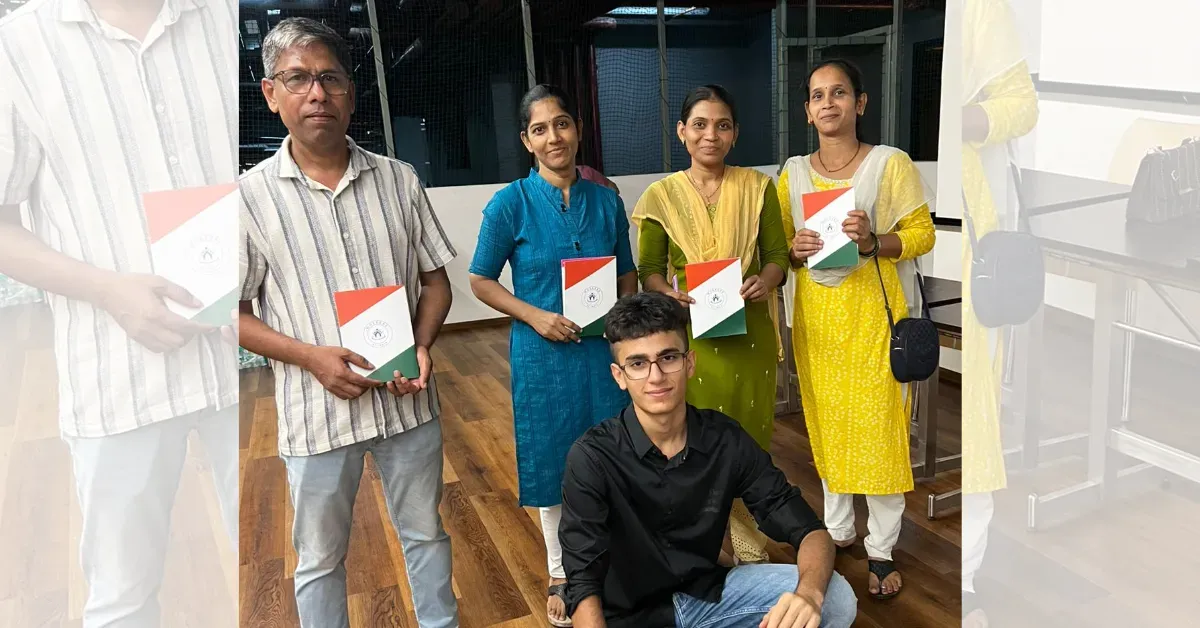
His next goal: register 2,000 workers by the end of 2026 and push for legal recognition of homes as formal workplaces. That, he says, is the "real change." And honestly, when a 17-year-old juggling exams and college applications is making this kind of impact, you start to believe him.