
Meta's data centers are becoming major players in America's energy infrastructure—and the ripple effects reach far beyond server rooms. The company operates some of the largest employers in data center communities, creating thousands of jobs while fundamentally reshaping how utilities plan their grids.
What makes this different from typical corporate expansion is the financial structure. Meta pays the full cost of the energy its data centers consume, covers infrastructure upgrades needed to serve them, and funds water and sewer improvements in host communities. For 15 years, this has been the company's standard. It means when Meta builds, it doesn't shift costs onto utility customers or local ratepayers.
The energy story
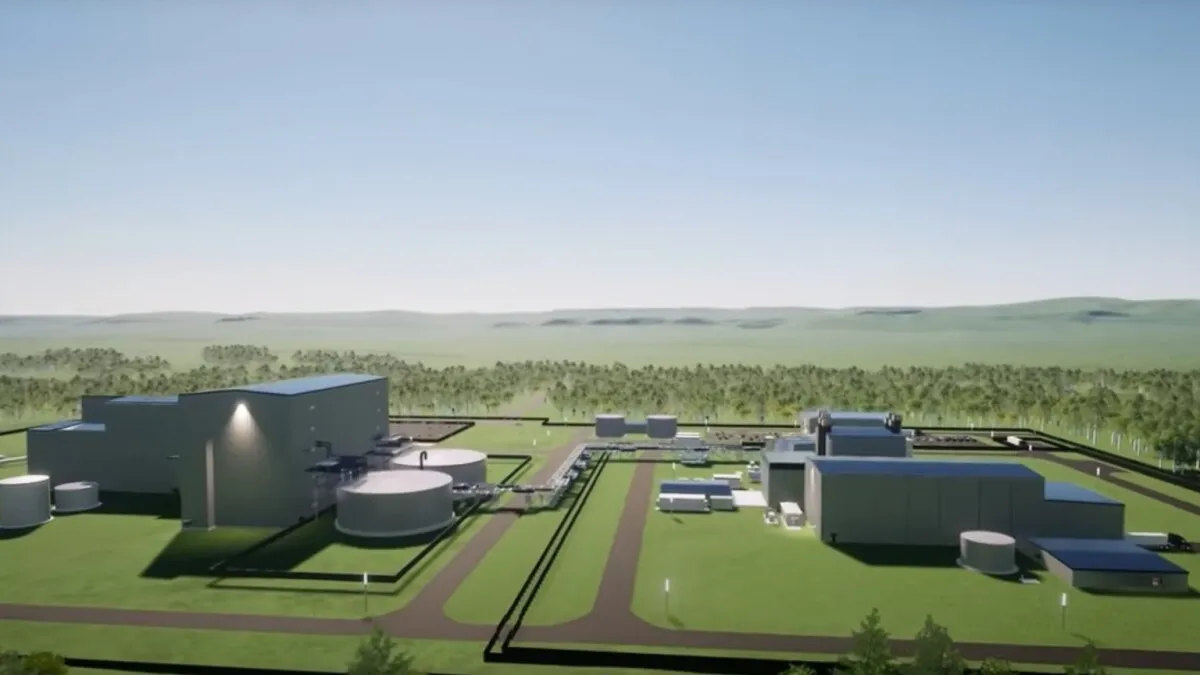
The scale is significant. Meta has become one of the largest purchasers of nuclear energy in American history—a decision that's quietly reshaping how utilities invest in power generation. The company works with grid operators years in advance, collaborating on infrastructure planning so that new facilities integrate smoothly with existing systems. This forward planning also means Meta can support grid stability during peak demand, reducing its own consumption when strain emerges.
We're a new kind of news feed.
Regular news is designed to drain you. We're a non-profit built to restore you. Every story we publish is scored for impact, progress, and hope.
Start Your News DetoxThese aren't small projects. A typical Meta data center represents a multi-billion-dollar local investment, with construction bringing thousands of skilled trade jobs—steel workers, electricians, pipefitters, fiber technicians. Once operational, facilities employ electricians, HVAC specialists, server technicians, and engineers long-term. Beyond direct employment, Meta's operations support billions of dollars annually for American suppliers.
The broader context matters here: as AI and cloud computing demand grows, data centers will keep expanding. Meta's willingness to absorb infrastructure costs and plan collaboratively with utilities sets a precedent. Other tech companies are watching.
Water and land
Meta has committed to becoming water positive by 2030—meaning it will restore more water than it consumes in the watersheds where it operates. The New Albany facility in Ohio uses less than half the water required to irrigate an average golf course in the southwest. The company has invested over $550 million in water and wastewater infrastructure, often strengthening community water resilience without passing costs to residents.
Beyond efficiency, Meta funds restoration projects and publishes detailed annual sustainability reports. The company also prioritizes land stewardship, preserving sensitive ecosystems and supporting native habitat restoration.
Community investment
Meta's community engagement goes beyond corporate goodwill. The company funds infrastructure improvements—roads, public facilities—that benefit entire regions, not just its own operations. The Data Center Community Action Grant Program provides annual funding to schools and nonprofits in host communities. Meta also offers free digital-skills training to local businesses and schools, and supports electricity bill assistance programs for low-income households.
Through partnerships with community colleges and organizations like Be Pro Be Proud, Meta invests in workforce development, helping community members access careers in technology and skilled trades. These programs are developed with general contractors and rooted in local hiring whenever possible.
What's emerging here is a model where corporate infrastructure investment becomes a tool for regional economic development—if done thoughtfully. Meta's approach isn't perfect or complete, but it demonstrates that large-scale tech expansion doesn't have to externalize costs onto communities. As data center demand accelerates globally, this model will likely influence how other companies approach similar projects.