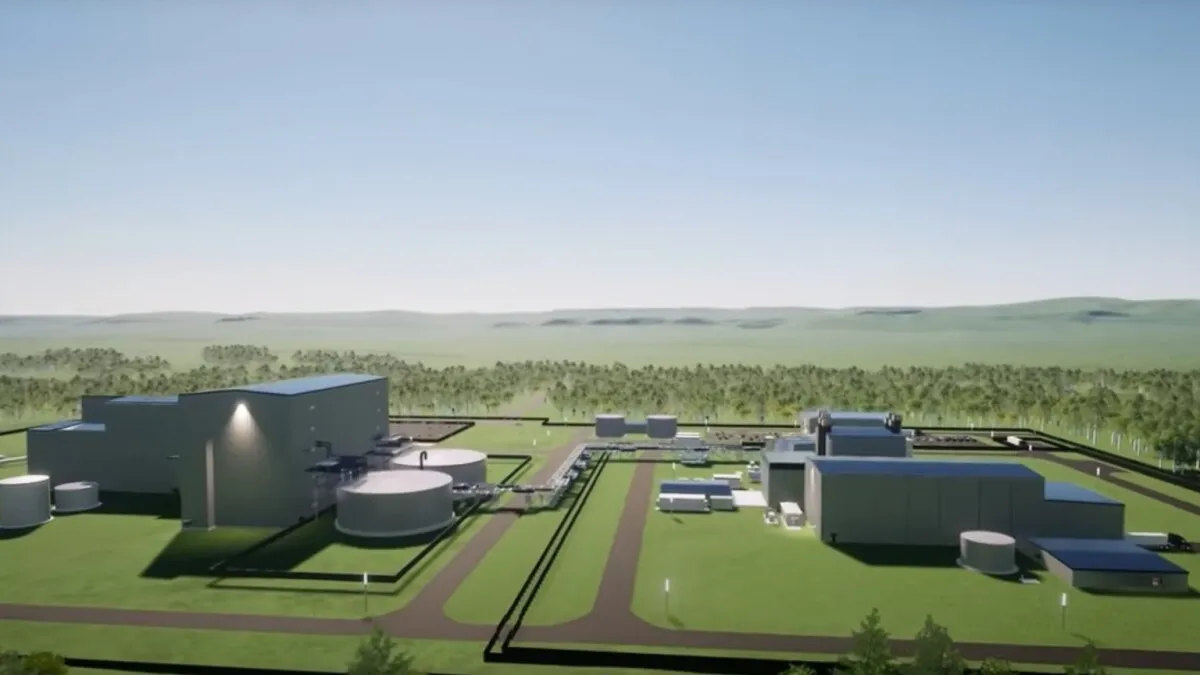
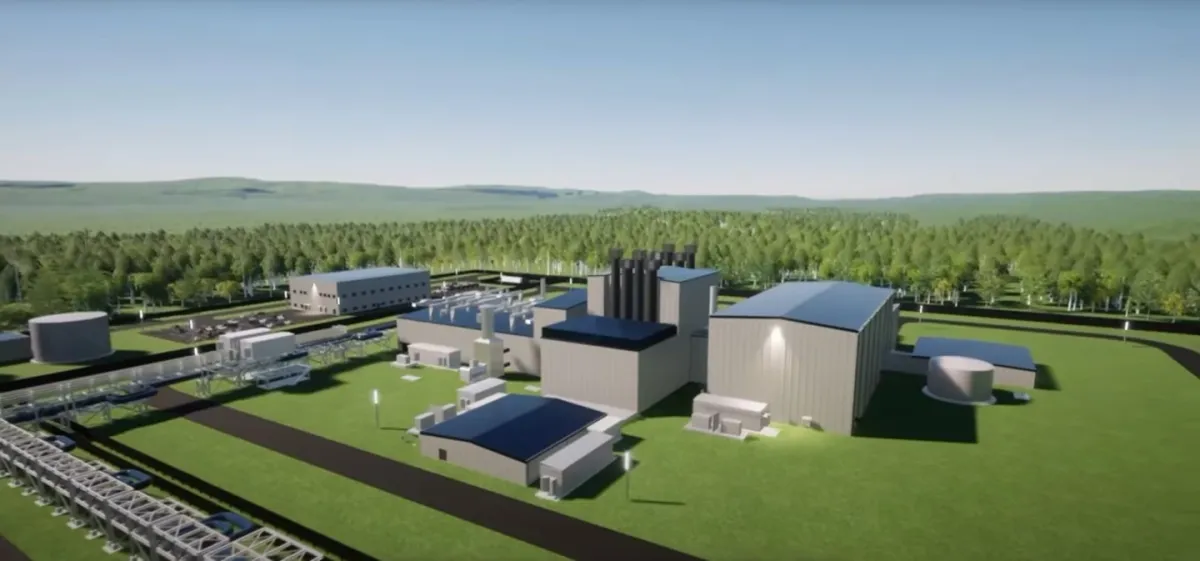
The US just cleared its first new reactor for construction since the 1970s. The Nuclear Regulatory Commission approved TerraPower's Natrium reactor for the Kemmerer Power Station in Wyoming—a moment that signals something real might be shifting in how America thinks about nuclear energy.
For context: the last new reactor built in the US was completed in 1996. The decades in between were defined by Three Mile Island, regulatory gridlock, and a cultural conviction that nuclear was too expensive and too risky. That story didn't change overnight. But it did change.
Why This Matters Now

The Natrium reactor isn't a minor tweak on old designs. It's a fundamentally different machine. Instead of using water to cool the reactor core (the way nuclear plants have worked since the 1950s), Natrium uses liquid sodium—a metal that stays liquid at much higher temperatures and doesn't require the massive, expensive pressure vessels that water-cooled reactors need. The fuel is also more enriched (19.75% versus the 5% in conventional reactors), which means more complete burning of the fuel and less waste left behind.
We're a new kind of news feed.
Regular news is designed to drain you. We're a non-profit built to restore you. Every story we publish is scored for impact, progress, and hope.
Start Your News DetoxThat efficiency matters in dollars and cents. Natrium operates at about 41% thermal efficiency compared to 31% for conventional reactors. It's the difference between getting more electricity out of the same amount of fuel—and in a world racing to decarbonize, efficiency is cost.
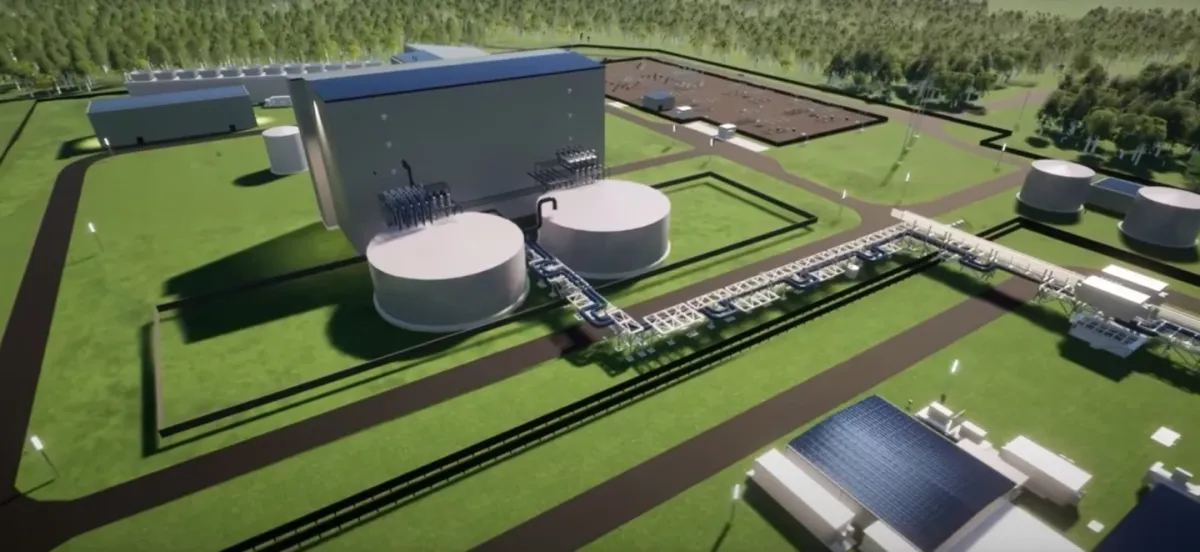
But here's the part that might matter most for the grid: Natrium decouples the reactor from the power plant. Heat from the reactor flows into molten-salt tanks that act as thermal batteries. While the reactor runs at steady output (840 megawatts thermal), those tanks can release stored heat whenever the grid needs it. This turns nuclear into something it's never been before in practice—a flexible partner to renewable energy rather than a competitor.
Wind and solar are intermittent. They generate power when conditions allow, not when demand peaks. Natrium's thermal storage lets it absorb heat when demand is low and release it when the grid needs it. That's the grid flexibility problem that's been keeping utilities up at night as they add more renewables. A technology that actually solves it—rather than just promising to someday—changes the conversation.
The reactor also has passive safety built in. If pumps fail, liquid sodium can still circulate naturally through the system—no external power needed. If the core temperature rises too high, the fuel expands and the reaction rate automatically decreases. These aren't theoretical safeguards; they're physical properties of the design itself.
The Regulatory Shift
What's equally significant is how fast this approval happened. The technical review took 18 months. The formal application was accepted in May 2024, the safety evaluation came through in December 2025, and environmental review wrapped in October. For American nuclear, that's breakneck speed. The old process could stretch a decade or more.
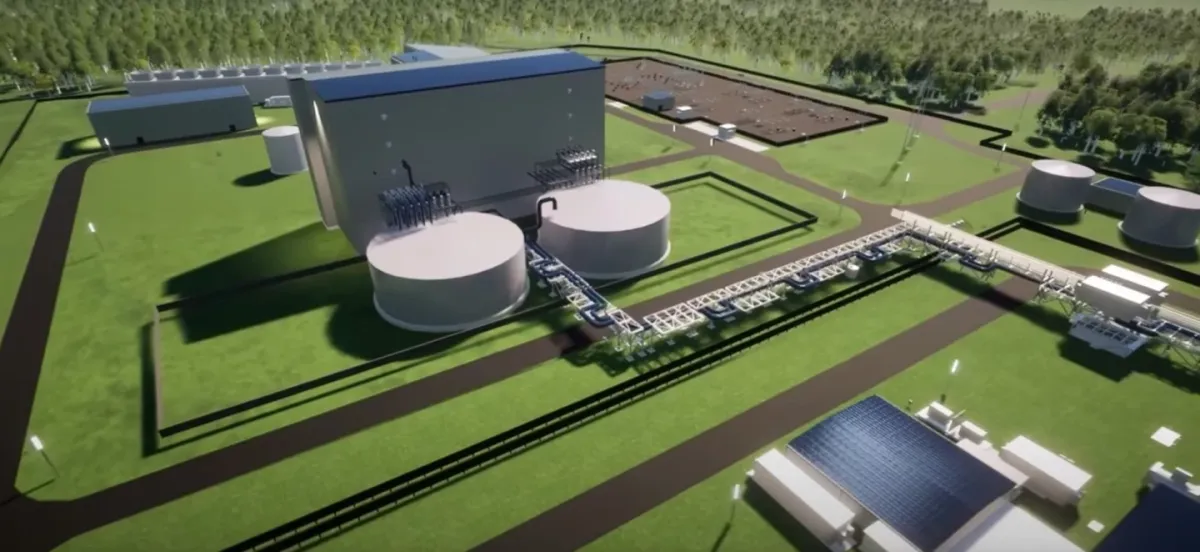
The NRC streamlined its approach specifically to encourage advanced reactor development while keeping safety standards rigorous. It's a recognition that the old regulatory framework was designed for a world where nuclear was the only carbon-free option on the table. Today, it's competing with solar and wind that can be deployed faster and cheaper at scale. The rules needed to evolve.
Kemmerer still has hurdles ahead. TerraPower must apply for a separate operating license before power generation can begin. But the approval clears the path for the first construction work on a new US reactor design in decades.
The broader trend is worth noting: the US isn't the only country revisiting nuclear. France never stopped building reactors. China and India are expanding their fleets. But America's moment matters because the US created the reactor designs that power most of the world. If the US can rebuild confidence in nuclear—and prove that advanced designs can be built on reasonable timelines—the implications ripple globally.