The minerals powering wind turbines and electric vehicles—copper, cobalt, lithium, rare earth elements—are becoming as strategically important as oil once was. The US and EU are now racing to build domestic supply chains, moving production away from China and other rivals. But researchers warn that simply relocating where we dig risks repeating the same extractive harm that has burdened the communities least responsible for climate change.
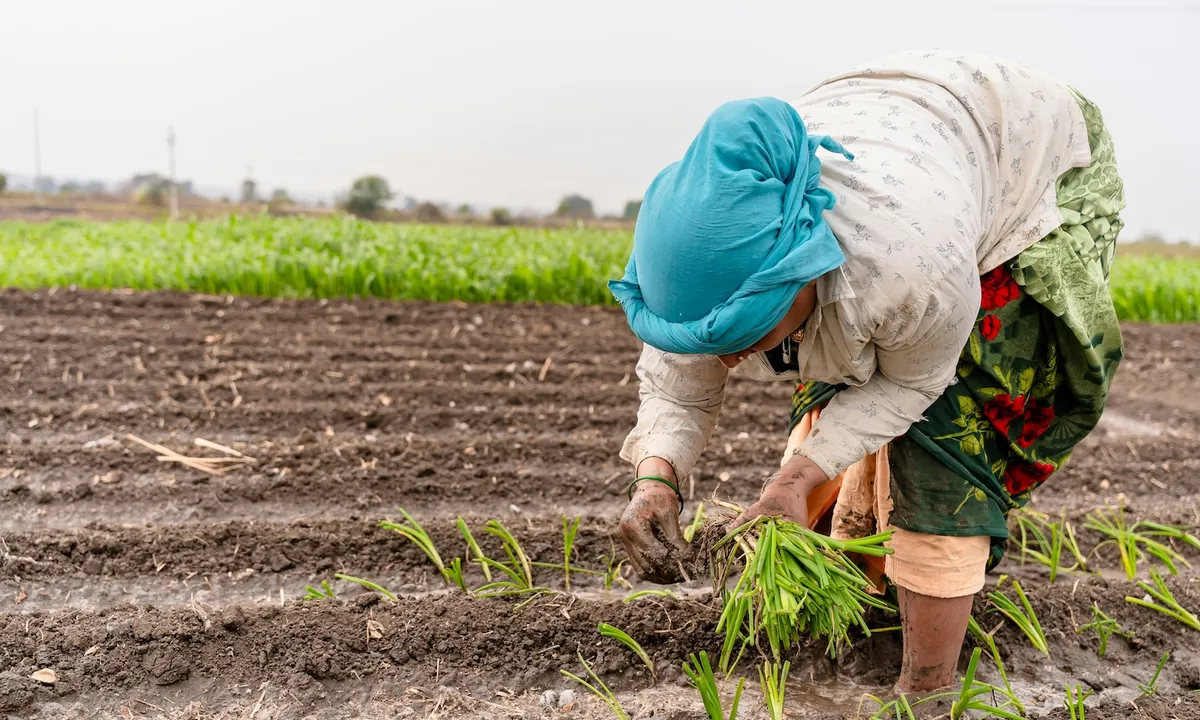
More than half of the proposed new mining facilities sit on or near Indigenous and agrarian lands. These communities face the immediate costs: contaminated water, damaged soil, health risks, lost livelihoods. Meanwhile, the benefits—cheaper green energy, geopolitical security—flow elsewhere. "Right now, powerful, often Western, governments and firms are attempting to reshape the geographies of supply chains without changing the rules of extraction," says Jessica DiCarlo, a human geographer at the University of Utah who studies extractive industries.
A framework that centers justice
In a commentary published in Nature Energy, DiCarlo and colleagues propose "just-shoring"—a framework that flips the priority. Instead of asking "How do we secure minerals cheaply and quickly," it asks three questions: Who benefits? Whose risks are amplified? How much material extraction is actually necessary for a just transition?
We're a new kind of news feed.
Regular news is designed to drain you. We're a non-profit built to restore you. Every story we publish is scored for impact, progress, and hope.
Start Your News DetoxThe key difference from existing sustainability frameworks is enforceability. The Paris Agreement and UN Sustainable Development Goals recommend local resource control, but only voluntarily. Just-shoring makes it mandatory: communities would have legal rights to co-govern the entire mineral lifecycle—from exploration and permitting through mining, processing, closure, and recycling. They wouldn't just be consulted. They'd have genuine decision-making power over whether extraction happens at all.
This matters because the current race for critical minerals is being framed as essential climate action. And it is—we do need these materials to decarbonize. But that urgency is being used to override local consent. Communities are told extraction is necessary for climate goals, then excluded from the benefits and left absorbing the costs. "We cannot build a low-carbon future on sacrifice zones," DiCarlo says.
What just-shoring recognizes is that urgency and justice aren't opposing forces. A truly rapid energy transition requires community buy-in and stable operations. When extraction happens against local wishes, projects face delays, legal challenges, and social conflict. When communities have real power and real benefits, projects become more sustainable and more durable.
The framework also forces a harder question: Do we actually need as much extraction as we're planning? Current projections assume continued high consumption in wealthy nations. But demand could shift with efficiency improvements, circular economy practices, and different consumption patterns. Communities shouldn't bear extraction costs for mining volumes that could be reduced through smarter use.
China currently dominates the mining and refining of rare earth elements, which is why Western governments are pursuing on-shoring (building new domestic mines), re-shoring (reviving old ones), and friend-shoring (moving to allied countries). But this geopolitical reshuffling, without justice frameworks attached, simply creates new sacrifice zones. Just-shoring says: if we're going to relocate extraction, we do it differently this time.
The framework is still a proposal, not yet policy. But it's gaining attention as governments draft critical minerals strategies and communities push back against mining expansion. The question now is whether the urgency of climate action will finally include the urgency of justice.