A person living with type 2 diabetes faces a steady rise in heart disease risk the longer they have the condition. But researchers at Karolinska Institutet in Sweden have found something important: the damage doesn't happen all at once. It's a quiet process that takes years to unfold — and they may have found a way to spot it before it becomes serious.
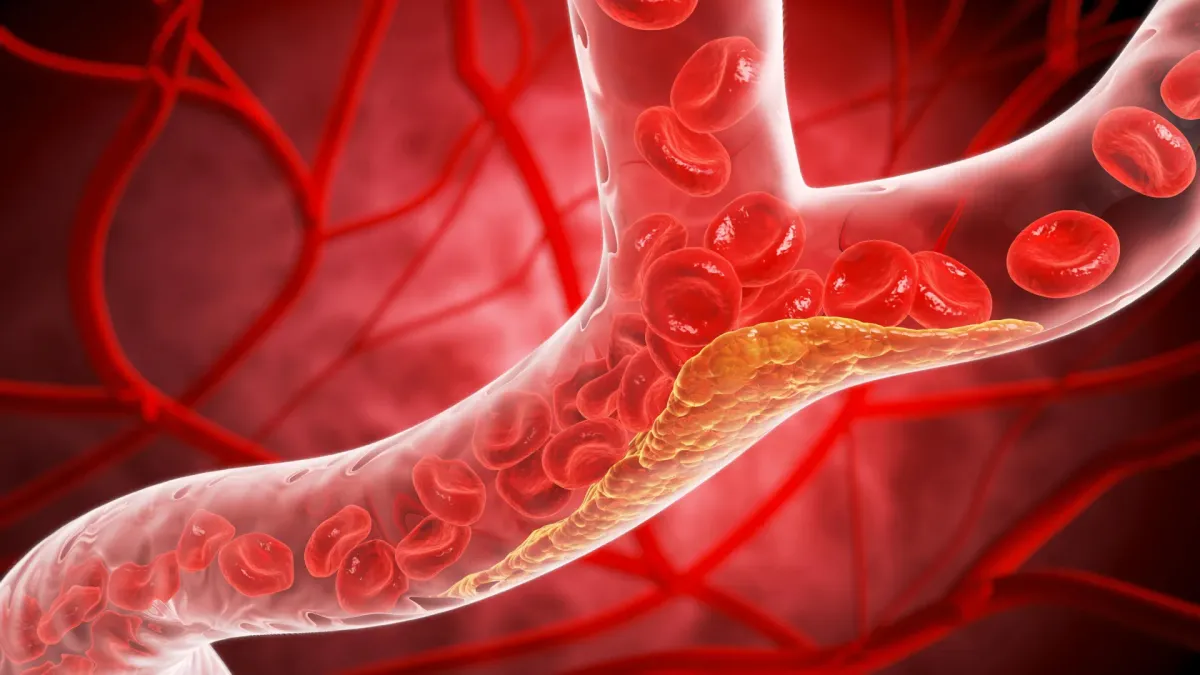
The study, published in Diabetes, tracked what happens inside red blood cells over time. When researchers examined blood cells from people who'd had type 2 diabetes for years, they found something striking: these cells were disrupting the normal function of blood vessels. But when they looked at newly diagnosed patients, their red blood cells showed no such damage. The difference was time.
Then the researchers followed some of those newly diagnosed patients for seven years. By the end, their red blood cells had developed the same vessel-damaging properties. "What really stands out is that it is not only the presence of type 2 diabetes that matters, but how long you have had the disease," says Zhichao Zhou, the study's lead author. "It is only after several years that red blood cells develop a harmful effect on blood vessels."
We're a new kind of news feed.
Regular news is designed to drain you. We're a non-profit built to restore you. Every story we publish is scored for impact, progress, and hope.
Start Your News DetoxThe team identified a specific molecule — microRNA-210 — that appears to drive this damage. When they restored levels of this molecule in red blood cells from long-term patients, blood vessel function improved. That's not just an interesting detail. It's potentially the beginning of an early warning system.
Catching risk before damage sets in
Right now, doctors know that people with type 2 diabetes face higher cardiovascular risk, but they can't easily predict who will develop serious complications. If microRNA-210 levels in red blood cells could reliably flag that risk, it would change the timeline of prevention. "If we can identify which patients are at greatest risk before vascular damage has already occurred, we can also become better at preventing complications," says Eftychia Kontidou, the study's first author.
The research team is now exploring whether this approach works in larger population studies — the next step toward turning a laboratory finding into something doctors can actually use. The goal isn't just to understand the problem better. It's to catch the silent damage before it becomes irreversible.