Remember when athletic gear was just… athletic gear? Turns out, making a marathon shoe that helps win actual marathons involves a bit more than just stitching some fabric together. We're talking about a full-on scientific quest, complete with custom-built machines and insights from people who run 26.2 miles for a living.
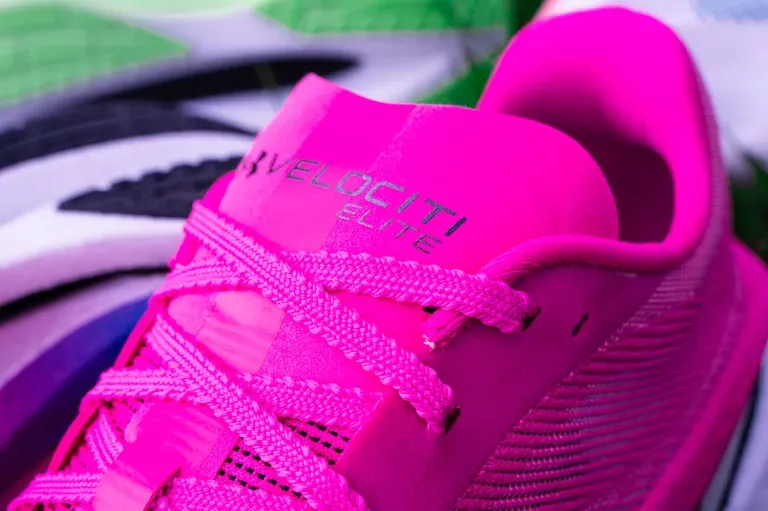
Under Armour, the brand that started because a football player hated soggy cotton, has an entire innovation lab in Baltimore dedicated to this kind of thing. They recently pulled back the curtain on how they craft their elite "supershoes" — like the UA Flow Velociti Elite 3, a shoe so good it helped Sharon Lokedi conquer two major marathons.
From a Soggy Shirt to a "Supershoe"
Under Armour’s origin story is pretty relatable: a guy got annoyed by a wet t-shirt in 1996 and decided to fix it. That led to an obsession with moisture-wicking fabrics, and eventually, footwear. Now, they're not just trying to keep you dry; they're trying to make you fast.
We're a new kind of news feed.
Regular news is designed to drain you. We're a non-profit built to restore you. Every story we publish is scored for impact, progress, and hope.
Start Your News DetoxTheir big shift? Instead of building cool tech and then trying to figure out what to do with it, they now start by asking athletes what their biggest pain points are. Adam Bayer, who heads up prototyping, says it's all about problem-solving from the get-go. So, when Sharon Lokedi, the 2022 NYC Marathon and 2025 Boston Marathon champ, came calling, they listened. Her feedback shaped everything from the shoe's design to its color, refining features like the full-length carbon plates and breathable uppers.
The Proving Grounds: Where Shoes Go to Get Punished
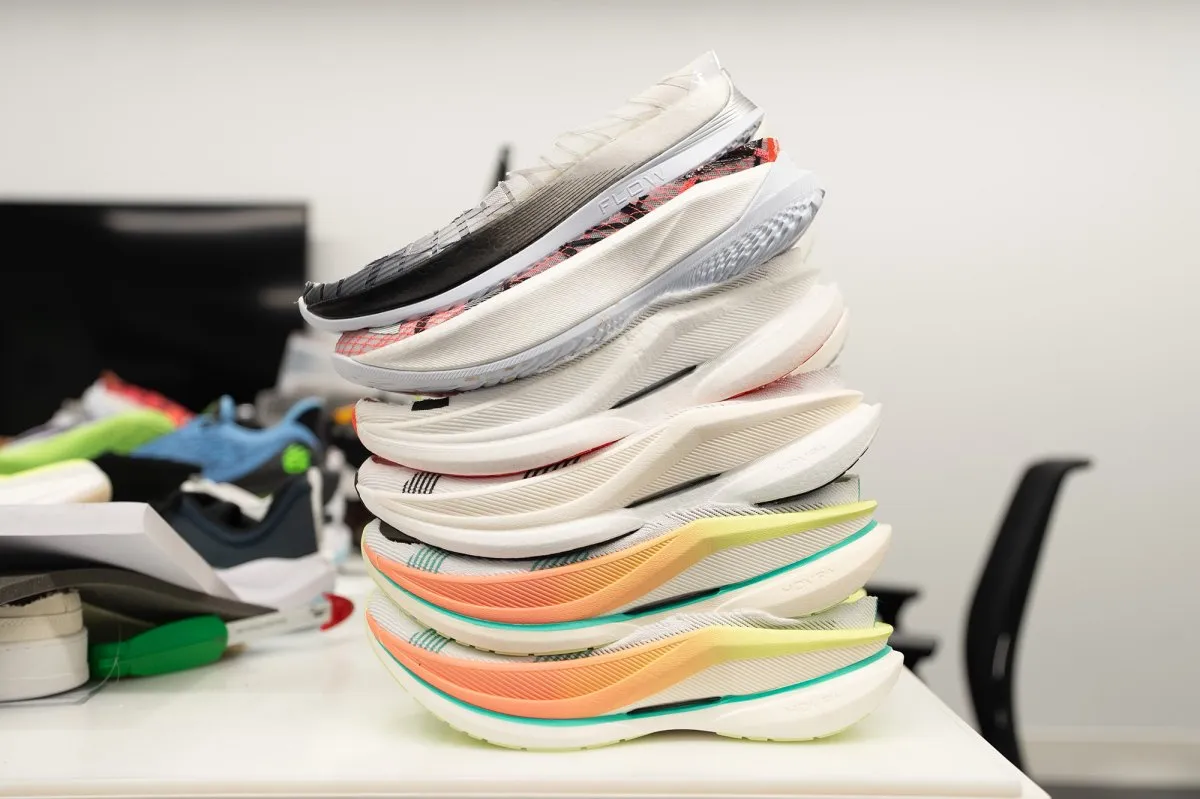
Deep within the lab is a place called the "Proving Grounds." Imagine a torture chamber for footwear, but with climate control. Here, machines simulate hundreds of miles of pounding, testing everything from cushioning to stiffness. Bradford Eagan, who oversees mechanical testing, even keeps a display of "dead ends and partial victories" — Frankenstein shoes made from basketball shanks and running uppers, all in the name of learning.
They don't just use standard industry tests, either. When Lokedi visited, they replicated her exact impact gait and strike pattern on their machines. This allowed them to understand precisely how she loads a shoe and how quickly it needs to recover between her steps. Sam Guadagnino, a sports biomechanics researcher, then translates these hyper-specific details into insights that can be generalized for everyday runners. Because apparently, making a shoe for the fastest people on earth is how you make better shoes for the rest of us.
The Need for Speed (in Development)
One of the most impressive things about these labs is their speed. They can weave, cut, embellish, and prototype multiple iterations of a shoe in a single week. Got a questionable idea? They'll find out if it works (or spectacularly fails) almost immediately. Tom Luedecke, senior director of footwear innovation, says 3D printing and CNC cutting mean they can churn out carbon plate prototypes in just two days.
Kyle Blakely, the SVP of Innovation, calls it "alignment." Designers, developers, and scientists all work in lockstep to ensure that every innovation is not just cool, but practical and perceivable to the athlete. And Yassine Sadi, VP of Apparel Design, makes sure it all looks good, too. Because what's the point of groundbreaking science if it looks like you strapped a toaster to your foot?
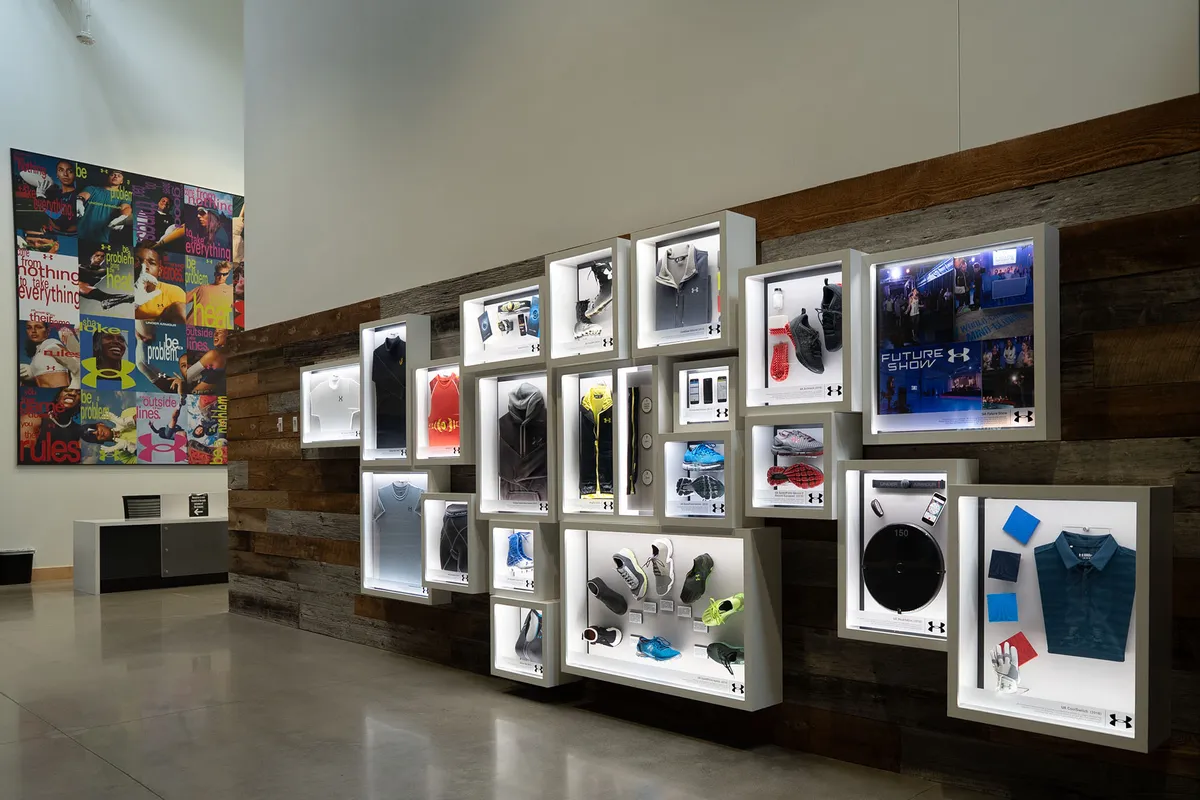
It’s not about winning a "foam race" or an "upper race," Blakely notes. It’s about running their own race, ensuring that every shoe is a perfect blend of performance, presentation, and practicality. Which, if you think about it, is a pretty good strategy for winning actual races too.