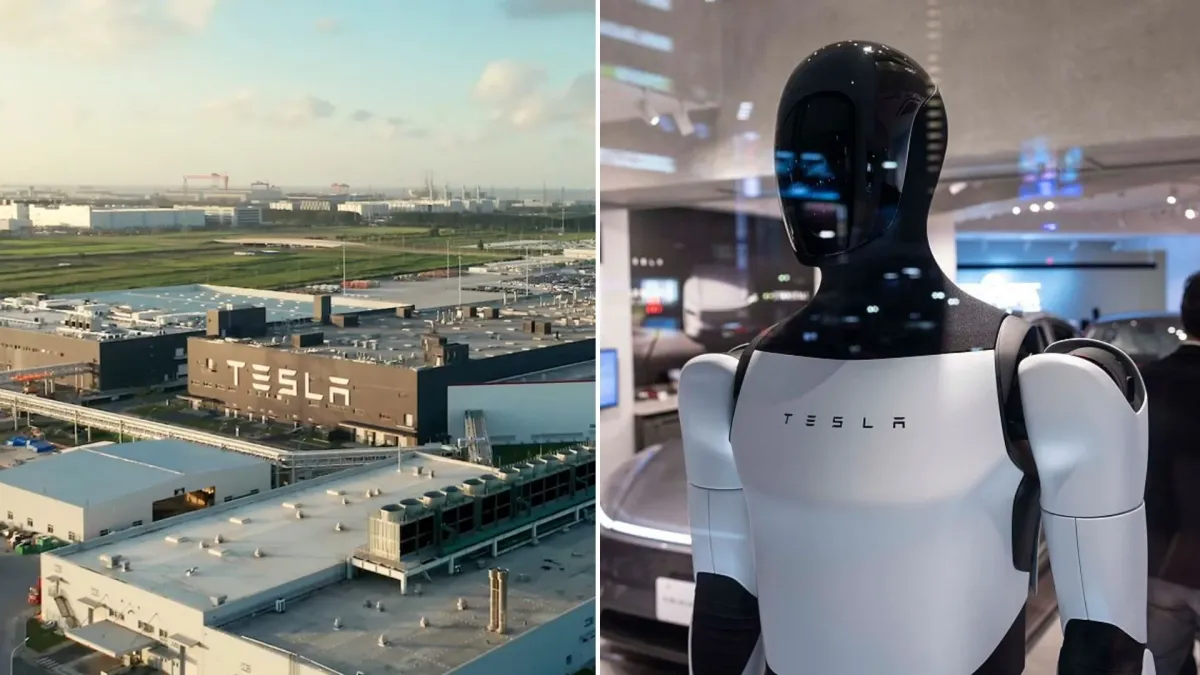
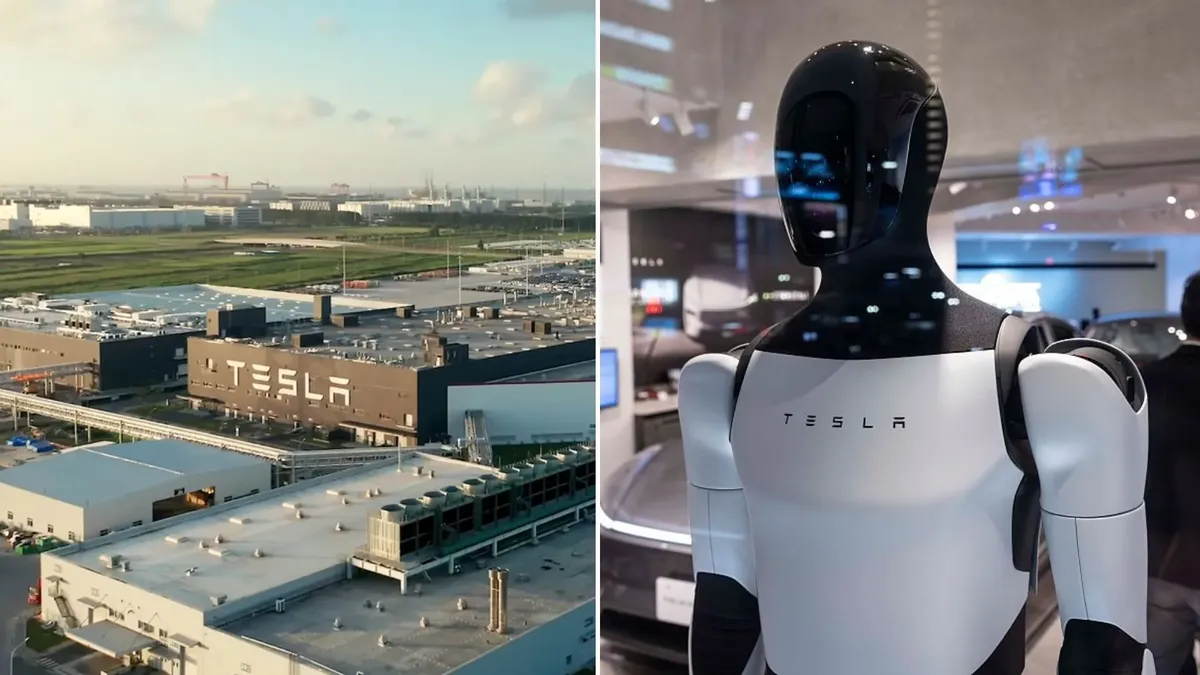
Tesla's Shanghai Gigafactory, already a titan of car production, might soon pivot to something even more ambitious: churning out humanoid robots. Because apparently, building millions of electric vehicles just isn't quite ambitious enough.
The idea comes from senior executive Allan Wang Hao, who, during a factory tour, casually dropped the bombshell that scaling up robot production is a "big challenge." And Giga Shanghai? It's the "golden key" to solving it. Details on how it'll do that were, naturally, scarce. But hey, a golden key is a golden key.
Tesla, it seems, is no longer just a car company. It's an AI and robotics company that happens to make cars. Elon Musk has been nudging investors to gaze beyond vehicle sales and focus on the shiny, self-driving, robot-tending future. He envisions a world where robots do the daily grind, like tidying up your home or, more importantly, caring for your elders.
We're a new kind of news feed.
Regular news is designed to drain you. We're a non-profit built to restore you. Every story we publish is scored for impact, progress, and hope.
Start Your News DetoxThis grand vision is already reshaping Tesla's manufacturing floor. Production lines are being repurposed. Less focus on certain car models, more on the Optimus humanoid robot. Because who needs another sedan when you can have a tireless, emotionless domestic helper?
Shanghai's Robot-Ready Credentials
The Shanghai Gigafactory isn't just big; it's a global powerhouse, pushing out hundreds of thousands of vehicles annually and serving as a critical export hub. Its sheer size and legendary efficiency make it an ideal candidate for Tesla's next big gamble. Plus, Tesla's increasing reliance on Chinese suppliers for robot parts makes the whole region a strategic goldmine. They're even diversifying into energy storage systems in Shanghai, just to really underscore their commitment.
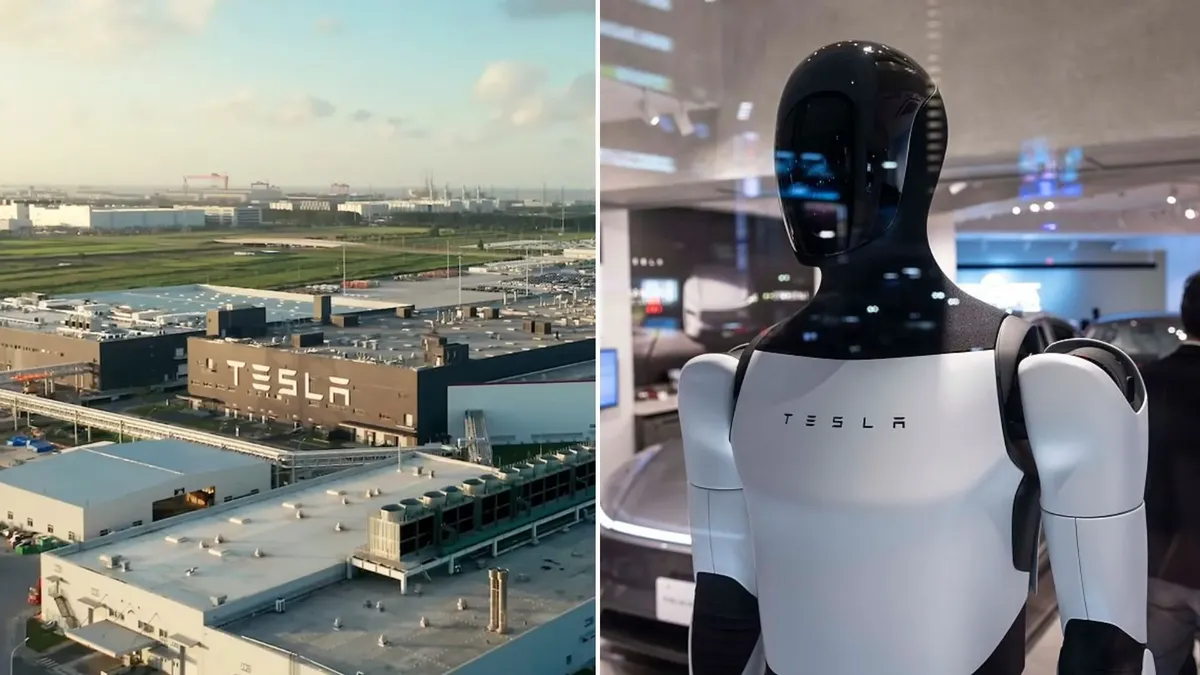
Now, humanoid robots are still in their awkward teenage phase. Experts estimate Tesla shipped fewer than 500 intelligent robots in 2025. That's a tiny number when you're talking about a robotic revolution. Bridging the gap between a handful of prototypes and mass production requires ready supply chains, hyper-efficient manufacturing, and AI that doesn't just fall over.
Tesla believes its manufacturing prowess, honed in factories like Shanghai, is the secret sauce. While we're still waiting for the blueprints, the implication is clear: those massive gigafactories could soon be less about moving humanity and more about building it, one robot at a time. Which, if you think about it, is both impressive and slightly terrifying.