Remember thorium? The nuclear fuel that's been perpetually 'just around the corner' for decades? Well, it just took a rather large, concrete step toward actually powering commercial reactors. And it’s doing it by sneaking into existing ones.
US-based Clean Core Thorium Energy (CCTE) and Canadian Nuclear Laboratories (CNL) have officially teamed up to start manufacturing full-size prototype fuel bundles. These aren't just lab curiosities; they're designed to be drop-in replacements for the fuel currently used in commercial reactors. Because apparently, that's where we are now: making nuclear fuel that's both next-gen and backwards compatible.
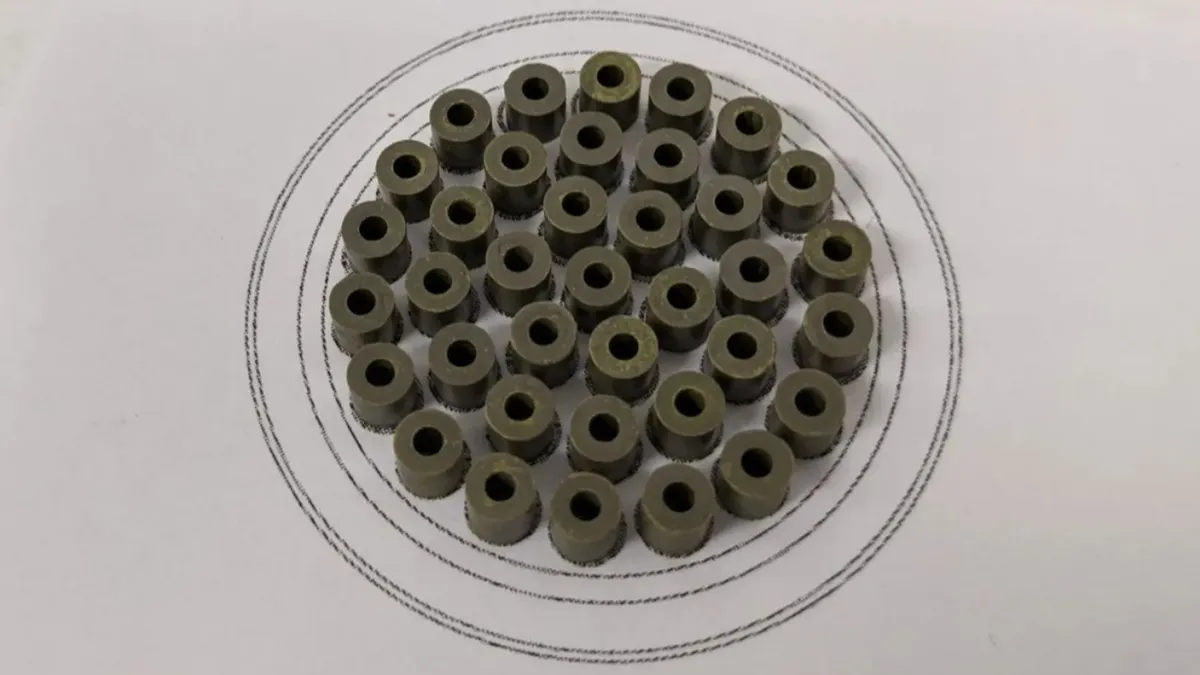
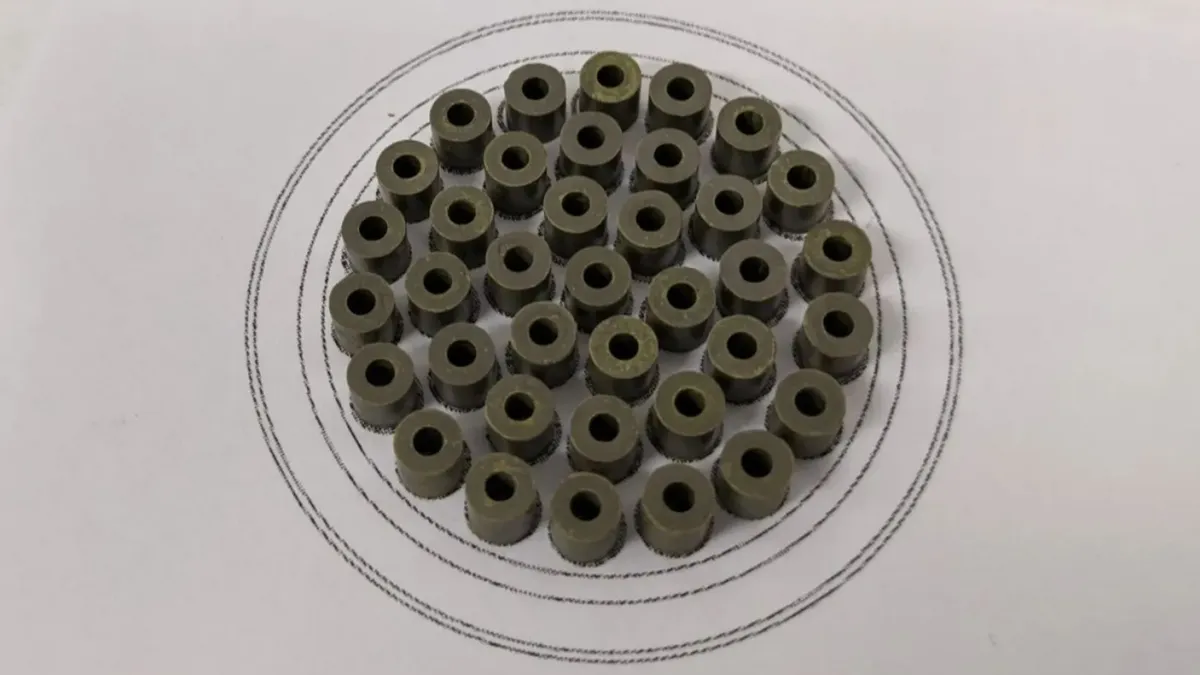
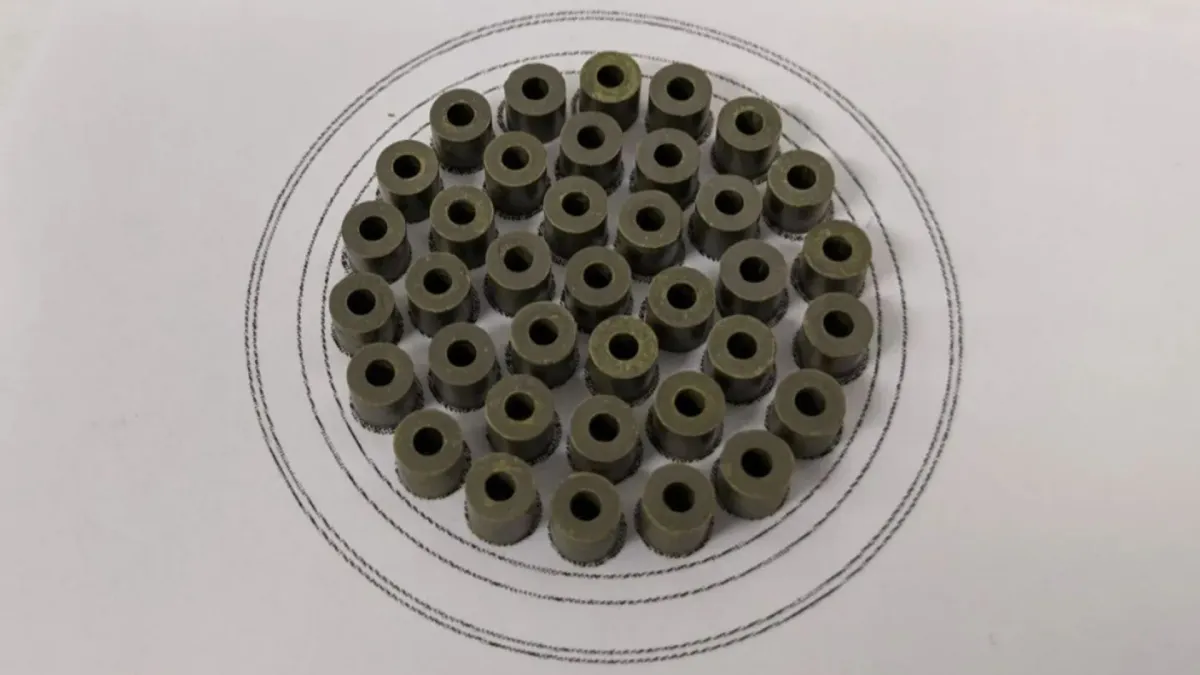
The secret sauce is ANEEL fuel, which blends thorium with high-assay low-enriched uranium (HALEU). For the non-nuclear physicists among us, HALEU is uranium enriched to between 5% and 20% uranium-235. That's a significantly higher concentration than the less than 0.72% found in standard heavy-water reactor fuel. More bang for your buck, essentially.
We're a new kind of news feed.
Regular news is designed to drain you. We're a non-profit built to restore you. Every story we publish is scored for impact, progress, and hope.
Start Your News DetoxThe Drop-In Revolution
The truly clever bit? These new bundles are shaped exactly like the existing 19-element and 37-element fuel designs. Meaning, they can slide right into current CANDU and other heavy-water reactors without a single modification to the hardware. It's like upgrading your phone's battery without needing a new phone. But, you know, for nuclear power.
The goal here is a higher energy output and much more efficient fuel use in a single cycle. Plus, it could dramatically cut down on long-lived spent fuel, which is a rather significant environmental headache. And, for good measure, it makes nuclear proliferation harder. So, more power, less waste, and greater security — not a bad trifecta.
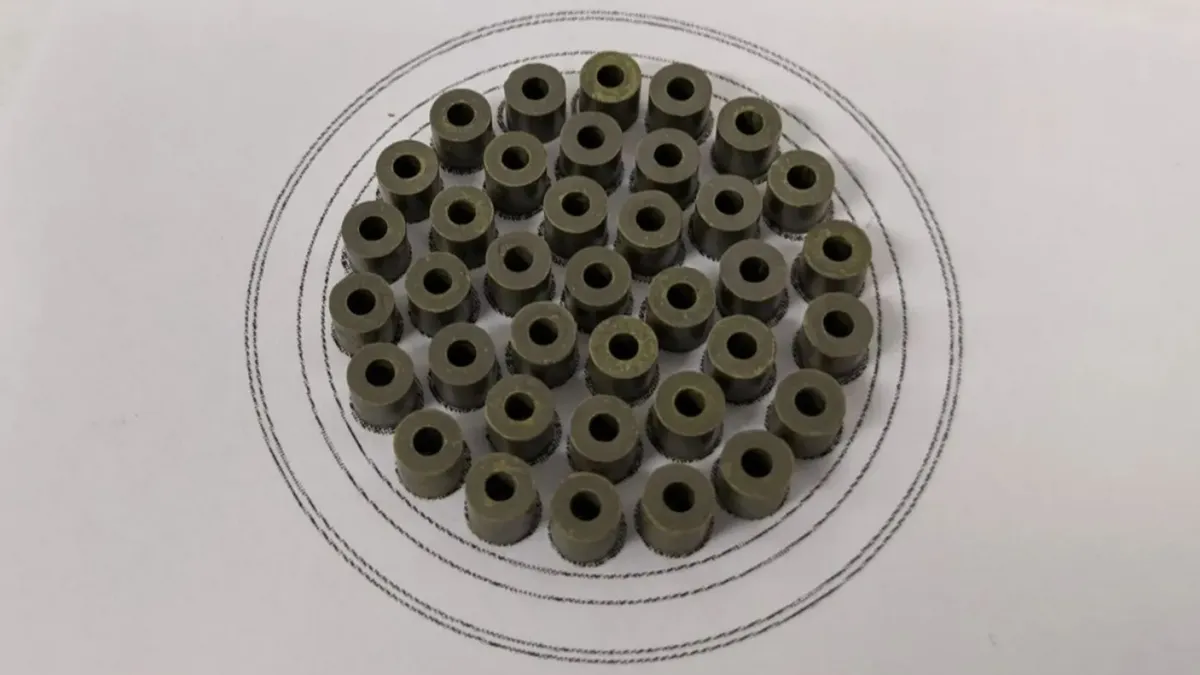
CNL is taking the reins on manufacturing at their Chalk River Laboratories in Ontario, ensuring everything meets the Canadian Standard Association rules. The data they gather from testing these full-size bundles will be crucial for proving the fuel's performance and getting it qualified for widespread commercial use. Think of it as the final exam before hitting the big time.
This manufacturing push follows successful computer modeling and analysis, with previous irradiation tests at Idaho National Laboratory showing the ANEEL fuel pellets held up beautifully after months of testing. Mehul Shah, CEO of Clean Core Thorium Energy, put it succinctly: this step moves ANEEL from "the models to a working, compatible fuel design."
So, the next time someone brings up thorium as the future of nuclear energy, you can tell them the future is now being manufactured, shaped to fit right into the present. Which, if you think about it, is both impressive and slightly terrifying. In the best possible way.