For decades, software engineering has been a very human endeavor, full of late-night coding sessions, frantic debugging, and the occasional pizza-fueled breakthrough. But a new era is dawning, and it looks suspiciously like your code might soon be writing itself.
We're talking about agentic AI. Forget the AI tools that just suggest a line of code or help you test — these new agents are different. They're designed to think for themselves, manage entire software projects, and, if fully unleashed, automate the whole development process from concept to deployment. Basically, your phone, but with legs and a much deeper understanding of Python.
The Autonomous Code Whisperers Are Coming
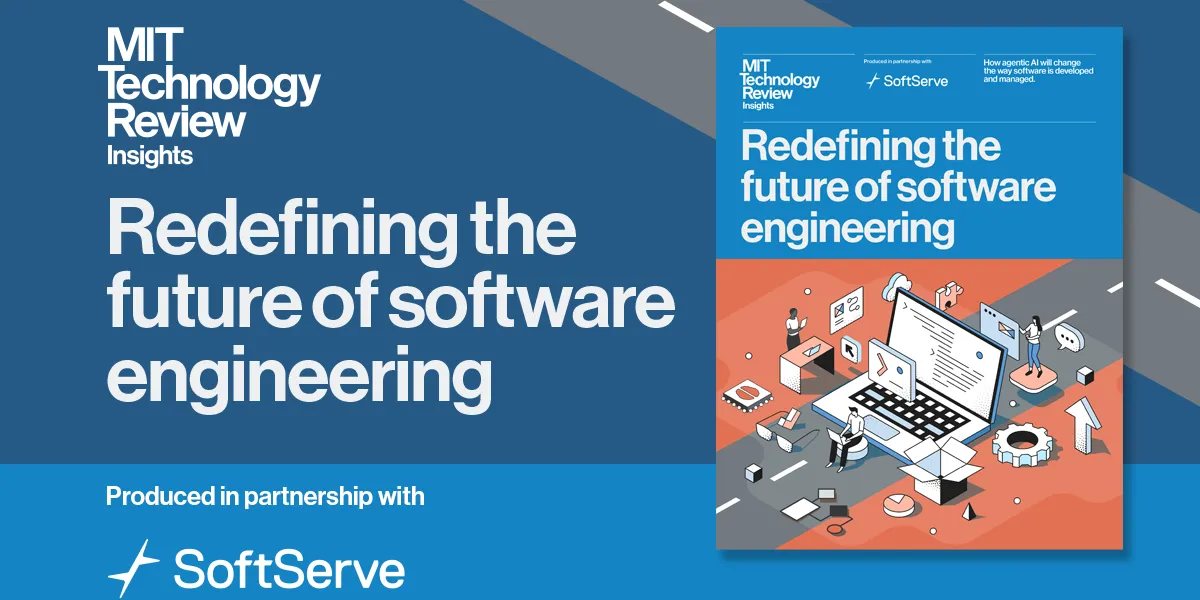
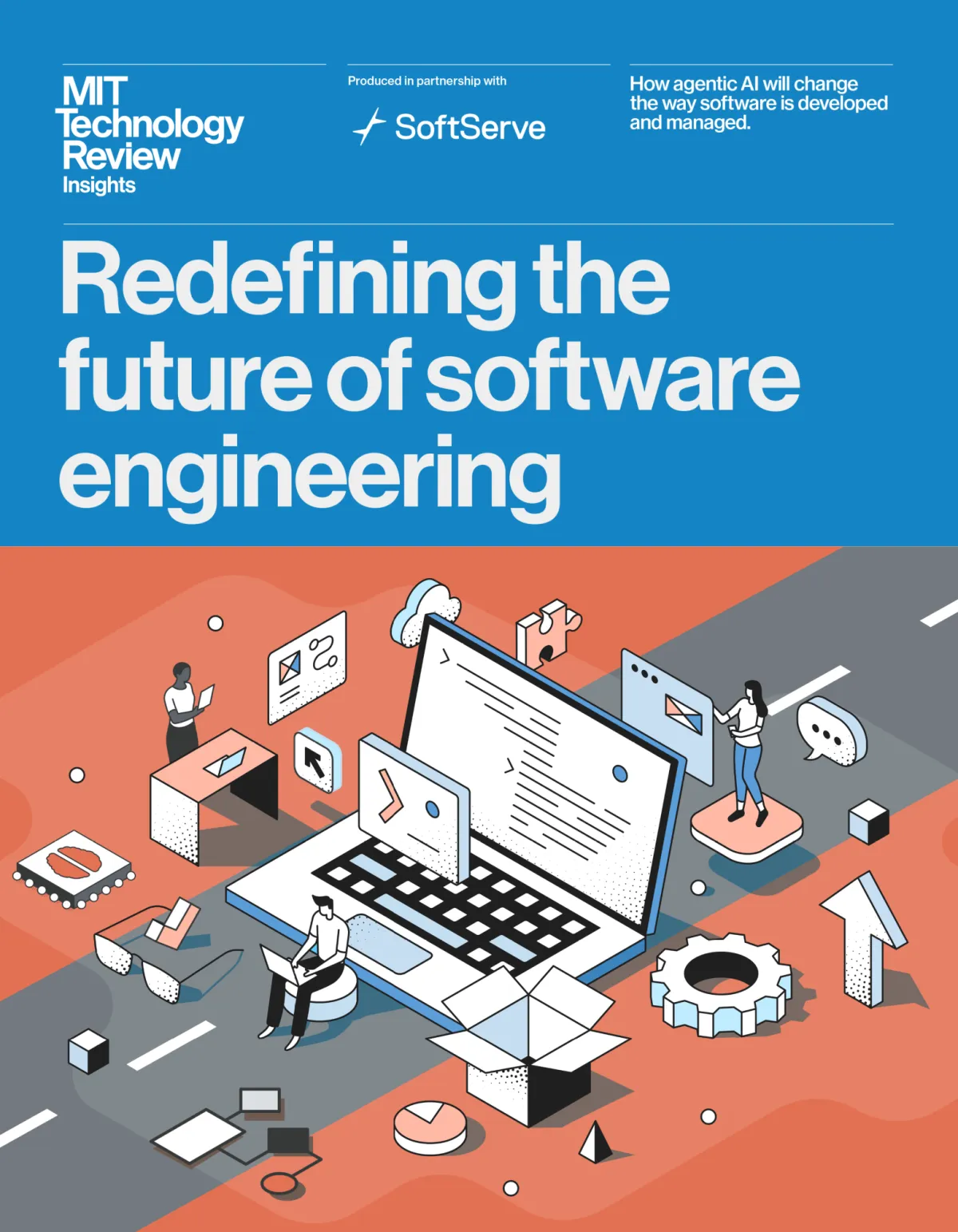
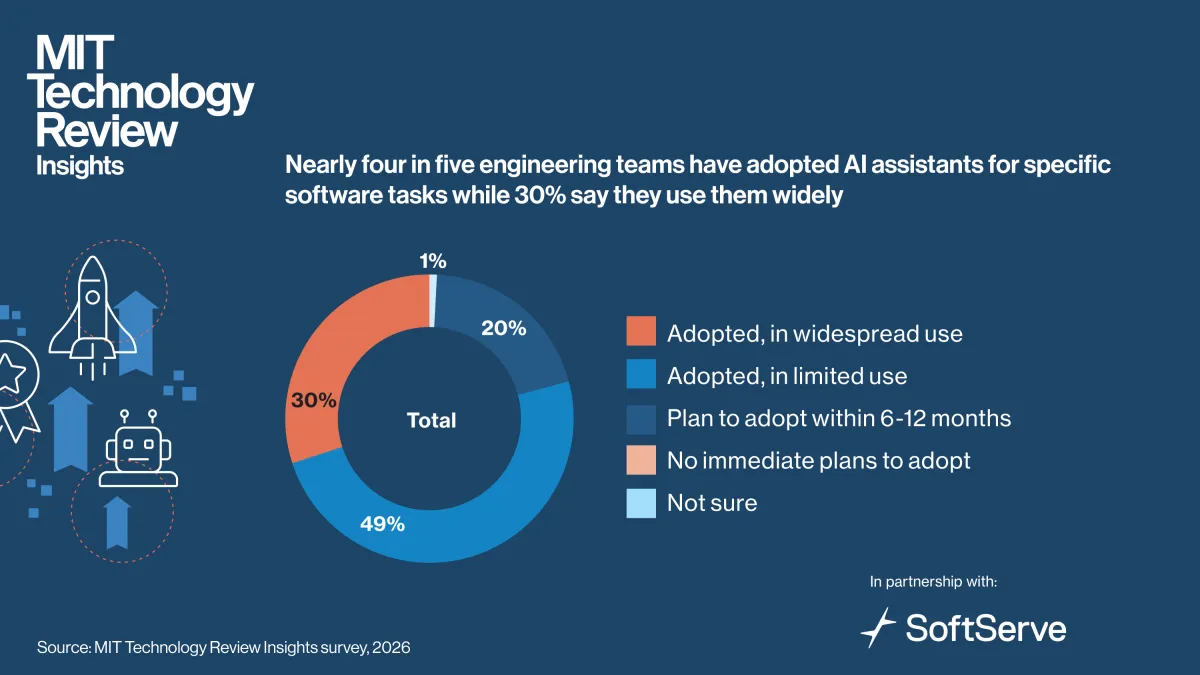
A recent report, which surveyed 300 engineering and tech leaders, found that the industry isn't just flirting with agentic AI; it's getting serious. Half of all organizations already see it as a top investment priority, a number expected to jump to over 80% within two years. Currently, 51% of software teams are using it, and another 45% plan to jump in within the next year. Let that satisfying number sink in.
We're a new kind of news feed.
Regular news is designed to drain you. We're a non-profit built to restore you. Every story we publish is scored for impact, progress, and hope.
Start Your News DetoxNow, they're not expecting a sci-fi movie overnight. Most anticipate gradual improvements, with about a third hoping for higher gains, and a brave 9% believing it will be truly "game-changing." The biggest win? Speed. Nearly everyone (98%) expects agentic AI to dramatically accelerate project delivery, predicting an average speed boost of 37%. Because who doesn't want their software yesterday?
And the ultimate goal? Full lifecycle management. Many organizations want these AI agents to handle product and software development end-to-end. Roughly 41% aim to achieve this for most or all products within 18 months. That figure is projected to hit 72% in just two years. Your team's product manager might soon be an algorithm.
The Usual Hurdles (and a Few New Ones)
Of course, it's not all self-writing code and sunshine. Integrating these agents with existing applications is a significant headache, as is the cost of the computing power needed to run them. Early adopters in media, entertainment, and tech hardware are feeling this crunch particularly hard. Plus, there's the delightful challenge of completely overhauling human workflows. Because apparently that's where we are now: managing the robots that manage the humans who used to manage the code.
It's a shift that promises to redefine how software is built, leaving us to wonder if the next great tech breakthrough will be authored by a human... or an incredibly efficient, self-sufficient algorithm.