Remember when robots were basically just fancy Roombas with aspirations? Well, a team at KAIST just pushed the envelope, giving four-legged bots a control system so sharp, they can now practically feel the ground beneath their metallic feet.
Meet DreamWaQ++. It's like giving a robot a brain and a pair of really good glasses. Previous robot systems could walk, sure, but they were mostly stumbling through life, reacting only after bumping into something. Imagine navigating a dark room by just walking into furniture. Not exactly elegant.
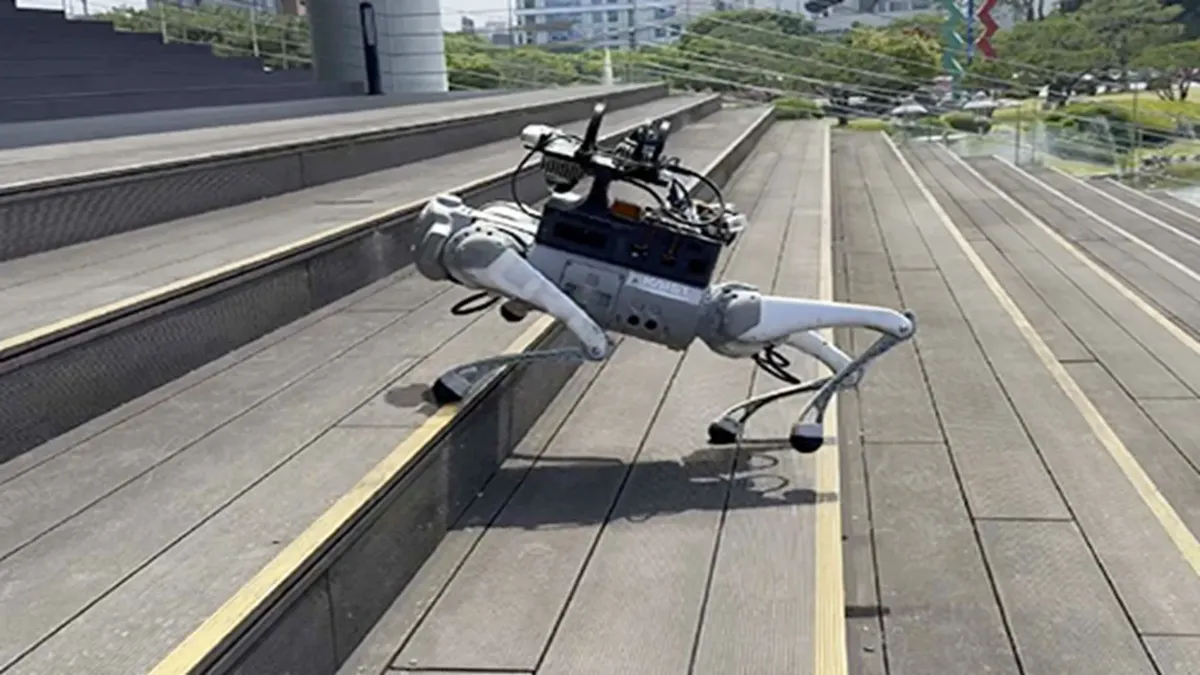
DreamWaQ++ changes that by combining what the robot sees (with cameras and LiDAR) with what it feels (internal sensors). So now, instead of a "whoops, there's a wall!" moment, the robot can spot a hazard, process it, and adjust its gait before it becomes a problem. Because apparently that's where we are now: robots with better spatial awareness than most teenagers.
We're a new kind of news feed.
Regular news is designed to drain you. We're a non-profit built to restore you. Every story we publish is scored for impact, progress, and hope.
Start Your News DetoxThe World Through a Robot's Eyes (and Sensors)
This isn't just about avoiding a rogue pebble. The system processes a ton of sensor inputs simultaneously, yet keeps the calculations light enough for instant reactions. It's like a super-efficient, multi-tasking brain that doesn't get bogged down. And if one sensing mode fails? It switches to another, because even robots need a backup plan.
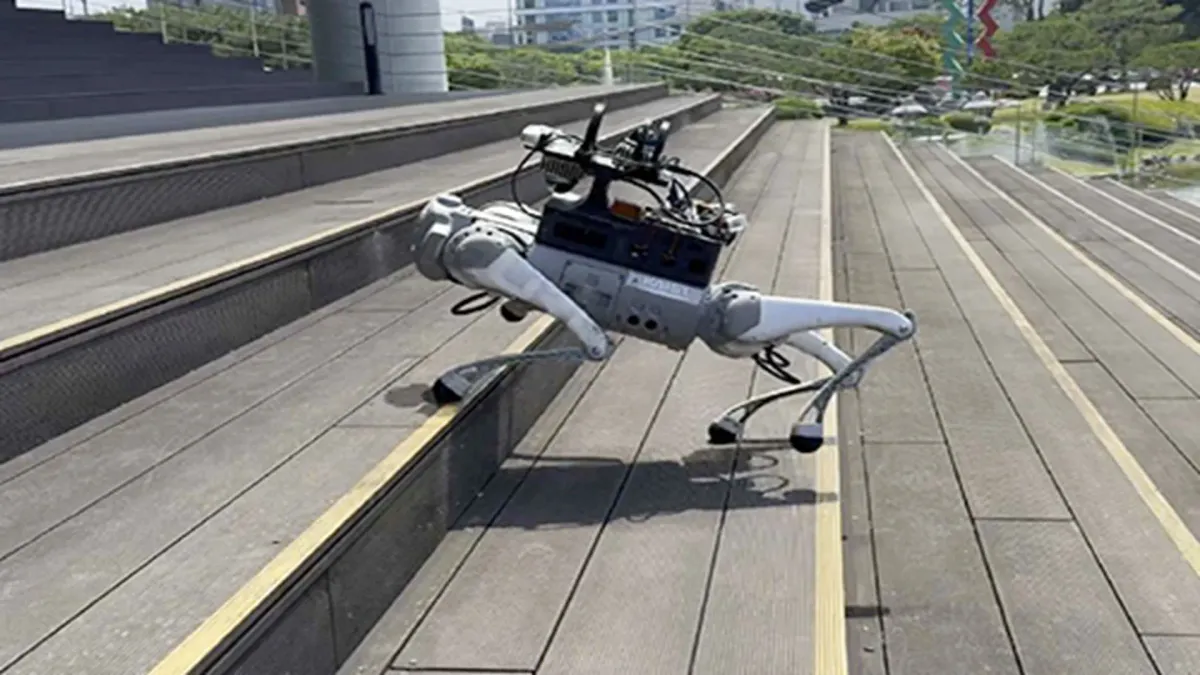
The results? Pretty impressive. One robot scaled a 50-step staircase – 30 meters horizontally and 7 meters vertically – in a mere 35 seconds. It also tackled slopes up to 35 degrees, well beyond its training conditions, all while using less power. It even showed a charmingly human-like curiosity, pausing to check out drop-offs before committing. It's almost... thoughtful.
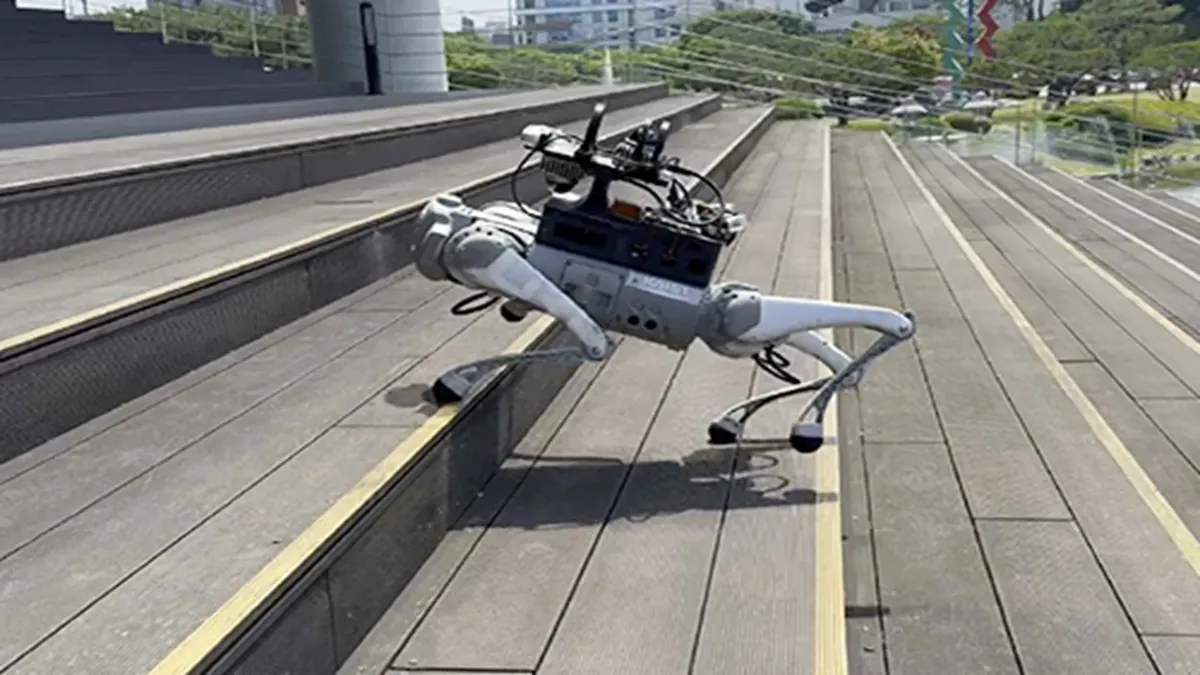
In obstacle tests, this savvy bot cleared barriers taller than itself, even with extra weight, demonstrating a balance that would make a tightrope walker jealous. The real magic? It wasn't just repeating trained movements. It adapted, handling real-world structures far larger than what it learned on. That's genuine smarts, not just rote memorization.
Researchers envision this tech expanding to wheeled-and-legged robots, and even humanoids. Think inspection bots navigating disaster zones, smart farming machinery, or forestry robots that don't get stuck in the mud. Professor Hyun Myung, who led the study, puts it best: robots are moving beyond just movement. They're understanding, deciding, and basically becoming the independent thinkers we always secretly feared/hoped they'd be.