Most of us, at some point, have probably seen a potato launched from a PVC pipe. It's a classic bit of DIY science. But where some see a spud-powered projectile, others see... a medical delivery system. Because, apparently, that's where we are now.
Enter Emily, known online as Emily the Engineer. She looked at the humble EpiPen, a life-saving autoinjector for severe allergic reactions, and thought, "What if we could shoot that? From a distance? Repeatedly?"
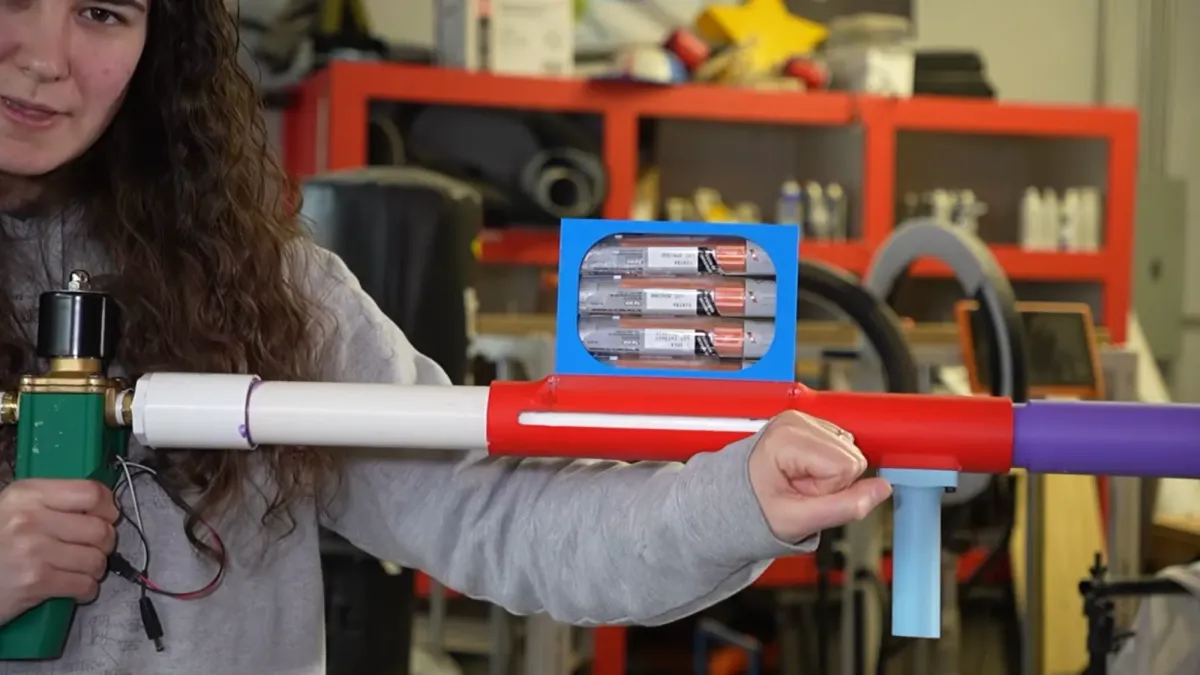
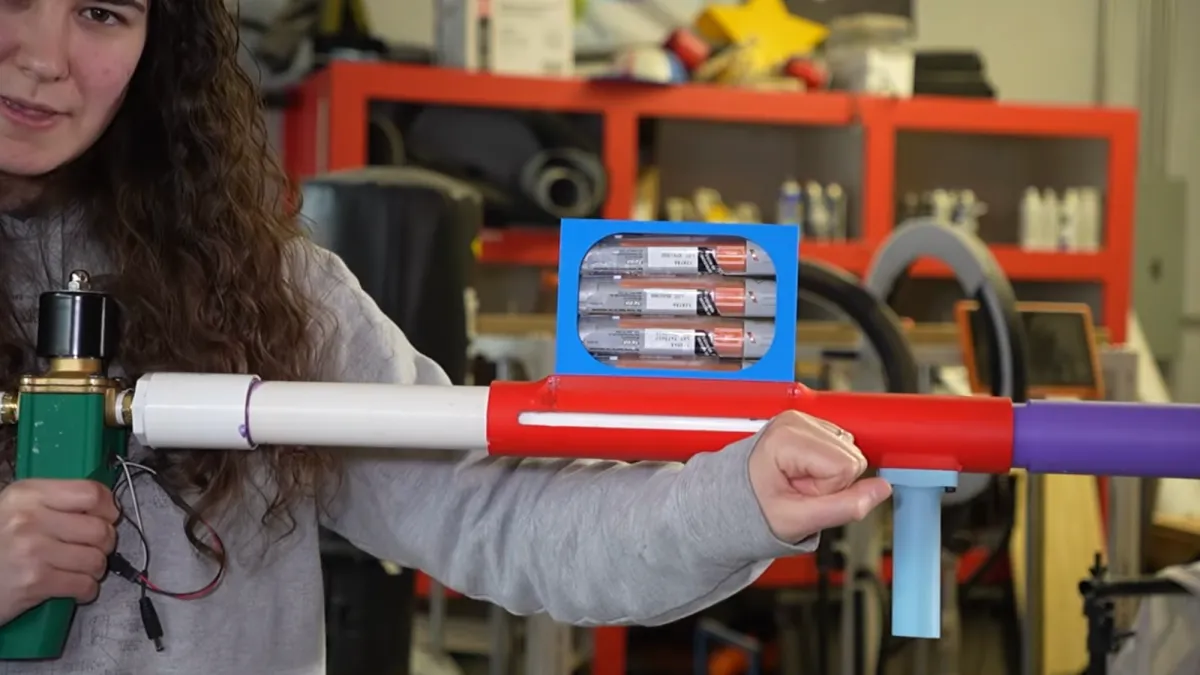
And thus, the EpiPen Launcher was born. Because why just carry an EpiPen when you can catapult one? (Figuratively speaking. It's more of a cannon.)
We're a new kind of news feed.
Regular news is designed to drain you. We're a non-profit built to restore you. Every story we publish is scored for impact, progress, and hope.
Start Your News DetoxThe Future of Emergency Medicine? Probably Not.
EpiPens, for the uninitiated, are little miracles that deliver a precise dose of epinephrine (adrenaline) to someone in anaphylactic shock. You press it against the skin, a needle deploys, and boom — life saved. FDA-approved since '87, they've been doing their quiet, heroic work ever since.
Emily's invention, however, takes a slightly less quiet approach. Her team didn't just build a single-shot device; they went full bolt-action. We're talking a 3D-printed mechanism that holds a magazine of up to four EpiPens. Four! Because if you're going to try to hit someone having a medical emergency from afar, you might need a few tries. Accuracy isn't exactly a given when you're dealing with, you know, a cannon.
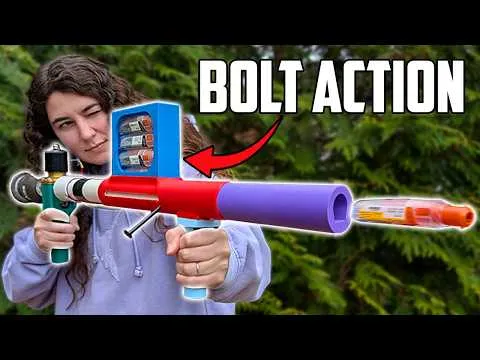
They even tucked an air compressor into a backpack, connected by a hose, ensuring a continuous supply of pressurized air. For science. Or perhaps for the sheer joy of it.
After a series of tests, firing practice pens into ballistic gel, they managed to inject some epinephrine from across a garage. Outside, the launcher could hurl a pen about 105 feet. The catch? It's unlikely the pen would retain enough velocity to actually penetrate skin at that distance. So, while the EpiPen Launcher probably won't be making its way into paramedics' kits anytime soon, it's an undeniably fascinating, slightly absurd, and thoroughly entertaining piece of engineering. Just don't try this at home, kids. Or anywhere, really.