You know that pair of running shoes currently collecting dust in your closet? The ones that felt great for the first mile, then started actively plotting against your feet? What if they actually improved with every run?
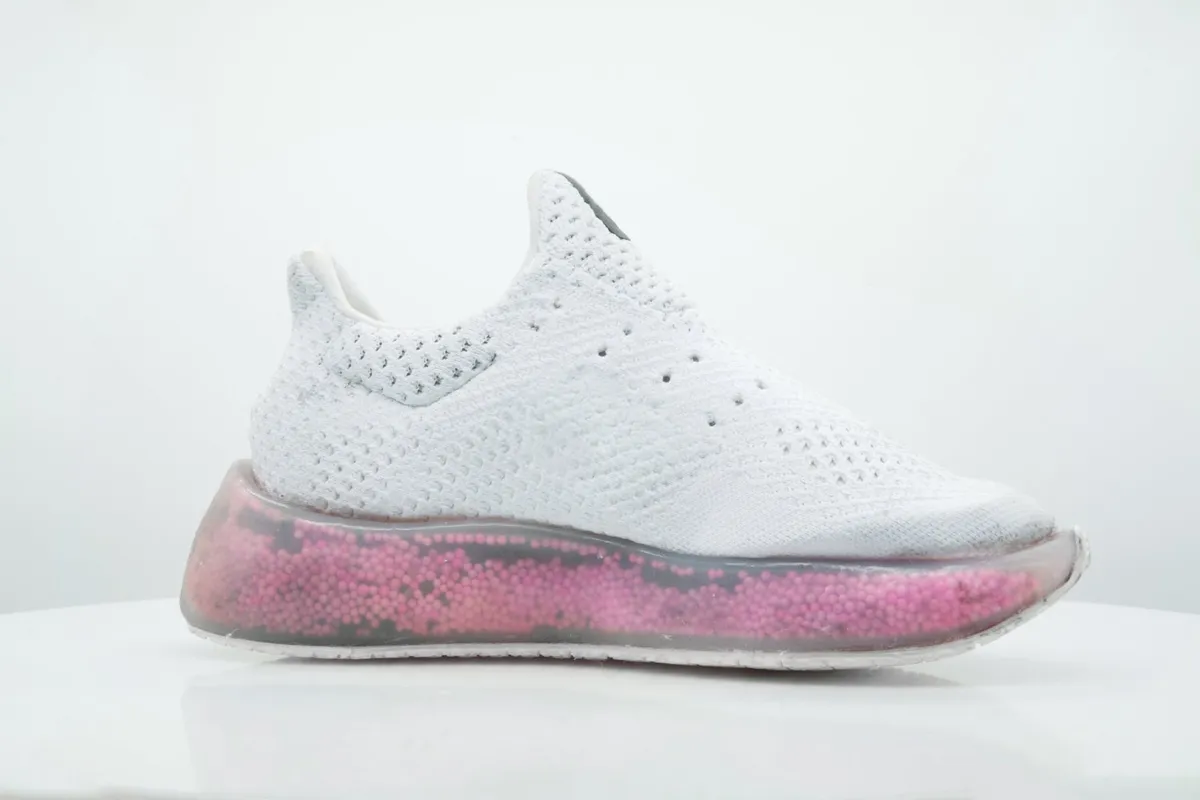
MIT associate professor Skylar Tibbits and his team are cooking up a new kind of running shoe midsole that does just that. It uses a delightfully named process called granular convection to literally adapt to your foot's unique shape and running style over time. Because apparently, even your sneakers can learn now.
The Brazil Nut Effect, But For Your Feet
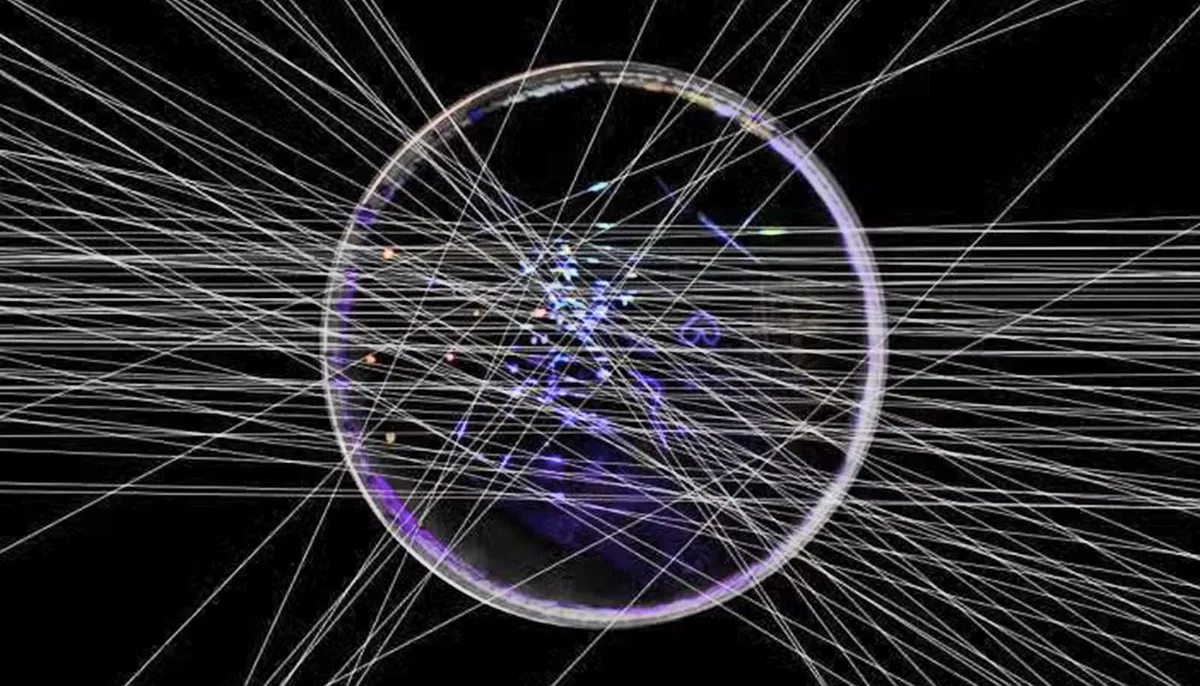
Granular convection sounds fancy, but you've probably seen it in action. Ever shake a bag of mixed nuts and notice the bigger Brazil nuts somehow migrate to the top? That's the "Brazil nut effect" — different-sized particles sorting themselves out when agitated. Tibbits' team has taken this snack-time phenomenon and applied it to footwear, which, if you think about it, is both impressive and slightly terrifying.
We're a new kind of news feed.
Regular news is designed to drain you. We're a non-profit built to restore you. Every story we publish is scored for impact, progress, and hope.
Start Your News DetoxTraditional running shoe midsoles are, well, static. They're a one-size-fits-all solution for a world full of unique feet and running gaits. Tibbits' adaptive midsole flips that script, offering three rather compelling advantages:
First, personalized shoes for everyone. Not just the elite athletes with their custom-molded gear. These shoes are mass-produced but become custom-fit simply by you, you know, using them. Which feels like a cheat code for comfort.
Second, they evolve as you do. Your needs change? Your running style shifts? The shoe adapts, providing the right comfort, cushioning, and protection. Essentially, your footwear gets smarter and performs better the more miles you log.
Third, it's a win for manufacturing. Instead of bespoke, one-off shoes that are a logistical nightmare, these can be cranked out en masse. The customization happens on your foot, not on the factory floor, without changing a single step of the production process. Let that satisfying number sink in.
The Secret Sauce: Particles and Pounding Pavement
The magic happens inside the midsole, which is filled with particles of varying stiffness, materials, and sizes. As you walk, run, or simply vibrate through your day, these particles jostle and sort themselves. Softer, larger particles gravitate towards your foot, while stiffer, smaller ones sink to the bottom. The team engineered the particles and the shoe's internal structure to control this movement, ensuring a perfect, ever-improving fit.
They found these shoes could evolve significantly over about 20,000 steps — roughly the distance of a marathon. And for those who prefer to speed things up (or slow them down), the process can be adjusted.
Beyond running shoes, Tibbits sees this adaptive tech showing up in some unexpected places. Imagine custom packaging that forms the perfect cushion for a fragile item during shipping, then gets "reset" and reused. Or wheelchair cushions that adapt to a person's posture and different terrains. Because why should only your feet get all the personalized comfort?
And for the truly dedicated runner, the team is even exploring how to "reset" the shoes. Want to switch from road racing to trail running? Just empty and refill the midsole with different particles. It's like having a whole new shoe without actually buying one, which is both clever and, dare we say, a little sustainable.