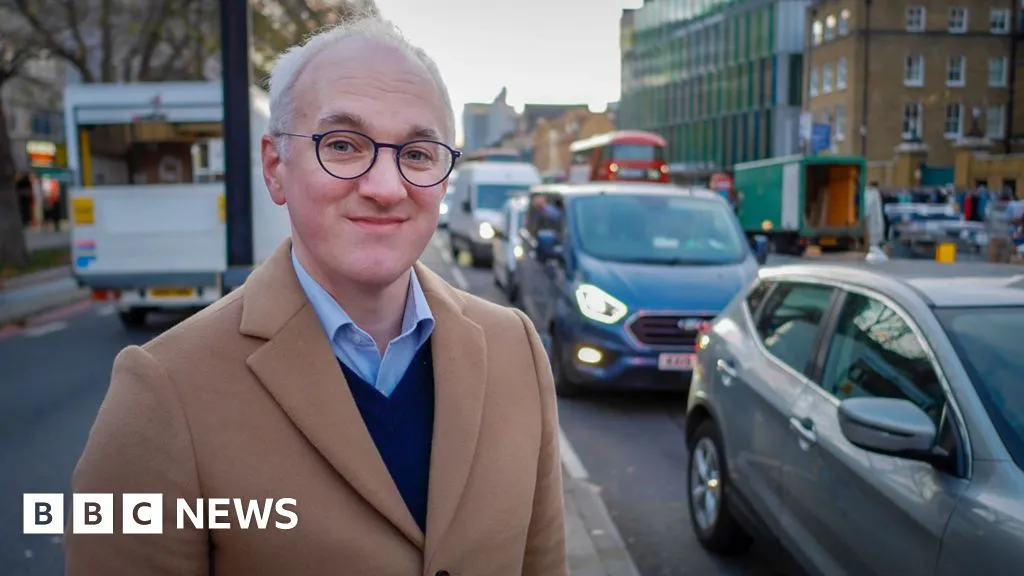
A BBC journalist volunteered to breathe London traffic fumes for 10 minutes, then had his blood examined under a microscope. What researchers found was stark: tiny black particles of carbon and chemicals clinging to his red blood cells.
These are PM 2.5 particles—smaller than a grain of sand—created when vehicles burn fuel incompletely. On average, about 1 in every 2,000 to 3,000 red blood cells had picked up a particle. Scale that up, and an adult's body could be transporting pollution via roughly 80 million contaminated blood cells right now.
"Pretty shocked" was how one researcher described seeing the particles so clearly visible in the blood. It's the kind of moment that makes abstract health data suddenly concrete.
We're a new kind of news feed.
Regular news is designed to drain you. We're a non-profit built to restore you. Every story we publish is scored for impact, progress, and hope.
Start Your News DetoxWhere It Goes From There
Here's what makes this discovery matter beyond the lungs: these particles don't simply get breathed back out. Some are filtered by the kidneys, but most appear to "wiggle through" the linings of blood vessels and lodge in organs. This helps explain why air pollution has been linked to health problems far beyond respiratory issues—damage to the brain, complications in pregnancy, heart attacks, strokes.
The World Health Organization estimates that 99% of the world's population breathes polluted air. That translates to 7 million deaths annually worldwide. In the UK alone, poor air quality is estimated to kill 30,000 people each year. The mechanism is inflammation: pollution particles trigger the body's inflammatory response, which cascades into serious cardiovascular and cellular damage.
What makes this worse is how invisible it is. You can't see PM 2.5. You can't taste it. But the microscope doesn't lie.
What Actually Works
The practical advice is limited but honest. Walking on quieter side streets instead of main roads reduces exposure. Keeping distance from traffic—especially important for babies in strollers who breathe closer to exhaust pipes—helps. Tight-fitting masks offer some protection, though they're not a complete solution and aren't realistic for daily life.
The real change requires policy. Stricter vehicle emissions standards and the transition to electric vehicles address the source rather than asking individuals to simply avoid breathing. Several countries are already moving in this direction, with some cities reporting measurable improvements in air quality as electric vehicle adoption accelerates.
The particles in that journalist's bloodstream will eventually clear. But the research they revealed—that pollution doesn't stay in your lungs, that it travels through your entire body—shifts how we should think about air quality. It's not a distant environmental issue. It's happening inside you right now.