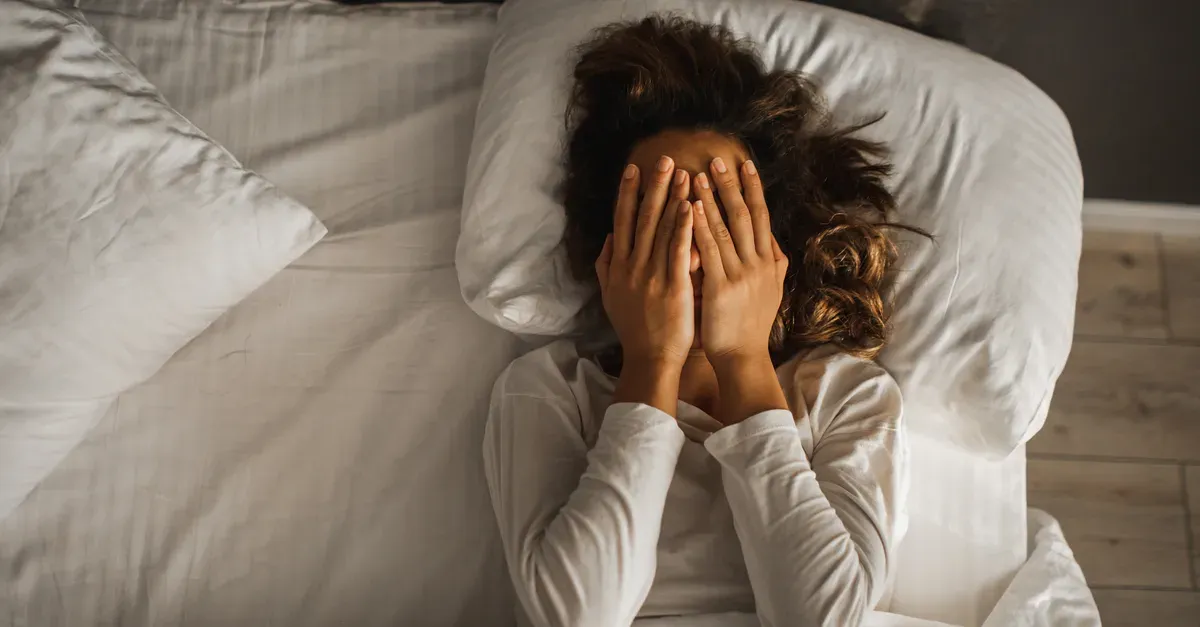
Most nights, sleep is just sleep. But sometimes what happens after you close your eyes tells a different story — one your body is trying to communicate. An estimated 50 to 70 million Americans experience sleep-related problems, according to the American Sleep Apnea Association. Some of these are just noise from the neighbor's dog or a partner stealing the blankets. Others are signs that something needs attention.
The key difference is persistence. A rough night here and there is normal. A pattern of the same symptom night after night — that's worth taking seriously.
What to watch for
Gasping for air during sleep is often sleep apnea, where breathing repeatedly stops and starts. It can also signal postnasal drip or acid reflux. A sleep specialist can order a study to confirm what's happening and recommend treatments like a CPAP device, which keeps your airway open while you sleep.
We're a new kind of news feed.
Regular news is designed to drain you. We're a non-profit built to restore you. Every story we publish is scored for impact, progress, and hope.
Start Your News DetoxSnoring that's loud and frequent (not just occasional) can also point to sleep apnea, usually caused by airway narrowing. It might also be linked to allergies or weight-related changes. A sleep study identifies the cause, and solutions range from sleeping on your side to using nasal devices or oral appliances.
Waking up multiple times each night to urinate — called nocturia — happens to everyone occasionally, but frequent episodes can signal bladder infections, diabetes, or kidney issues. Keeping a simple log of when you wake and how often helps your doctor spot patterns.
Teeth grinding (sleep bruxism) is often stress-related and can wear down your teeth over time. A custom mouth guard protects them while you address the underlying tension. Sleepwalking and sleep talking are parasomnias — undesirable behaviors during sleep — that can stem from sleep deprivation, stress, anxiety, or certain medications. A specialist can diagnose and suggest preventative measures.
Chronic nightmares that feel distressing night after night may connect to anxiety, depression, or PTSD. Treatments include adjusting medications, learning stress-reduction techniques, or imagery rehearsal therapy — a specific approach where you work with a therapist to rewrite the nightmare while awake.
Falling asleep extremely quickly might seem like a gift, but it can signal sleep deprivation or sleep disorders like narcolepsy. Similarly, sleep-related eating — consuming food while fully asleep — can be drug-induced or linked to other sleep issues and warrants professional evaluation.
What to do next
The move that matters most is simple: track what's happening. Write down when symptoms occur, how often, and what else is going on (stress, new medications, schedule changes). Bring this record to your doctor. Many sleep disorders are highly treatable once diagnosed — the barrier is usually just getting the diagnosis in the first place.
A sleep specialist can order studies if needed, but often a detailed conversation about your patterns is the first step. The point isn't to panic over one odd night. It's to notice when your sleep is trying to tell you something, and to listen.