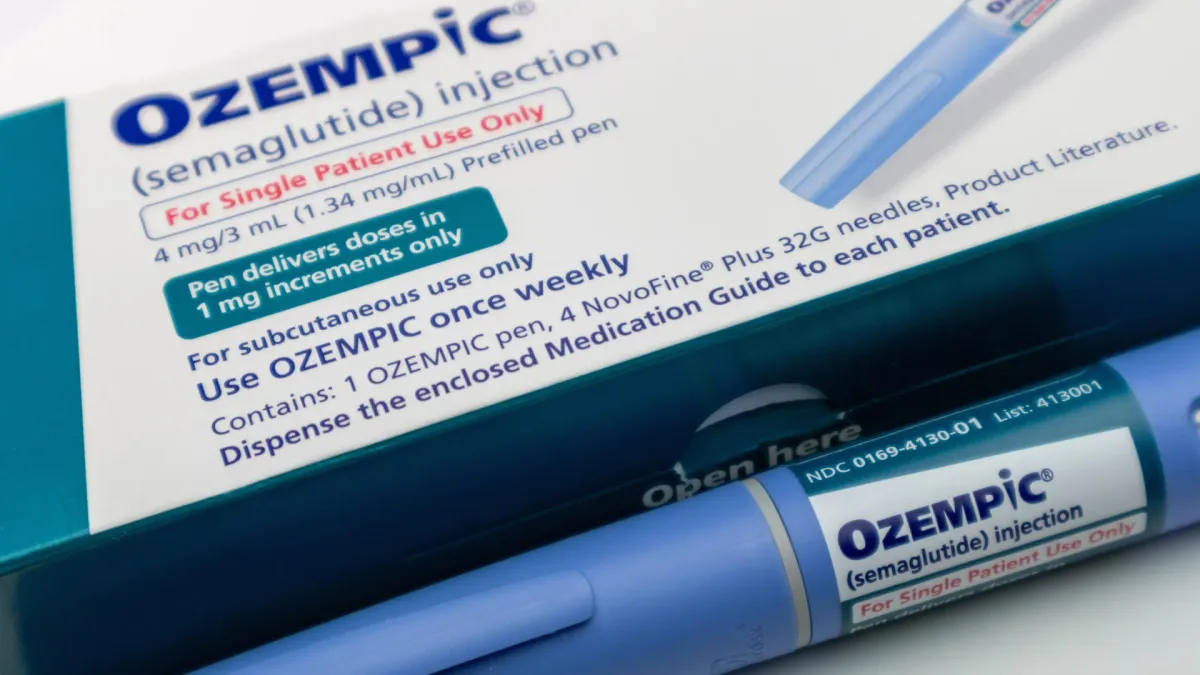
People taking Ozempic and Wegovy aren't just eating less — they're spending noticeably less on food. A new analysis of real purchase data from 150,000 households shows that within six months of starting a GLP-1 medication, the average household cuts grocery spending by 5.3%. For wealthier households, the drop exceeds 8%.
The research, published in the Journal of Marketing Research, tracked actual transaction records rather than relying on people's memory of what they ate. Sylvia Hristakeva, an assistant professor of marketing, paired grocery and restaurant receipts with survey data asking households whether they were using GLP-1 drugs, when they started, and why. This approach let researchers compare similar households — some on the medication, some not — to isolate what actually changed.
Where the Money Stops Flowing
The cuts weren't random. Spending on savory snacks dropped about 10%, with similar declines in sweets, baked goods, and cookies. Purchases of basics like bread, meat, and eggs also fell, suggesting these drugs genuinely reshape what people buy, not just how much.
We're a new kind of news feed.
Regular news is designed to drain you. We're a non-profit built to restore you. Every story we publish is scored for impact, progress, and hope.
Start Your News DetoxA few categories bucked the trend. Yogurt purchases rose most noticeably, followed by fresh fruit, nutrition bars, and meat snacks — foods that align with how GLP-1 users describe their changing preferences. But these increases were small compared to the overall decline.
The spending cuts held steady for at least a year among people who stayed on the medication. Those who stopped saw the effect gradually fade, eventually blending back into their previous spending patterns.
What This Means Beyond the Checkout
For the food industry, this is a significant shift. If GLP-1 use continues expanding — and current adoption rates suggest it will — snack food manufacturers, fast-food chains, and coffee shops face real demand changes. Some are already rethinking package sizes and product formulas. Retailers may need to adjust shelf space and promotions.
The findings also raise a quieter question for public health. Food taxes, nutrition labels, and education campaigns have had limited success changing what people buy. But a medication that alters appetite — a biological lever rather than an information one — appears to shift purchasing behavior more decisively. That doesn't mean pills are the answer to food system problems. It does suggest that how we eat is shaped as much by biology as by choice, price, or knowledge.
For now, researchers are watching whether these spending patterns hold as more Americans adopt the drugs and as the initial novelty of appetite suppression wears off.