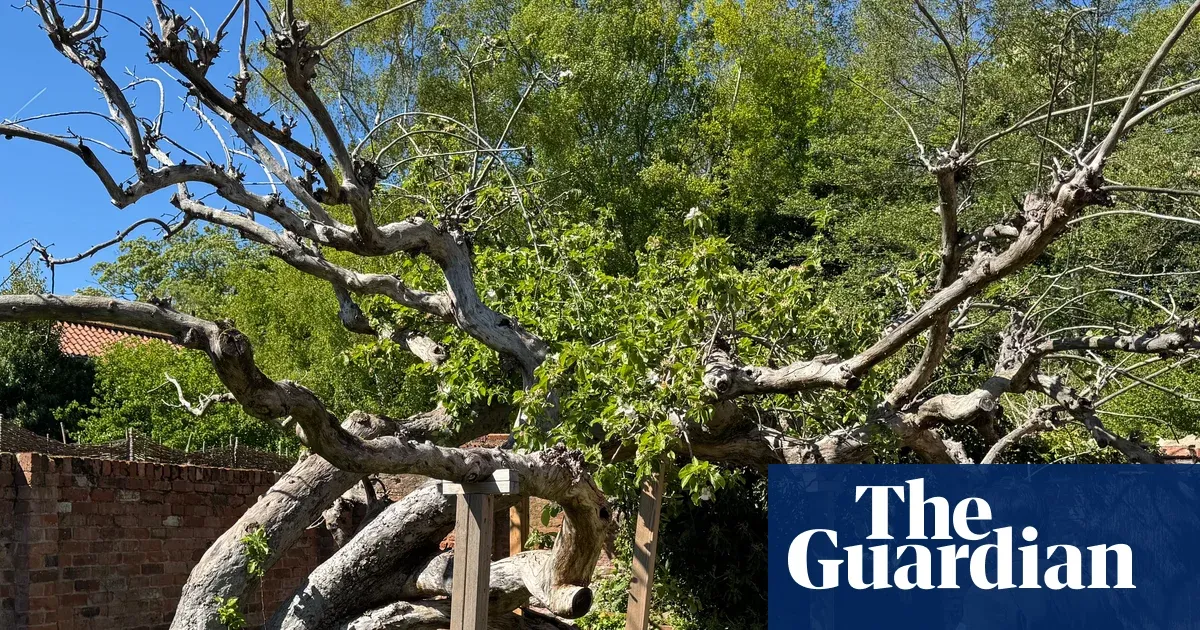
Every single Bramley apple you've ever baked, stewed, or turned into cider can be traced back to one specific, rather ancient tree. It's over 220 years old, still fruiting, and currently sitting in a cottage garden in Southwell, Nottinghamshire. The catch? Its home is for sale, and campaigners are in a frantic race to buy it before it disappears into private hands.
This isn't just any old tree. Planted from a pip by a young girl named Mary Ann Brailsford in the early 1800s, it's a living legend. It's recognized as one of Britain's 50 most important historic trees, which sounds impressive until you realize it has zero legal protection. Think of it as a national treasure without a security detail.
A Fruitful Legacy at Risk
The cottage housing this arboreal matriarch is owned by Nottingham Trent University, who've been using it as student housing since 2018. They're selling, and a group of dedicated campaigners wants to raise a quarter of a million pounds through crowdfunding to buy the property. Their plan? Turn it into a heritage center, giving the public access to the leafy progenitor of all things Bramley.
We're a new kind of news feed.
Regular news is designed to drain you. We're a non-profit built to restore you. Every story we publish is scored for impact, progress, and hope.
Start Your News DetoxArtist Dan Llywelyn Hall, a campaign founder, has painted the mother tree multiple times, because apparently, that's what you do when you really, really care about a tree. He argues that saving it sends a message about preserving ancient heritage, suggesting these trees should be valued as highly as any cultural artifact. Which, if you think about it, makes sense for something that's been feeding a nation for centuries.
The campaign has some notable backers, including musician Cerys Matthews and Celia Stevens, the great-granddaughter of Henry Merryweather. Merryweather was the horticulturist who first spotted the potential of this unique apple back in the day, eventually selling it commercially in 1876. He even named it after Matthew Bramley, a later owner of the tree. The apple became known as the "King of Covent Garden," thanks to its year-round availability and that perfect, tart acidity cooks adore.
Despite surviving honey fungus attacks and sporting a few dead branches (because, 220 years), the original tree is still sending out new shoots. "It is pretty unique for an apple tree to be alive and in blossom when it is well over 200 years old," Stevens dryly observed, also noting its continued commercial viability. There's even a Bramley fan club in Japan, which is just delightful.
Last month, one of its cloned offspring was planted in Anne Hathaway’s cottage garden, with Japanese Bramley fans in attendance. Because when you're a global culinary icon, your family tree plantings become international events. Stevens sums it up best: "It’s a special tree, and we’re no good without trees." And honestly, a world without proper apple pie? Unthinkable.